

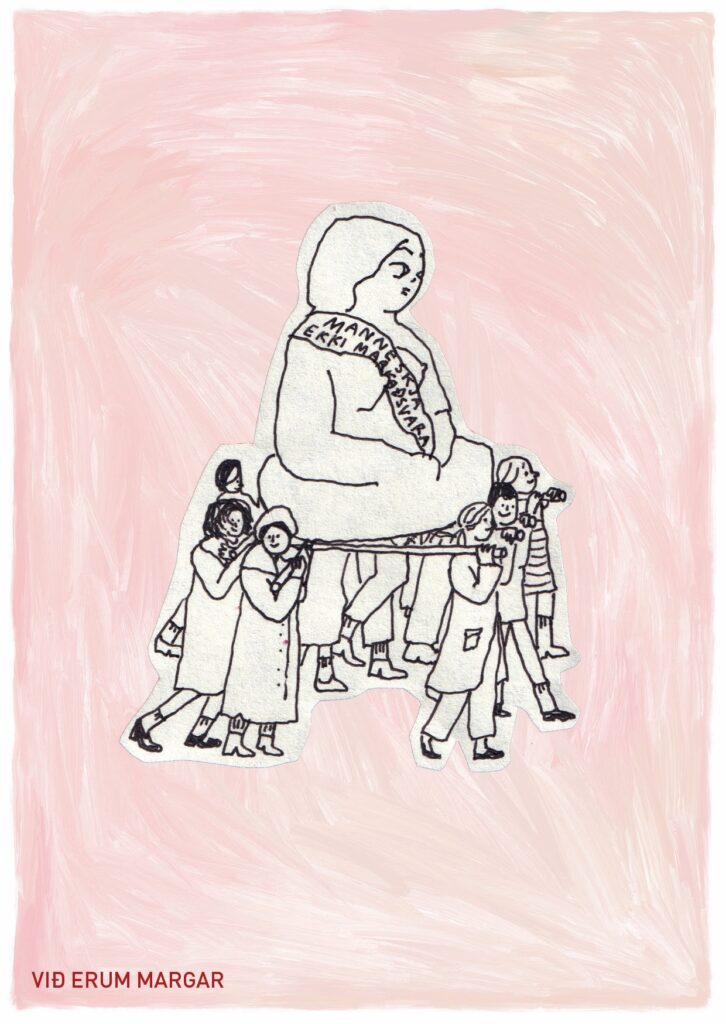
In 1871, women in Iceland founded their first association: the Women’s Association of the Rípurhreppur district in Skagafjörður, north Iceland. Before the founding of this association, women in the district had met and held meetings to discuss their interests and thoughts, such as the education of women and cleanliness in the home.
Subsequently, Icelandic women have founded groups around all kinds of issues: charities, Christian and abstinence clubs, women’s rights groups and unions, professional associations and political parties, hobby and sports clubs. Some of these groups are small and local, while others are large national federations. The women in these groups have often disagreed within their own associations and have debated policies and directions: women are not a homogeneous group and various other issues other than gender mark their lives, ideas and opinions. These groups have nevertheless been a place of solidarity and powerful cooperation in trying times.
Women’s Associations
Women’s Associations are local groups which women in most towns, rural areas and parishes have founded through the years. They frequently work towards progressive causes for the areas by raising money for charity, organising courses and educational opportunities as well as encouraging the beautification and maintenance of the local environment. Smaller women’s associations often belong to regional or national federations such as the Women’s Association of Iceland and the Federation of Women in Reykjavík.

Charity Organisations

Charity- and humanitarian work has from the beginning been a common focus within Icelandic women’s organisations. Humanitarian work fitted well with the traditional ideas of women’s role as caring for the sick, the impoverished and helpless, and such charitable activities were crucial before the times of a fully developed public welfare system.
Hvítabandið
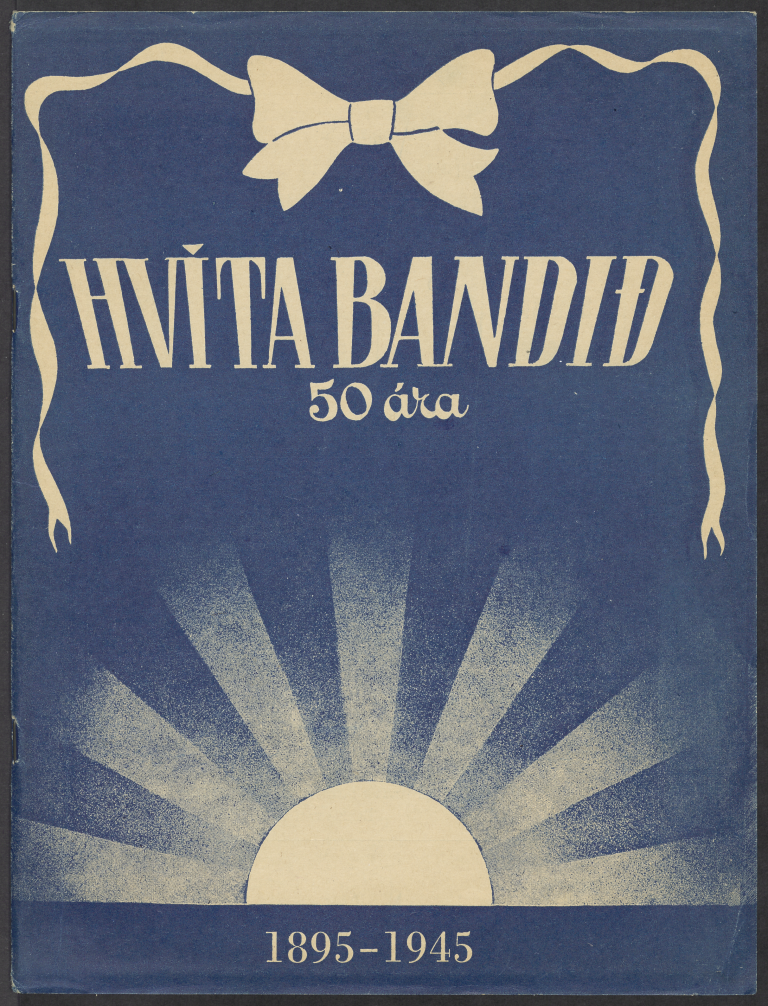
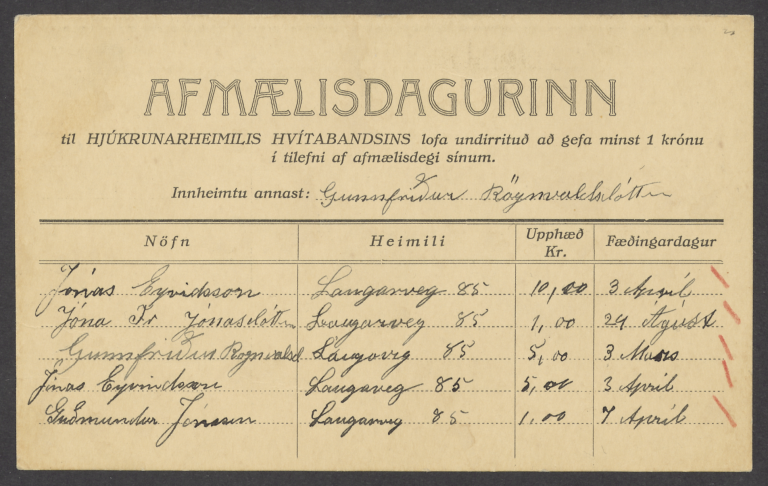
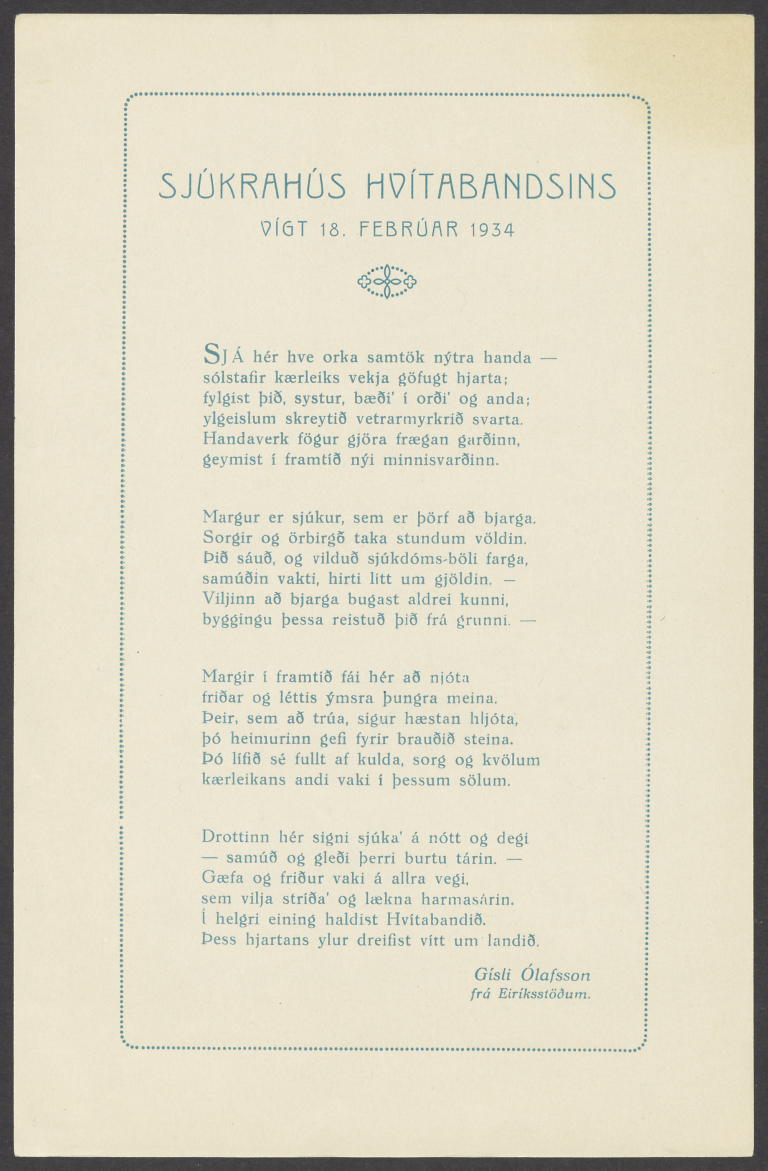
Hvítabandið was an association founded in 1895 as a Christian abstinence association for women but with time it placed increased emphasis on charity work. In 1934, the association built a hospital in Skólavörðustígur in the city center of Reykjavík and ran it for a decade until it was gifted to the city of Reykjavík, for both ownership and management. The work of charitable organisations was crucial before the time of a functioning, public welfare system.
Hringurinn Women’s Association
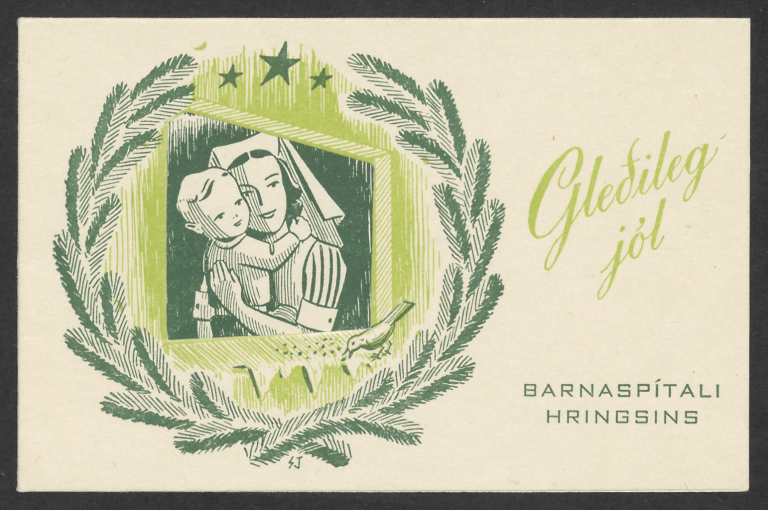
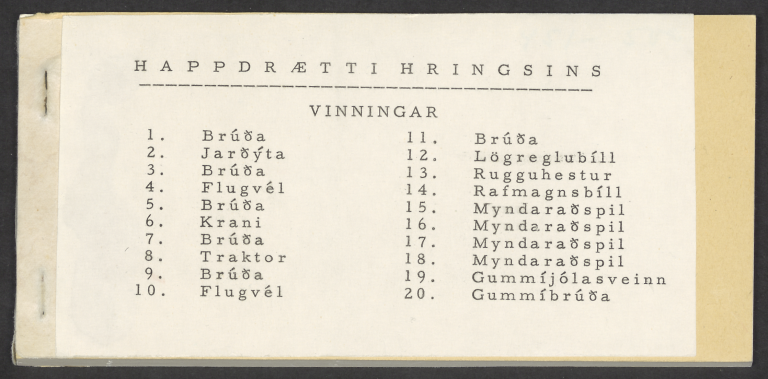
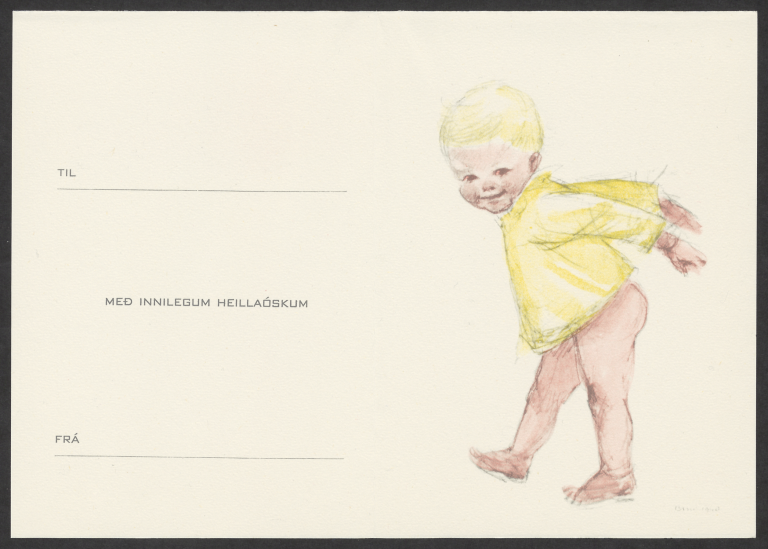
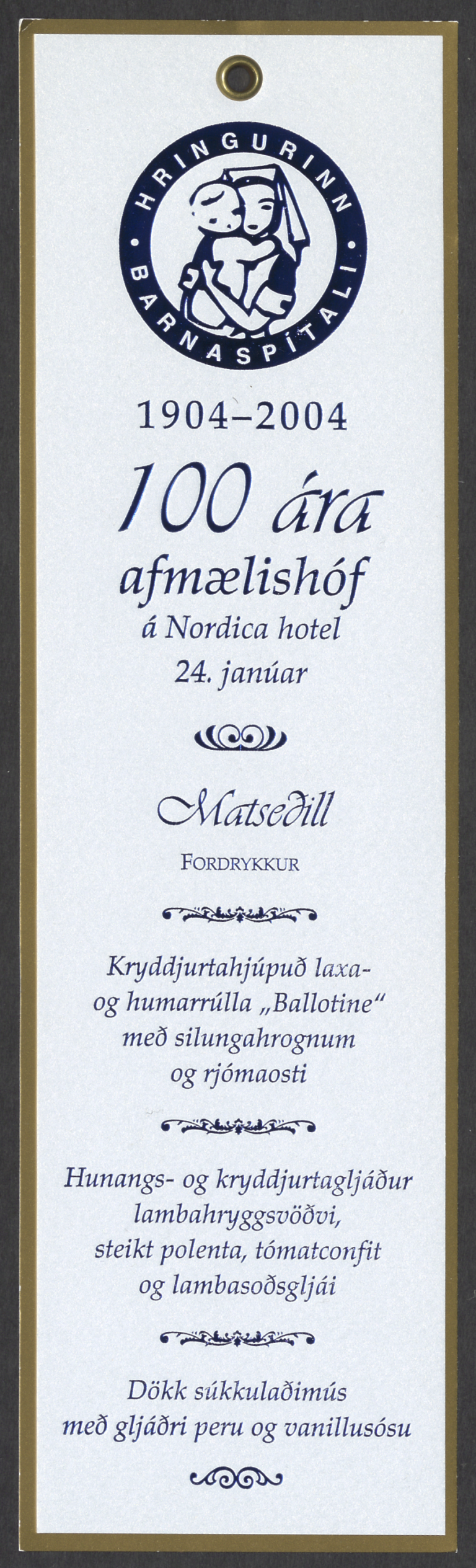

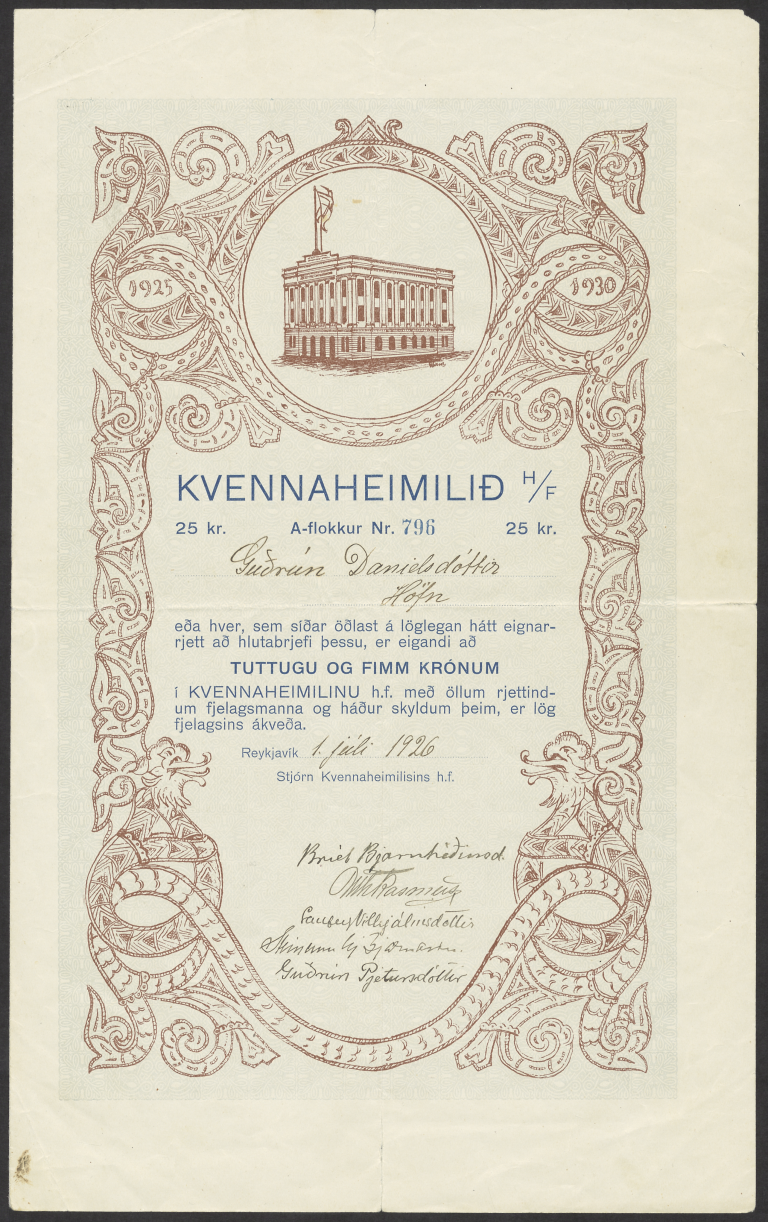
Hringurinn Women’s Association was founded in 1904 with the purpose of supporting people living in poverty with tuberculosis. The association built a convalescent home for tuberculosis patients in Kópavogur in 1926 which operated for a number of years. Later on, the women of Hringurinn dedicated their work to opening a children’s hospital in Reykjavík. With the support of Hringurinn, a children’s ward opened within the Landsspítali hospital in 1957. Eight years later this ward moved to a larger facility and with that, it gained its title: The Children’s Hospital of Hringurinn.
Landspítalasjóður National Hospital Fund
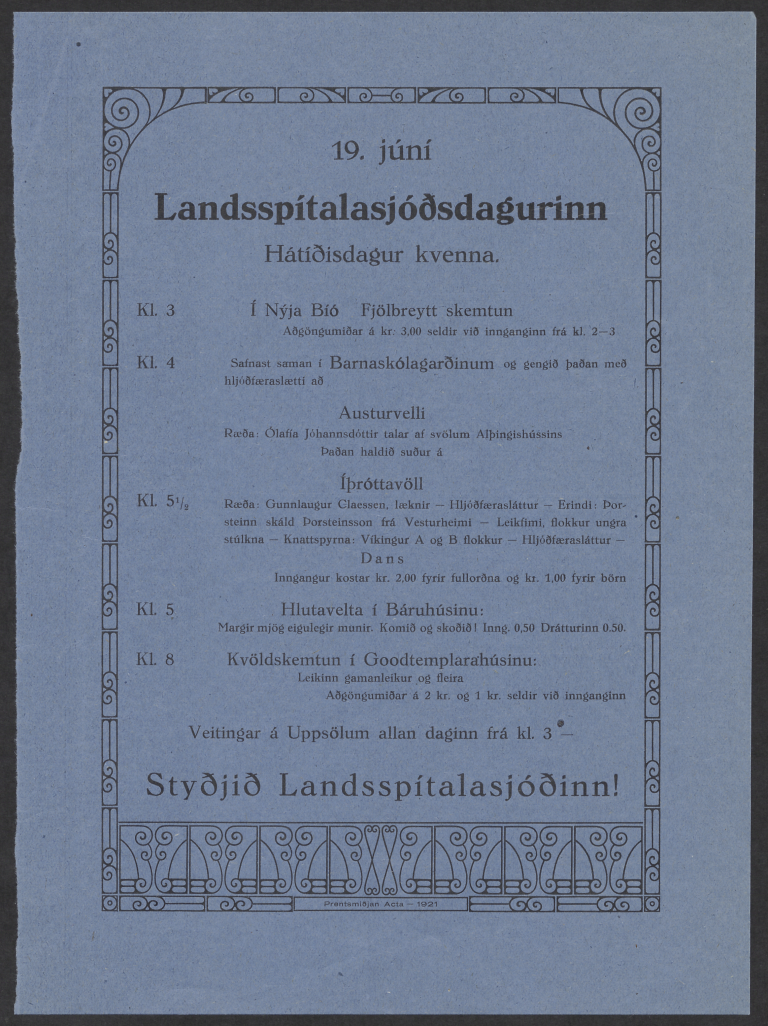
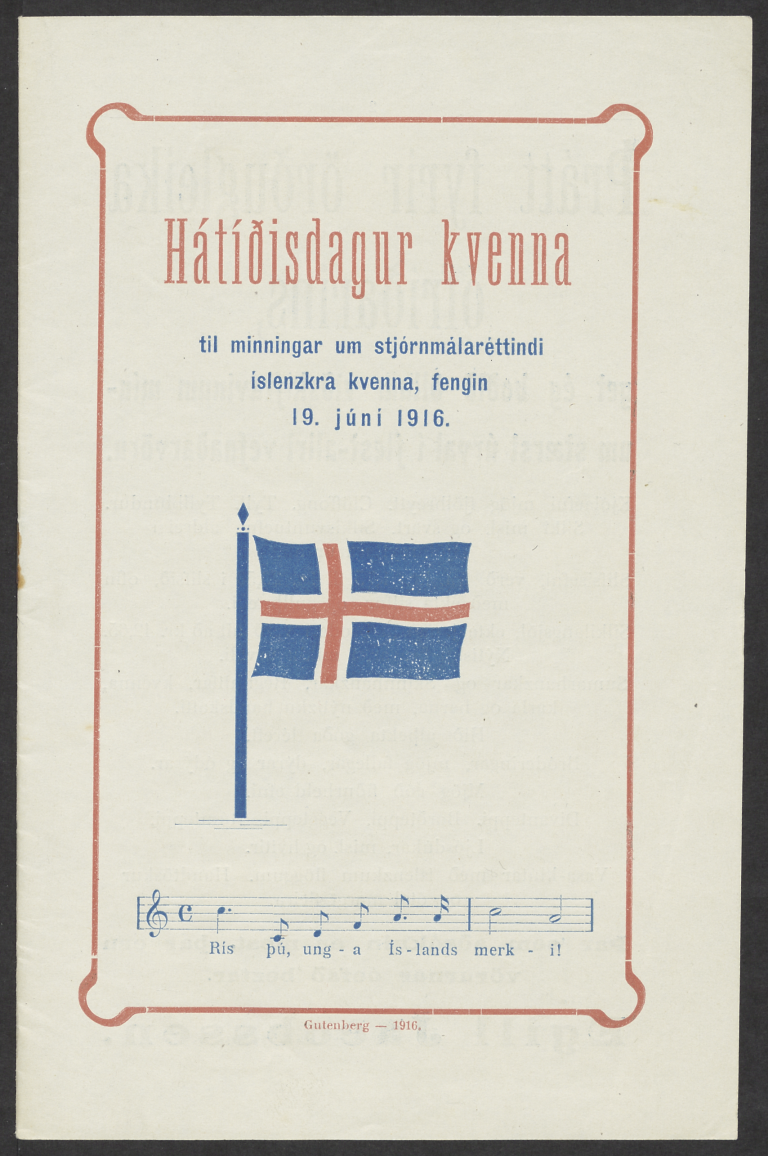
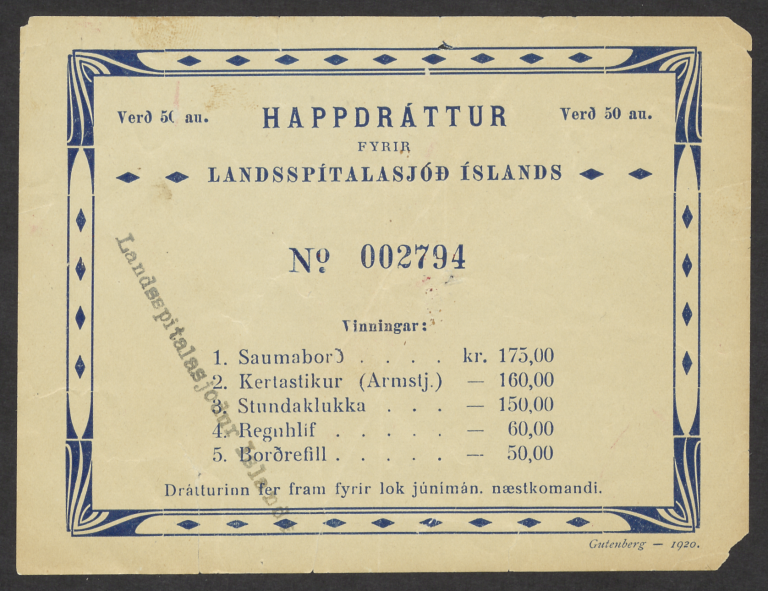
Landspítalasjóður National Hospital fund of Iceland was founded on the 19th of June 1916 by a number of women’s associations, with the aim to raise funds to build a National Hospital. By partaking in the work towards a long-desired goal of a new hospital, women wanted to show their gratitude for gaining the right to vote. Landspítalinn opened its doors for the first time in 1930 but it is estimated that women raised a third of the hospital’s construction costs.
Vigdís Finnbogadóttir’s Presidential Candidacy
Vigdís Finnbogadóttir’s candidacy to become the president of Iceland in 1980 was a collective effort of women and men across the country. Although Vigdís emphasised that she should not be voted for because she was a woman, many women dreamed of seeing one of their own gender as the head of state. Vigdís defeated three male candidates as she won the election and became the president of Iceland for sixteen years.
Women’s parties and lists
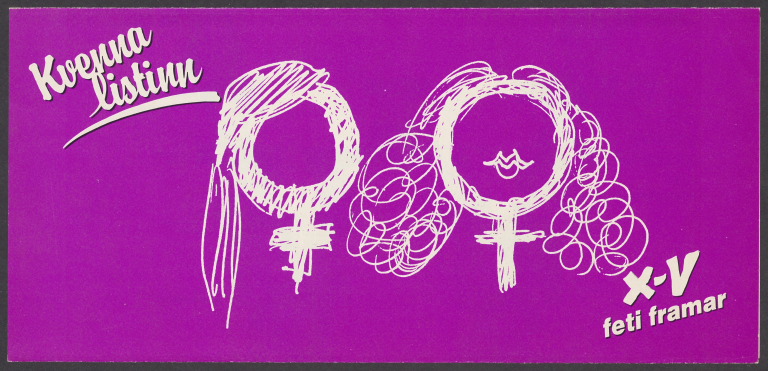
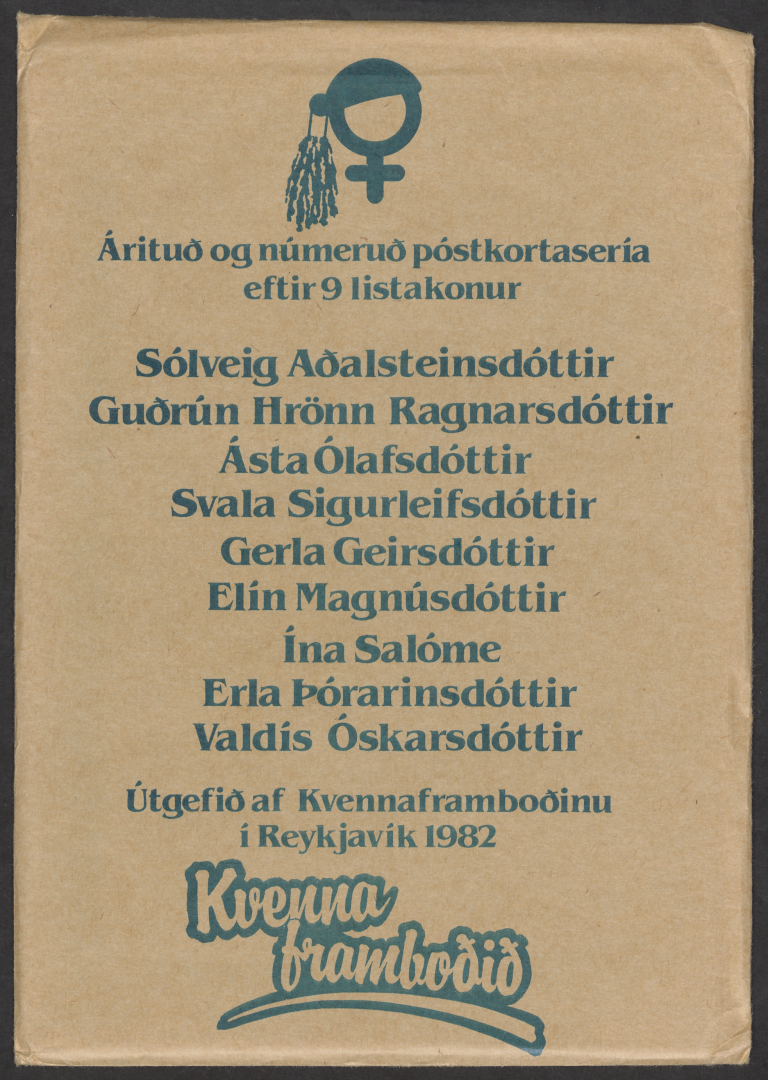
The Women’s Party ran for the Icelandic Parliament in 1922 but before that women in Reykjavík, in Akureyri and in Seyðisfjörður had organised women’s lists to run in local municipal elections with success. The Women’s Party won a large victory in the parliamentary elections of 1922, and the woman at the top of the list, Ingibjörg H. Bjarnason, became the first female member of the Icelandic Parliament. In the 1980s this was attempted again as women’s parties ran in the municipal elections in Reykjavík, in Akureyri in 1982 and the Women’s Party ran for Althingi a year later. The proportion of women among local council representatives then increased from 6% to 13% and from 5% to 15% among members of parliament. The Women’s Party was an active independent political movement up until the year 2000.

Professional and Trade Associations
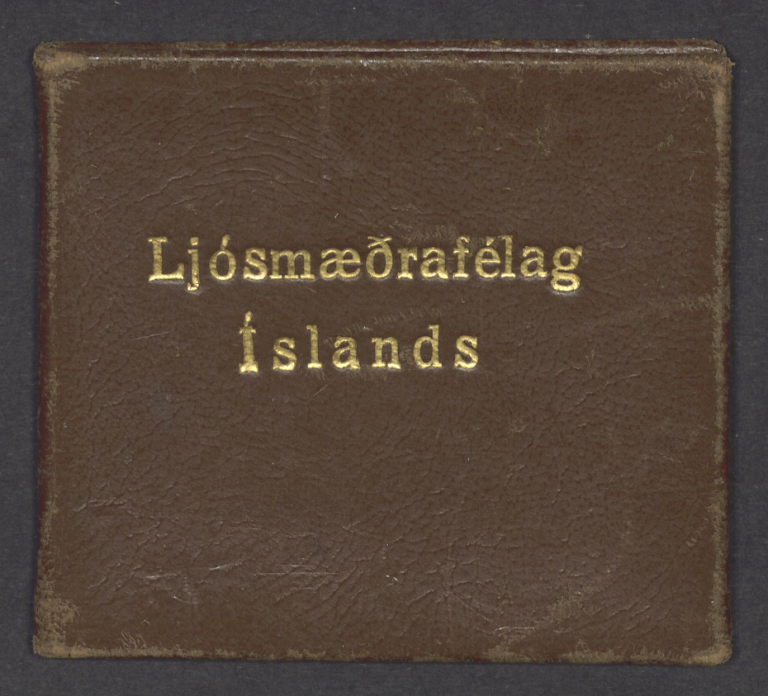
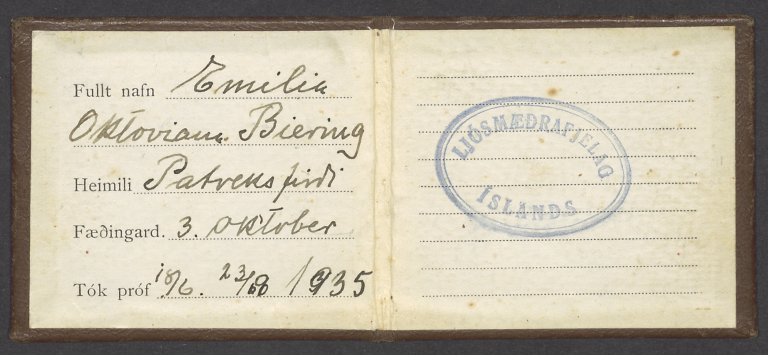
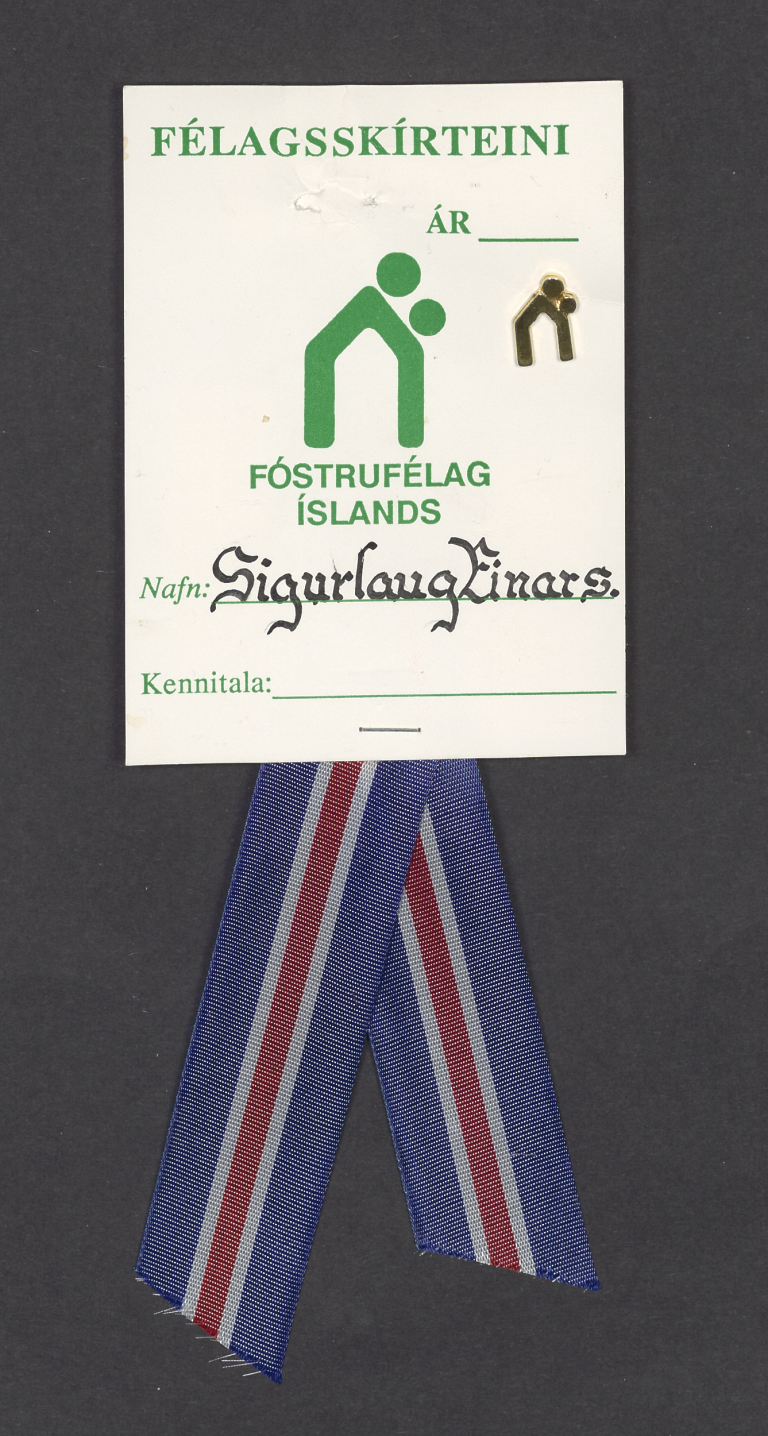
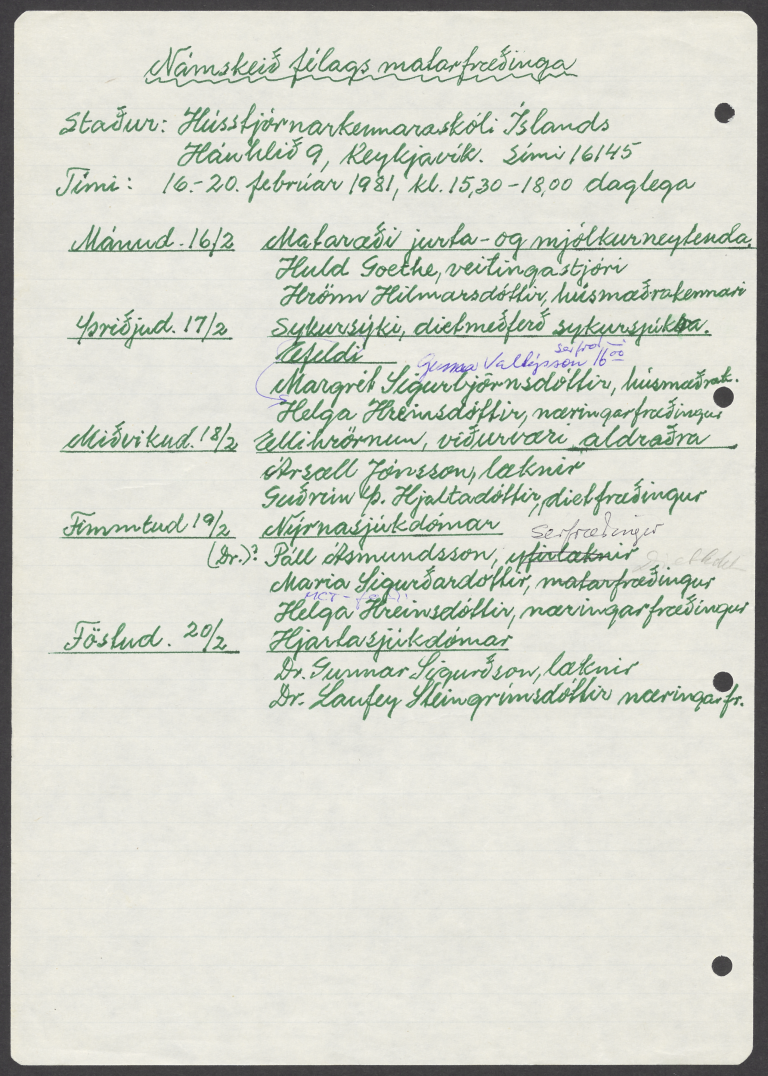
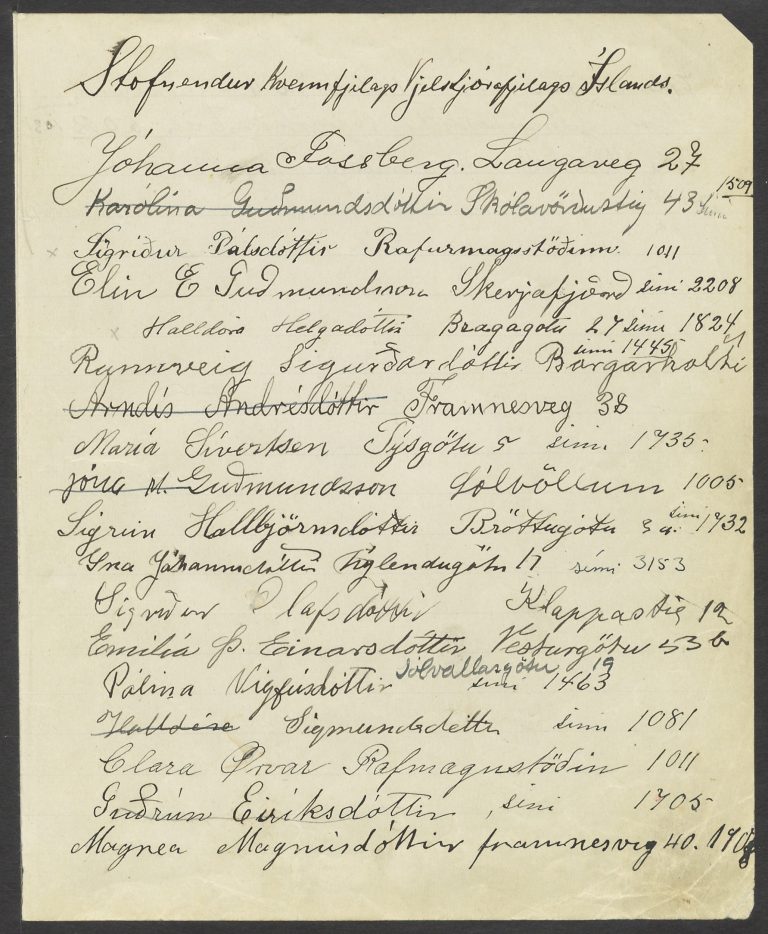
Women in different professions have founded associations to strengthen their cooperation and protect their interests. Some of these associations have negotiating rights and belong to larger trade unions, such as the Icelandic Midwives’ Association and the Icelandic Nursery School Teachers’ Association, which is now called the Association of Icelandic Preschool Teachers. Others focus on social activities and education, such as the Icelandic Association of Female University Students, which is now called the Association of University Women.
Wives’ Associations
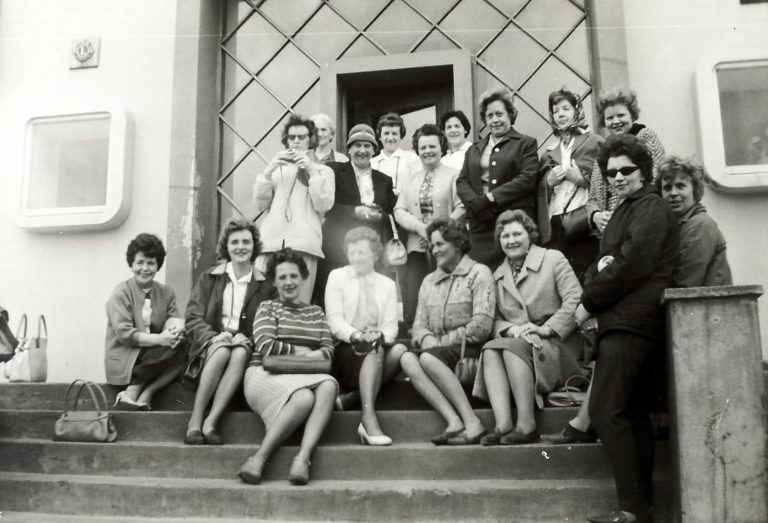
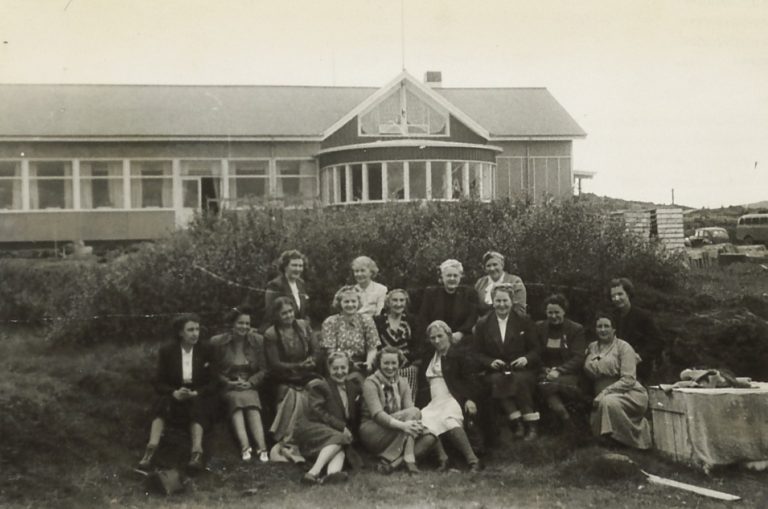
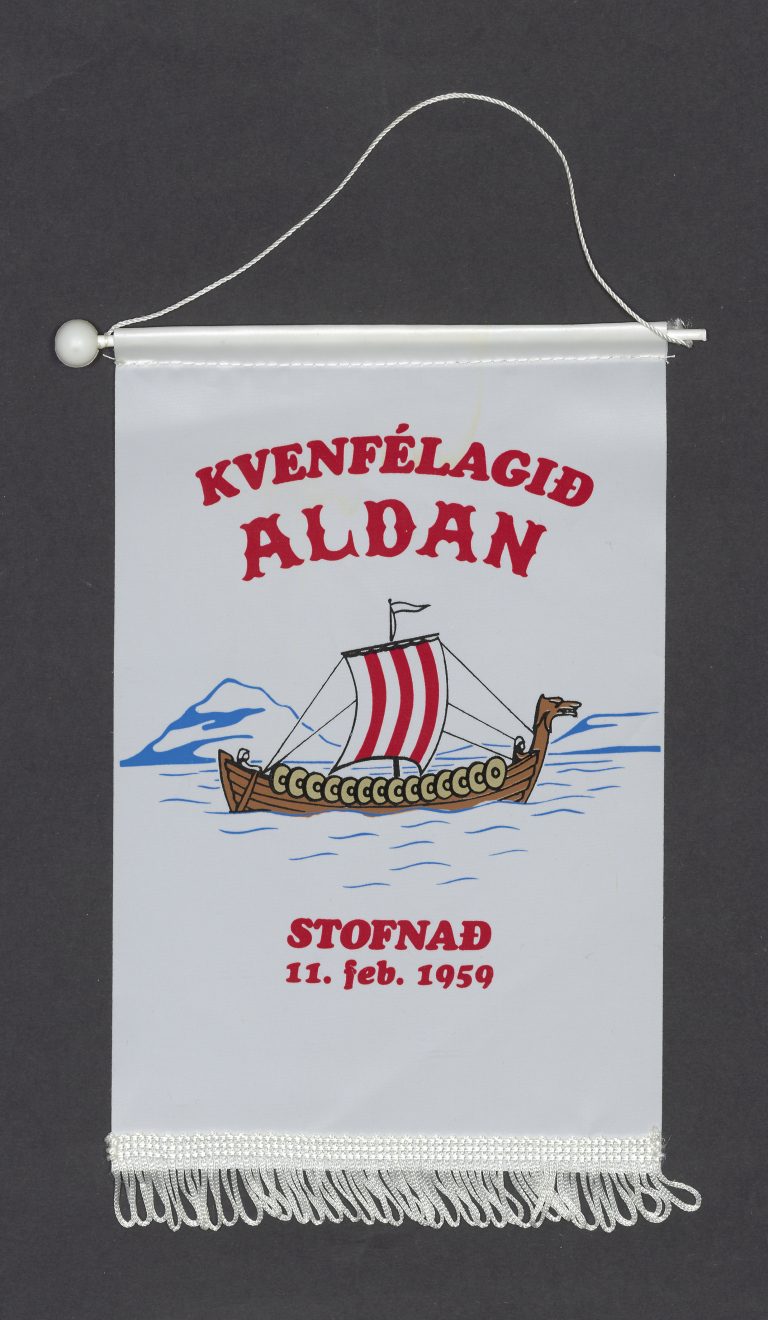
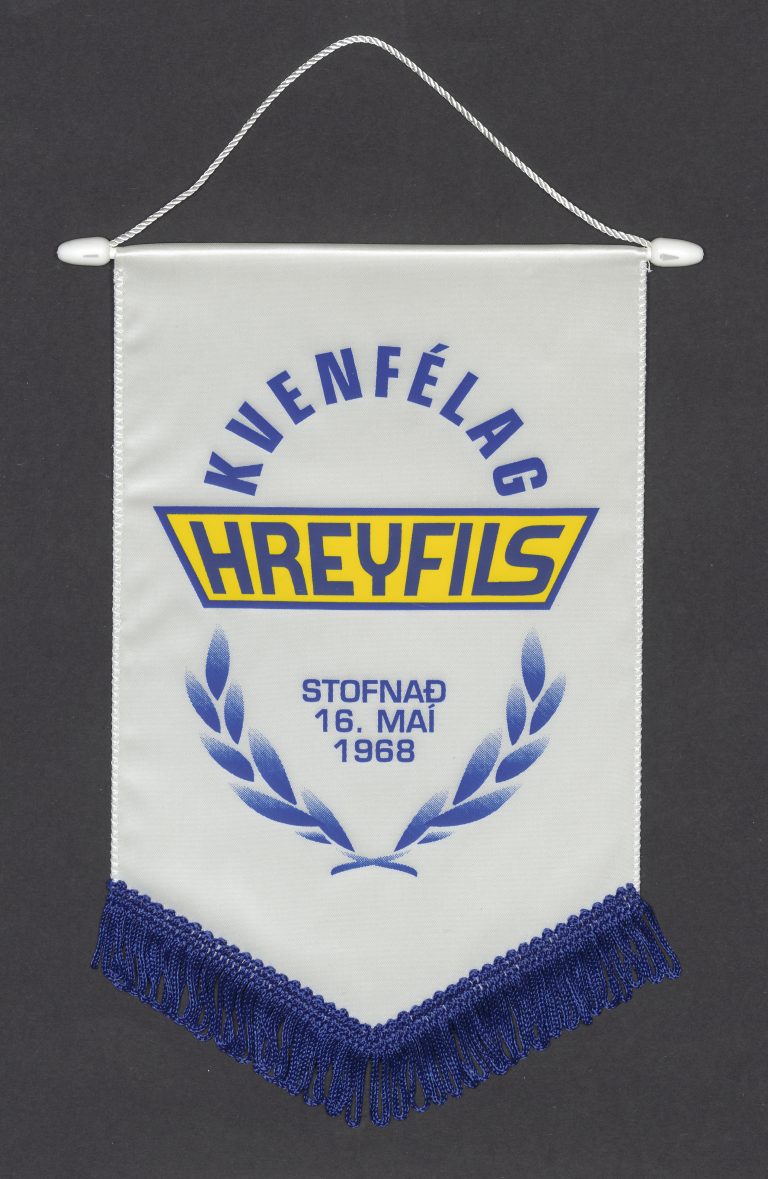
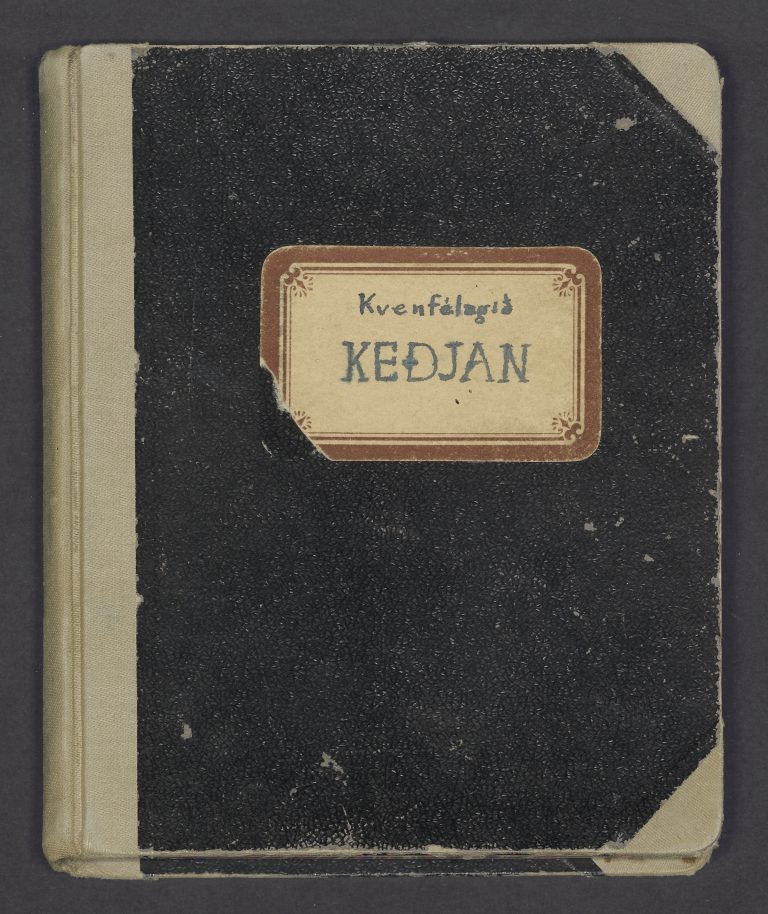
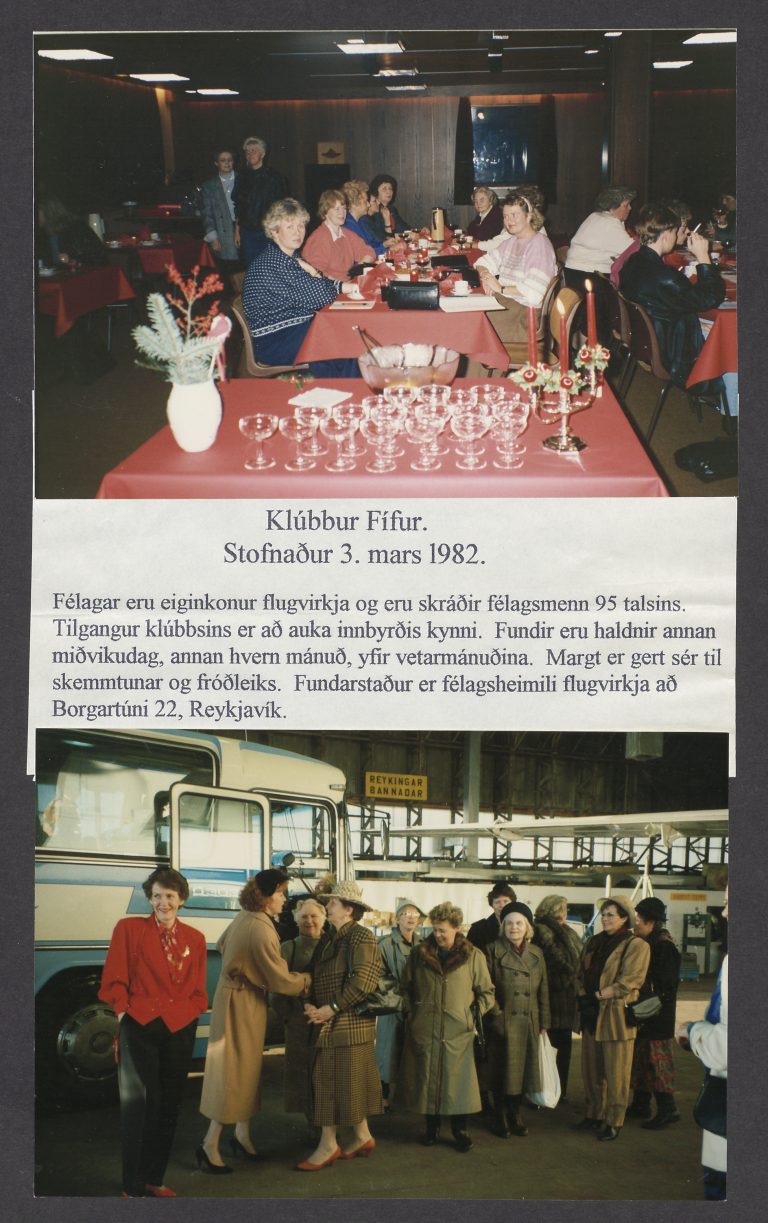
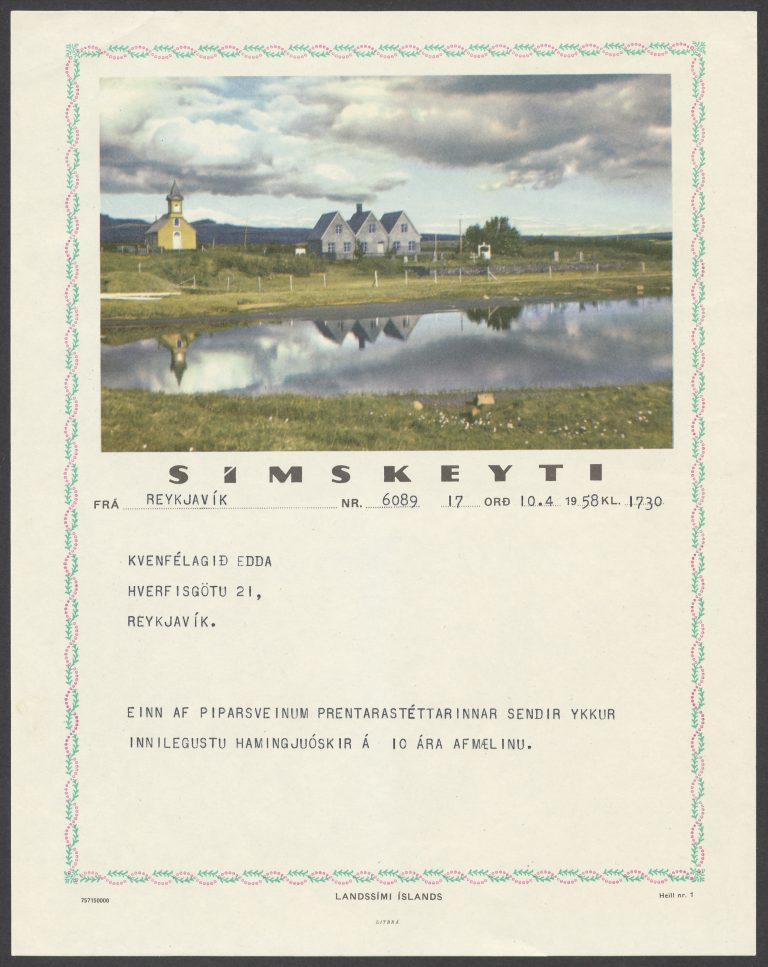
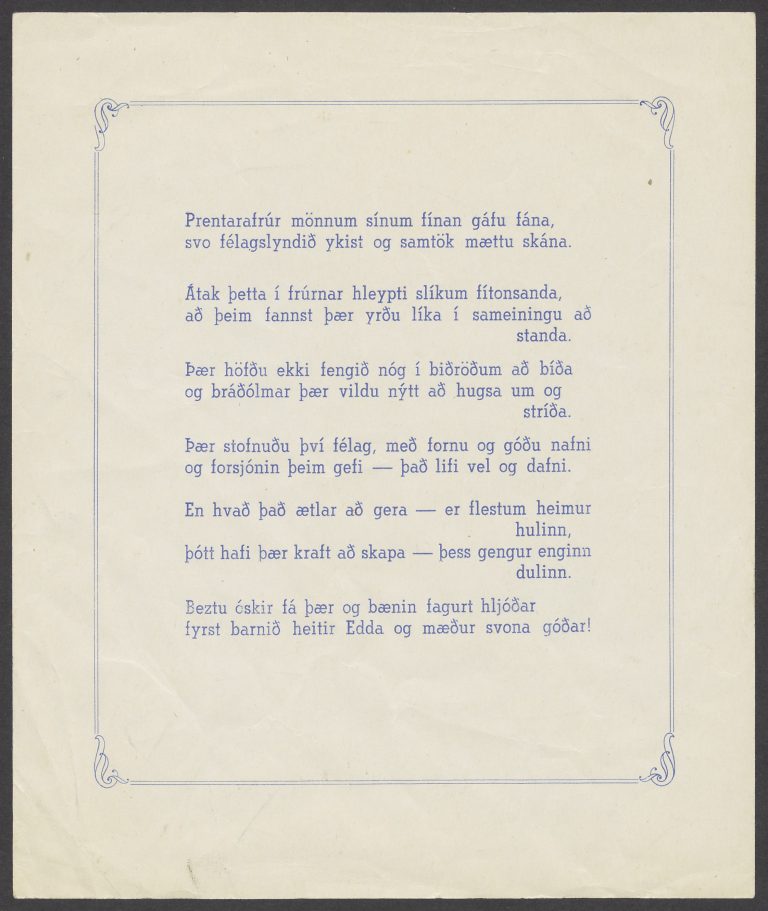
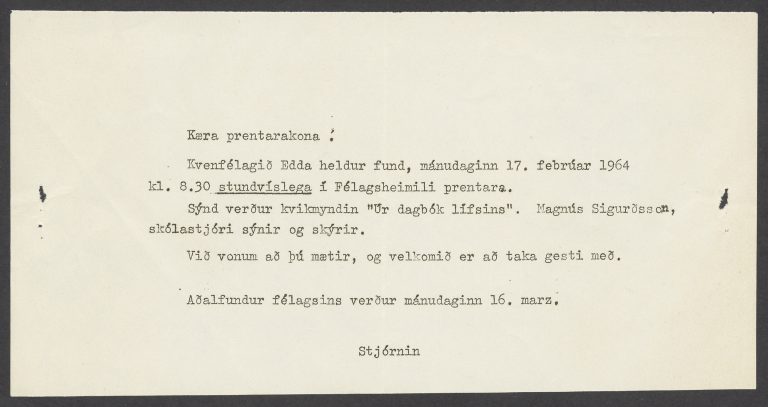
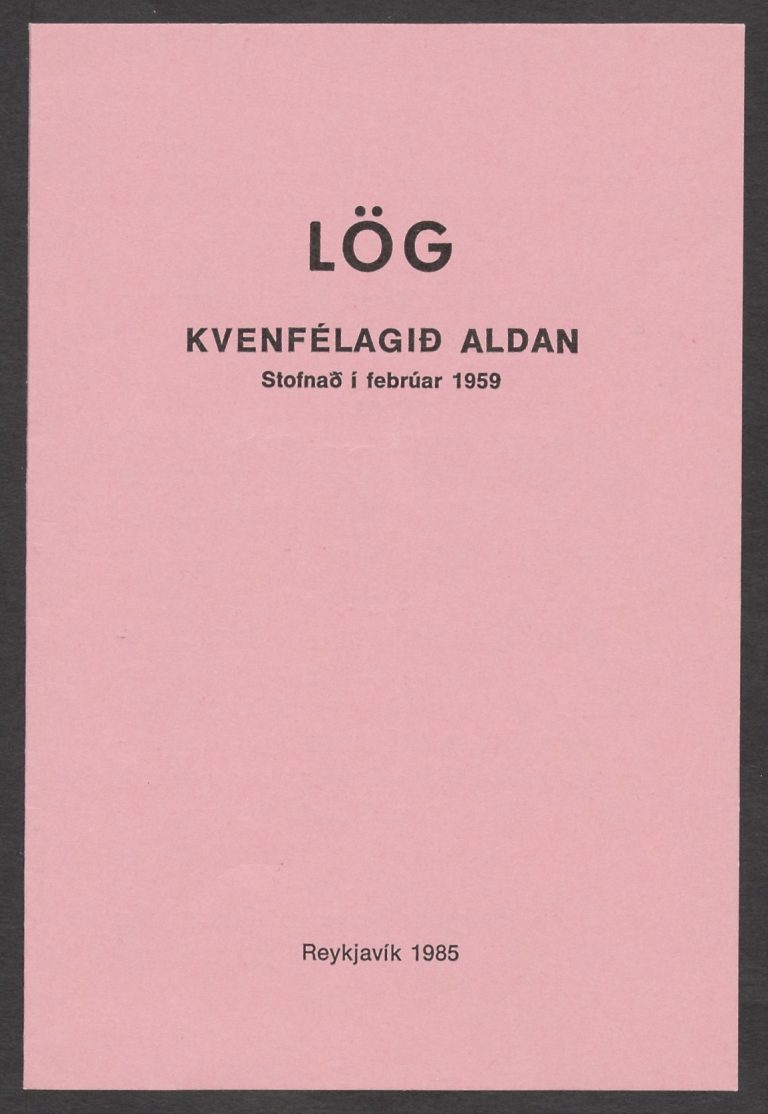
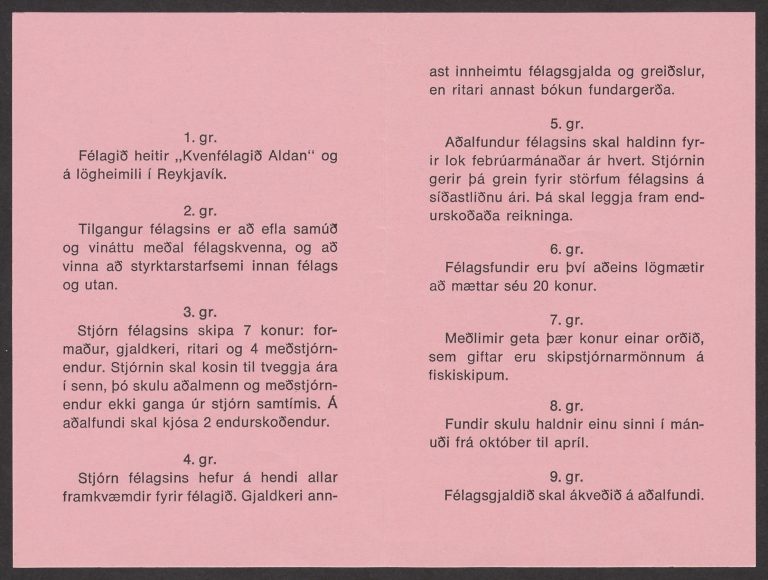
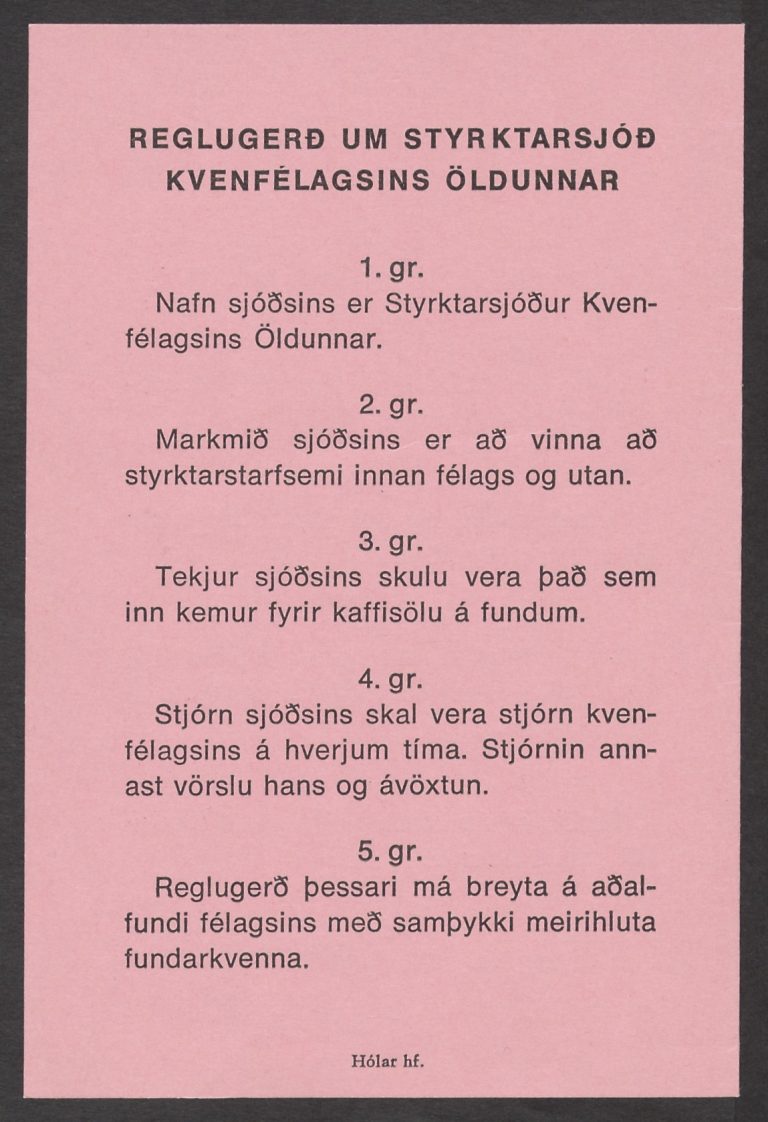
Women did not only found their own professional associations but also formed associations related to their husbands’ professions. The wives of taxi drivers at Hreyfill founded the Hreyfill Women’s Association to get to know each other better and to work on matters of interest to the drivers and their families. The wives of aircraft mechanics founded the club Fífur, the wives of engineers founded the women’s association Keðjan, the wives of captains founded the women’s association Öldan, and the wives of printers founded the women’s association Edda, which, among other things, played an important role in the activities of the printers’ community centre.

Women’s Houses
In downtown Reykjavík there have been multiple Women’s Houses, social, political and cultural centers, which women have founded and run together.
Hallveigarstaðir – Women’s House
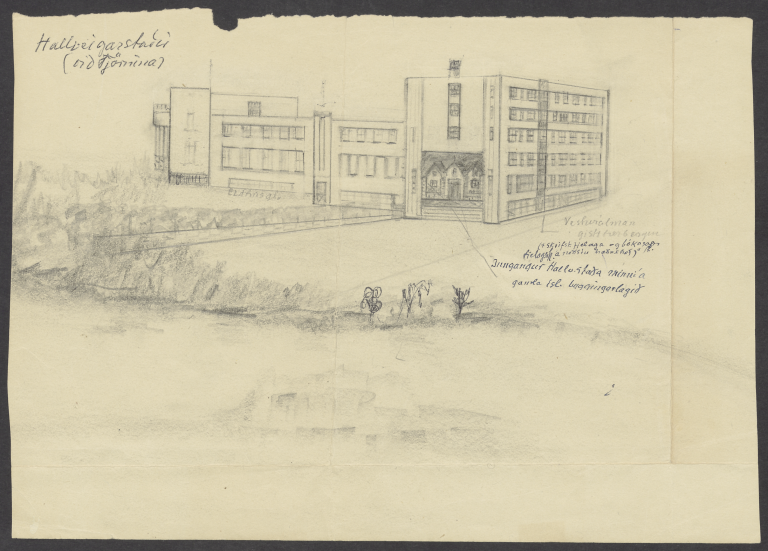
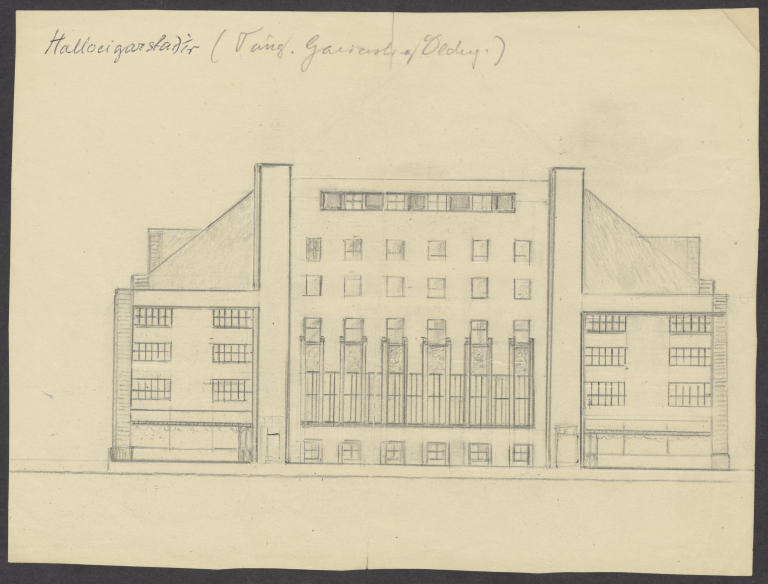
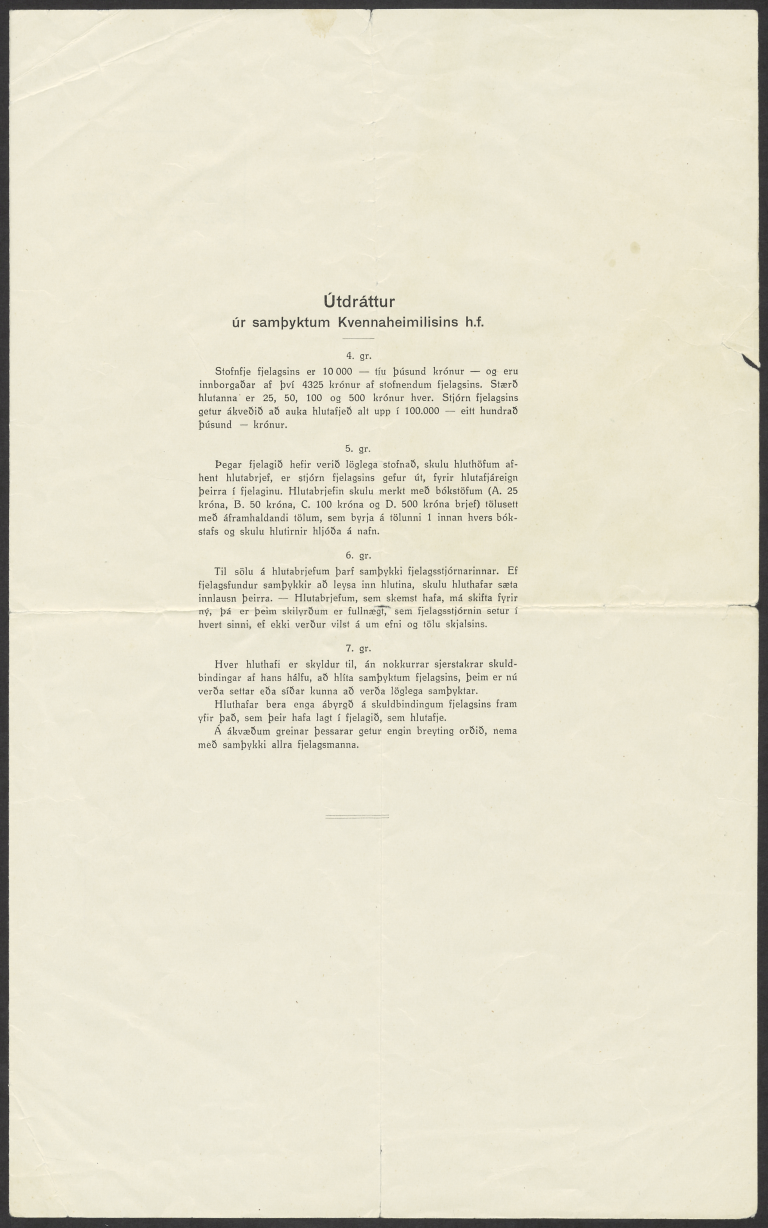
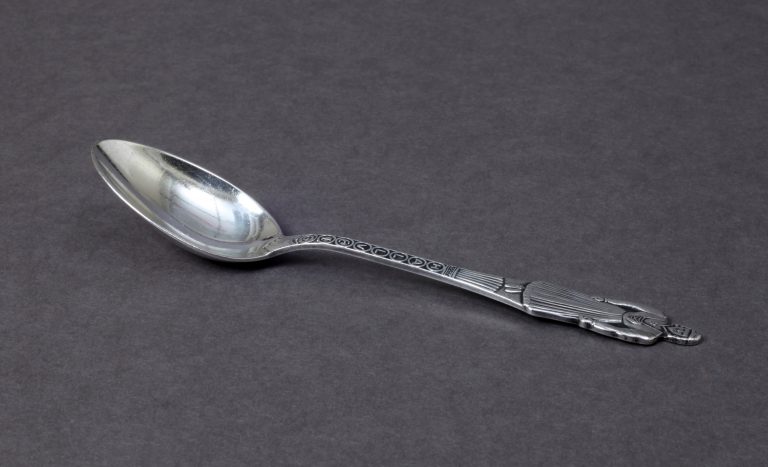
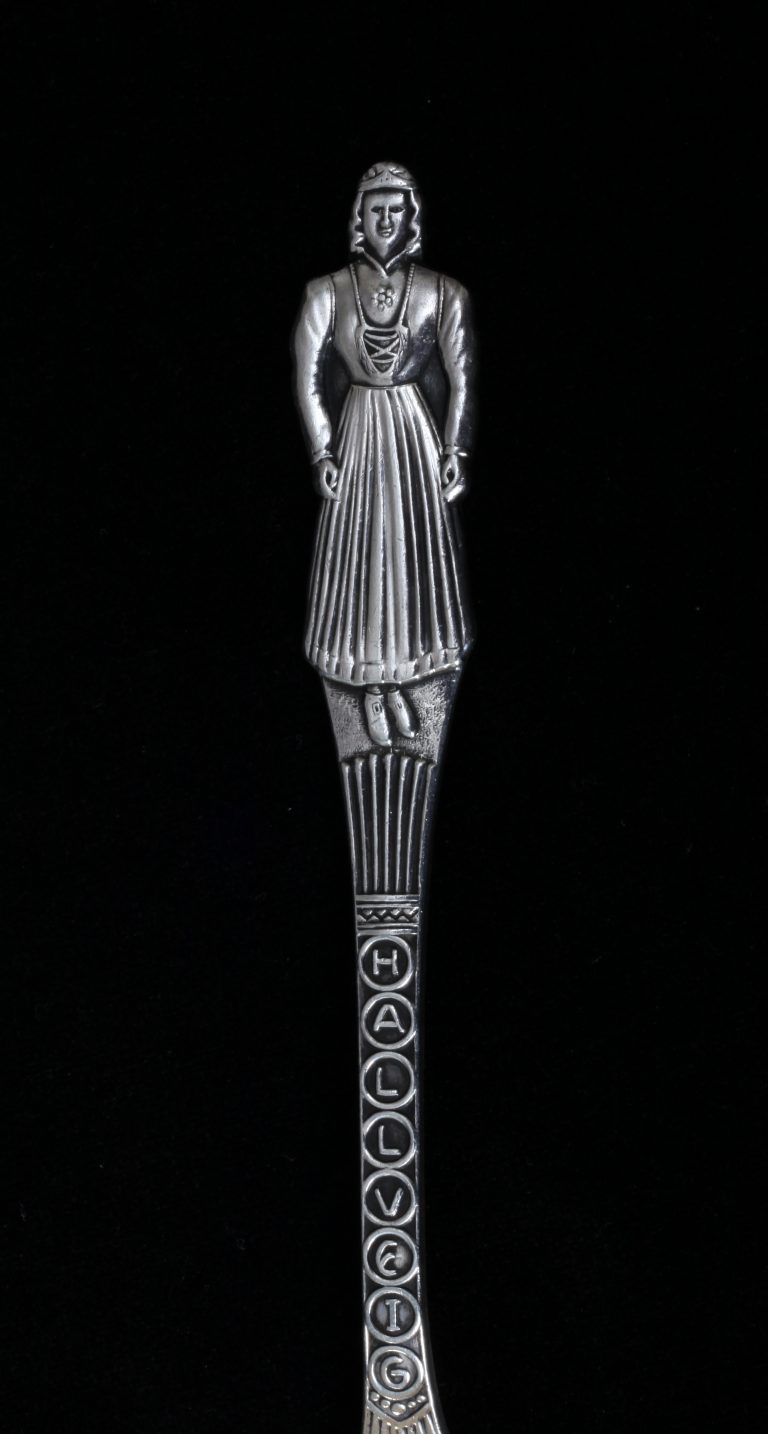
Hallveigarstaðir – Women’s House is owned by the Women’s Rights Association of Iceland, the Women’s Association of Iceland and the Federation of Women in Reykjavík and it houses more women’s organisations. The idea for the Women’s House emerged as early as the second decade of the 20th century, and was originally intended to be raised by Arnarhóll. A site was later chosen on the corner of Túngata and Garðastræti, and the building was inaugurated there in 1967. The building is named after the first female settler, Hallveig Fróðadóttir.
Hotel Vík
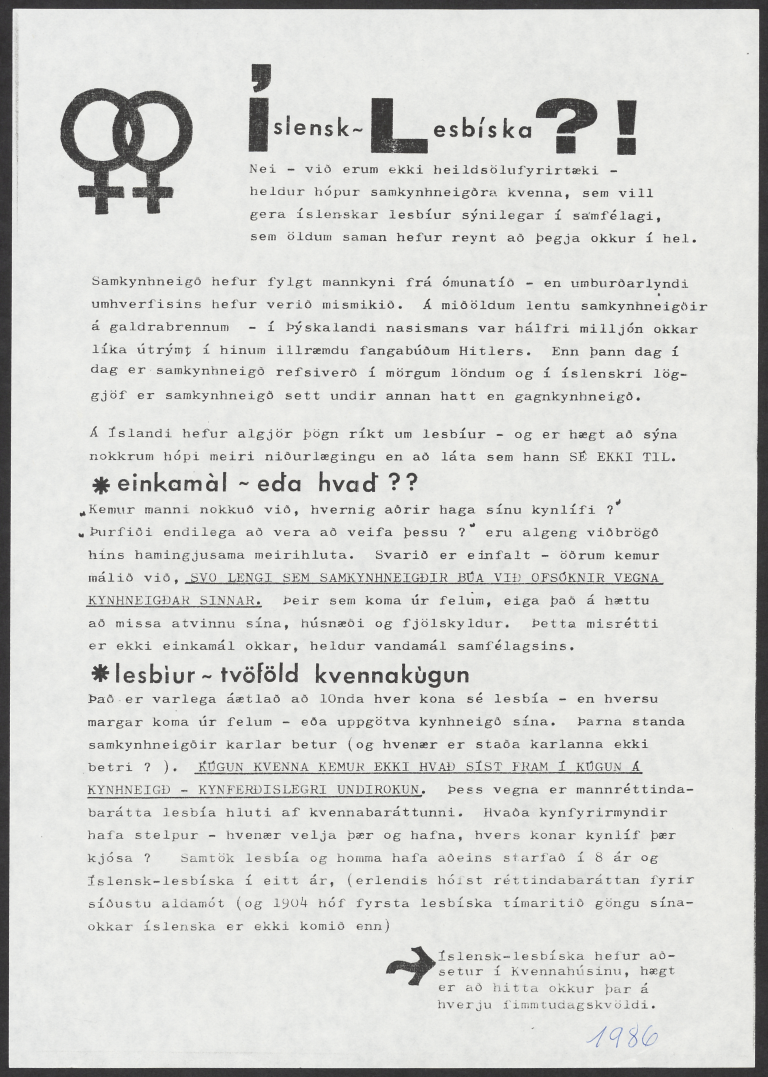
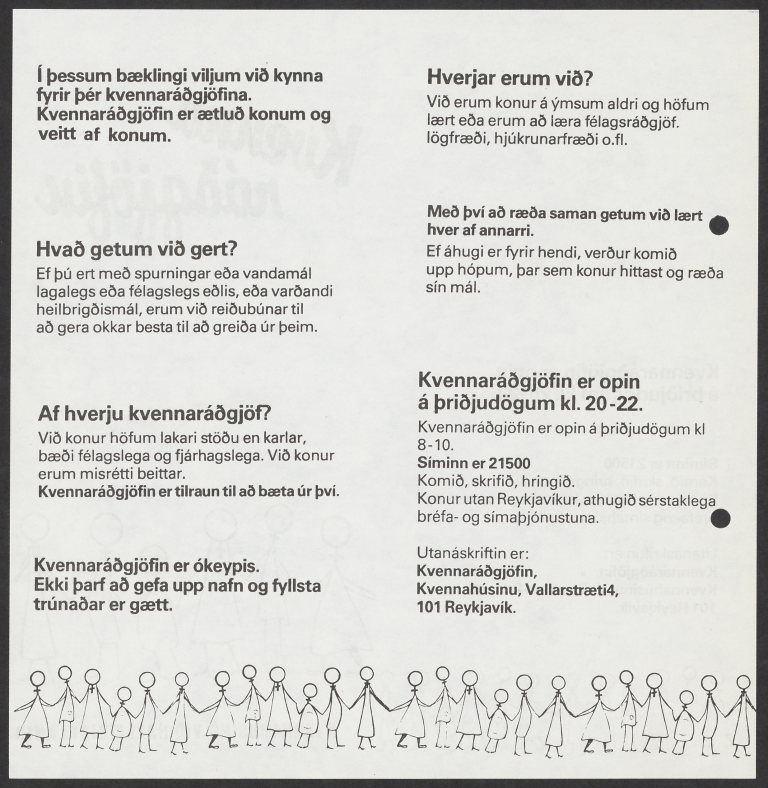
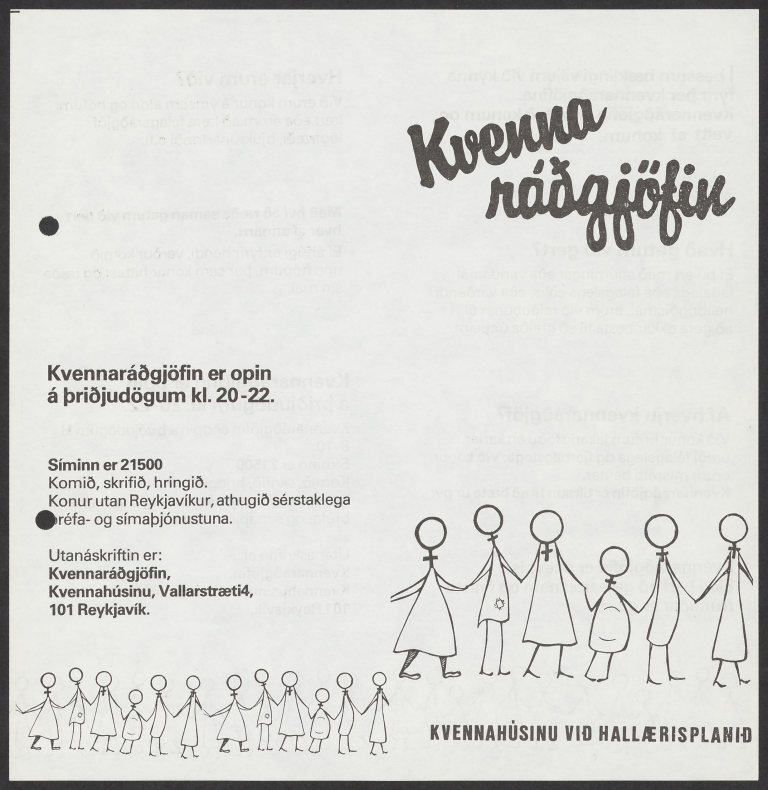
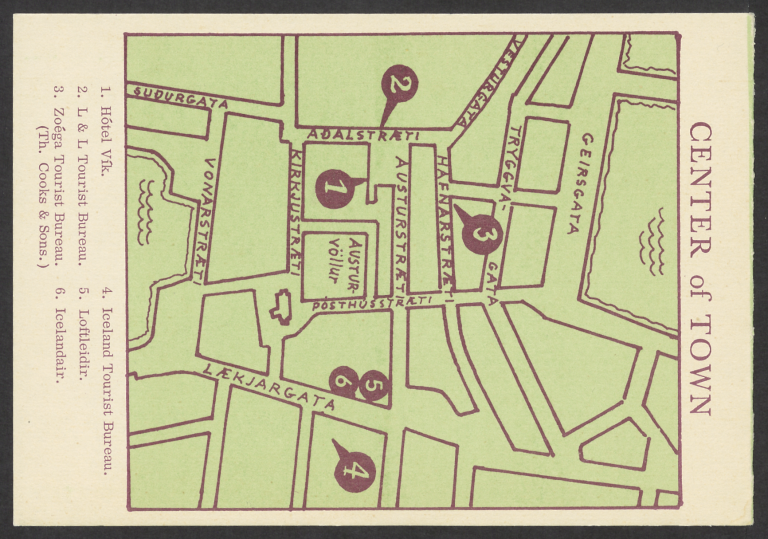
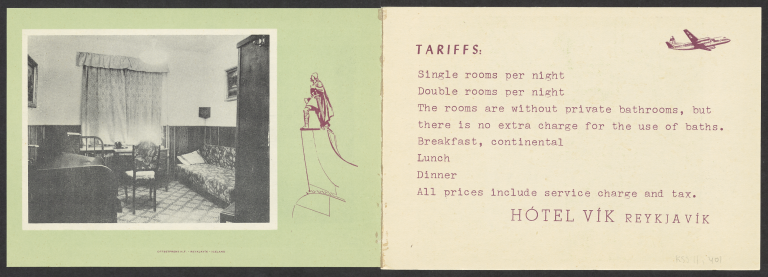
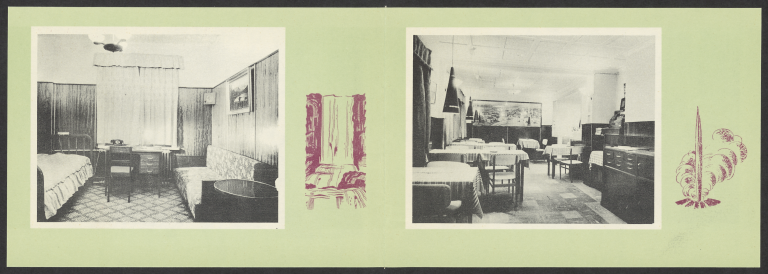
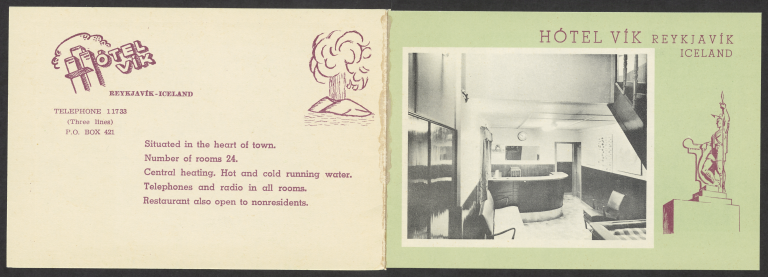
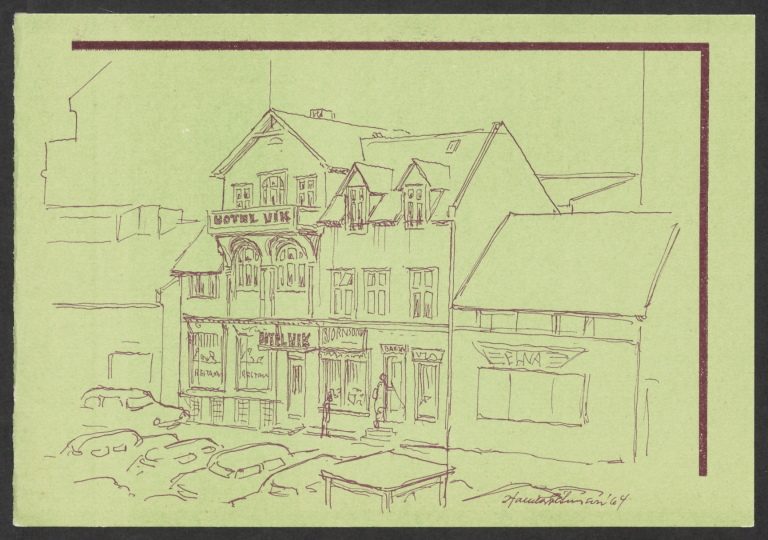
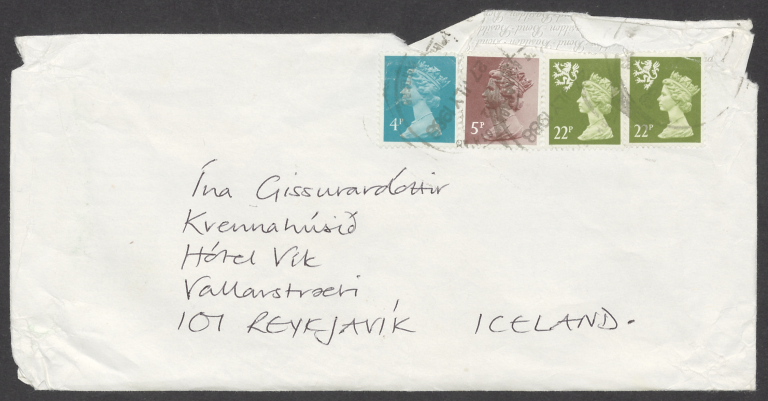
Hotel Vík is a house by Vallarstræti in Reykjavík, and housed various women’s organisations in the 1980s. It housed organisations such as the Women’s list of Reykjavík, The Women’s Party, The Women’s Counselling Services, the Association of Women in the Worklife, The Culture- and Peace Association of Icelandic women and the Icelandic-Lesbian organisation.
Hlaðvarpinn
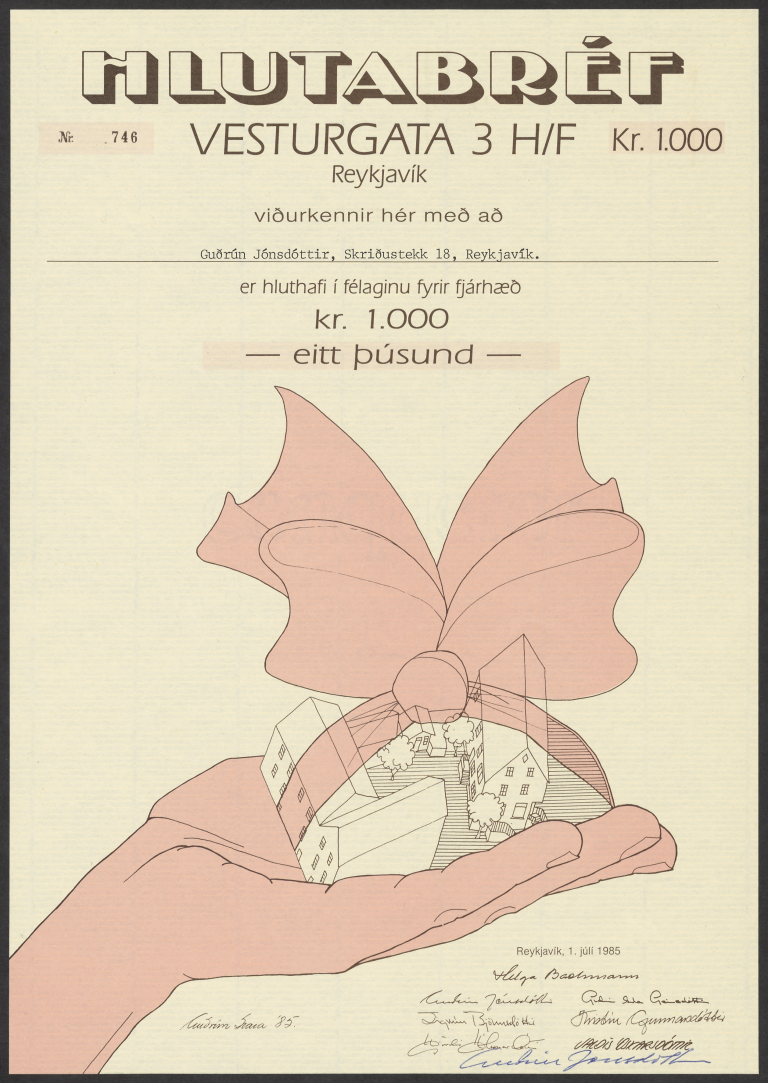
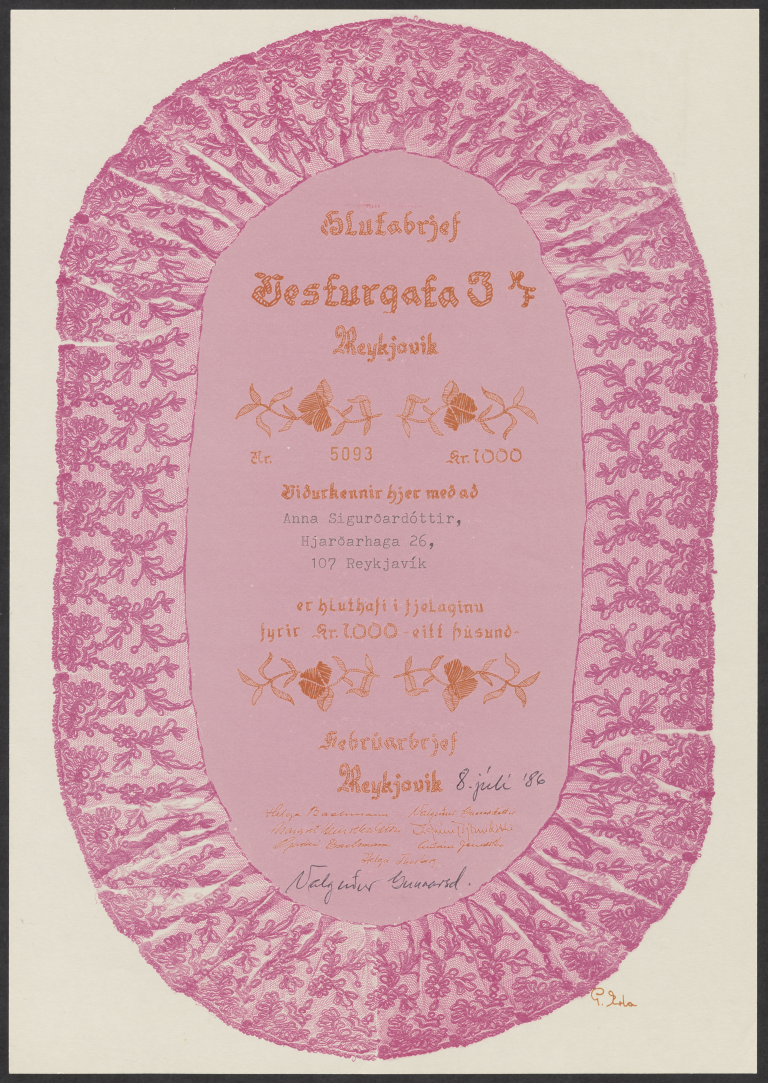
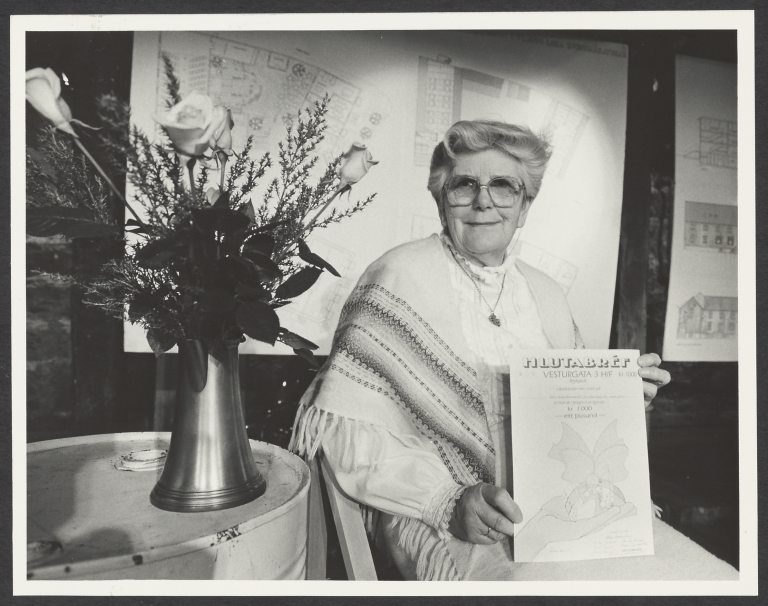
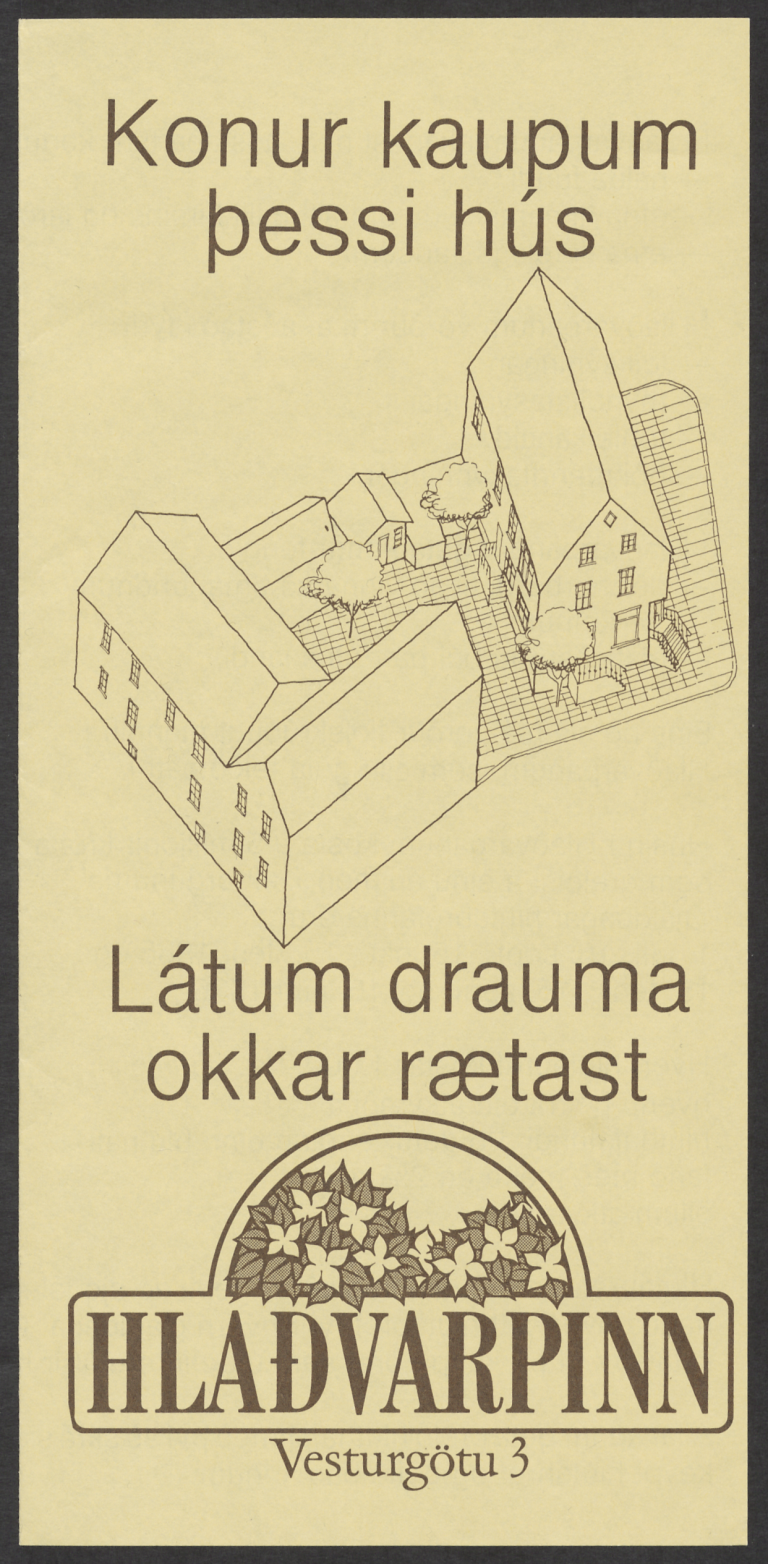
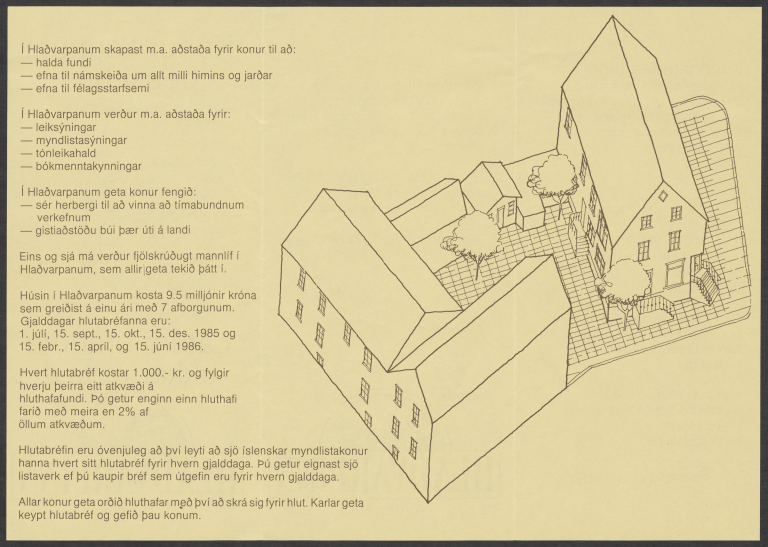
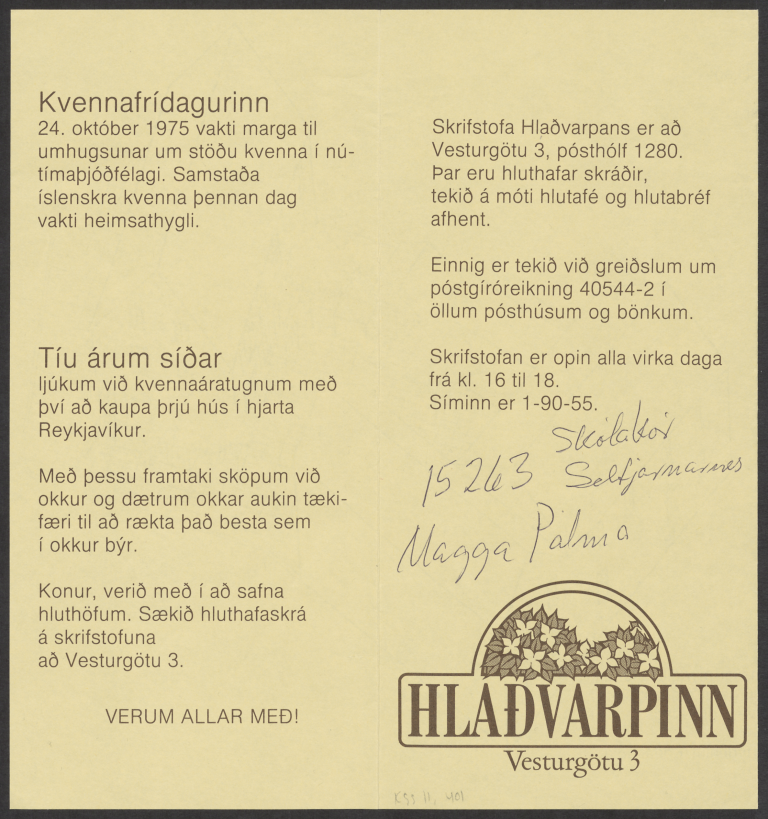

Hlaðvarpinn was a house by Vesturgata 3 in Reykjavík and functioned as a Women’s Cultural House from the mid 1980s. A wide range of cultural activities took place there, including plays and art exhibitions, but women’s organisations like the Women’s Counselling Service, the Women’s Shelter and Stígamót also operated in the building. After the turn of the millennium in 2000, Hlaðvarpinn was sold and the proceeds were put into a fund that supported women’s cultural project
Gallery Langbrók
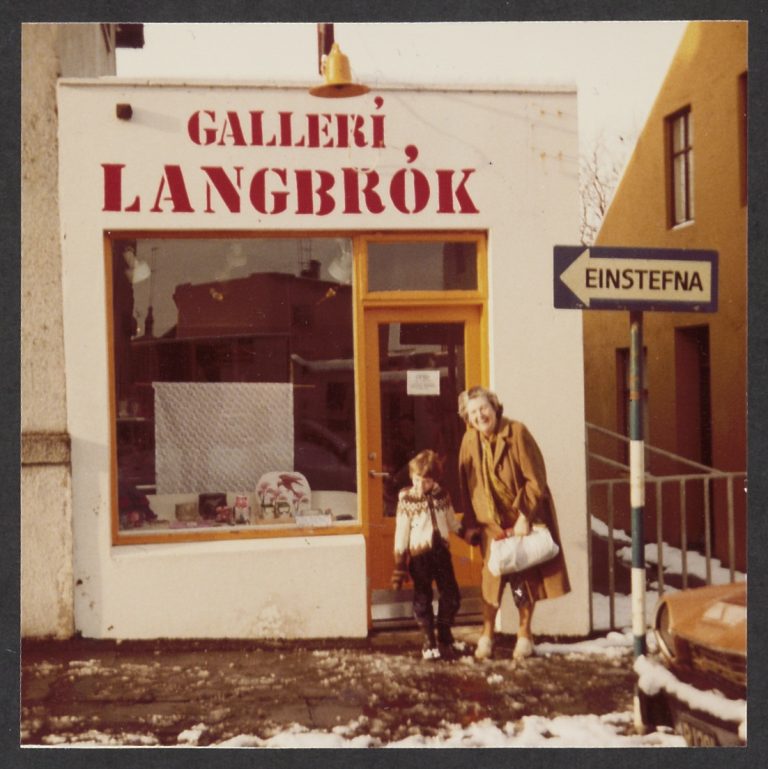
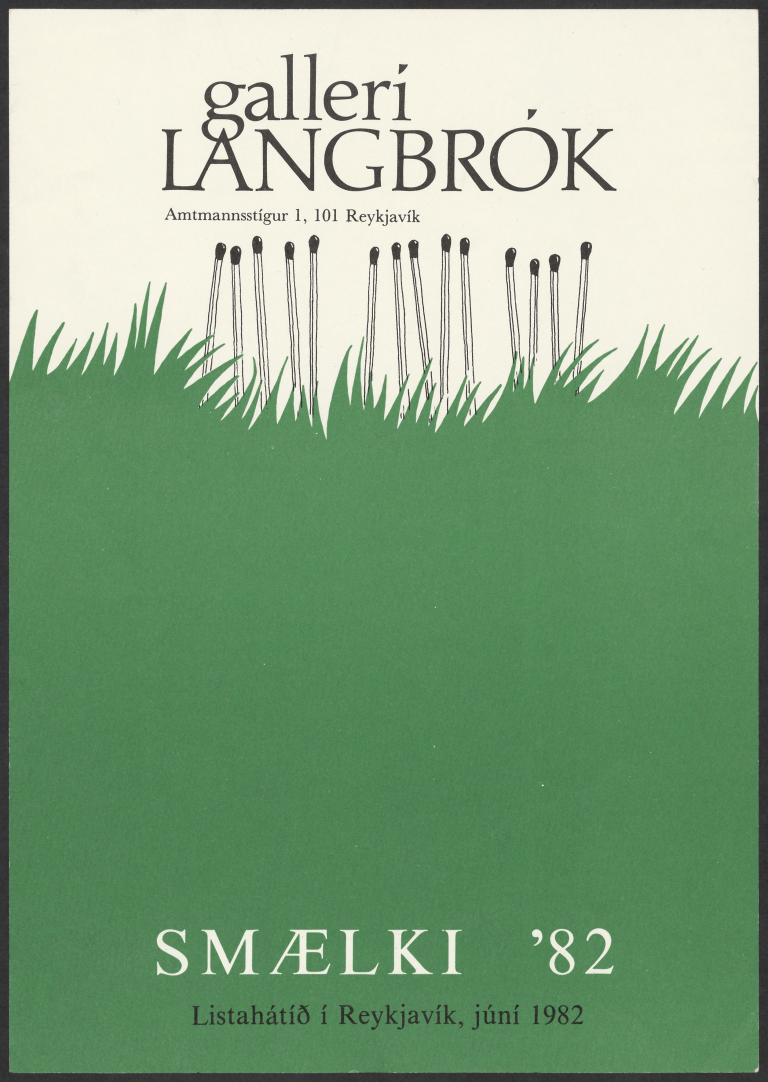
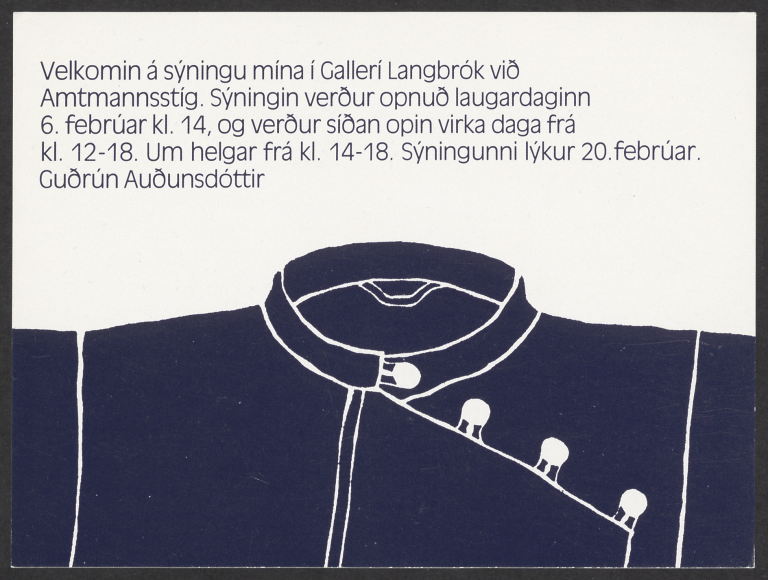
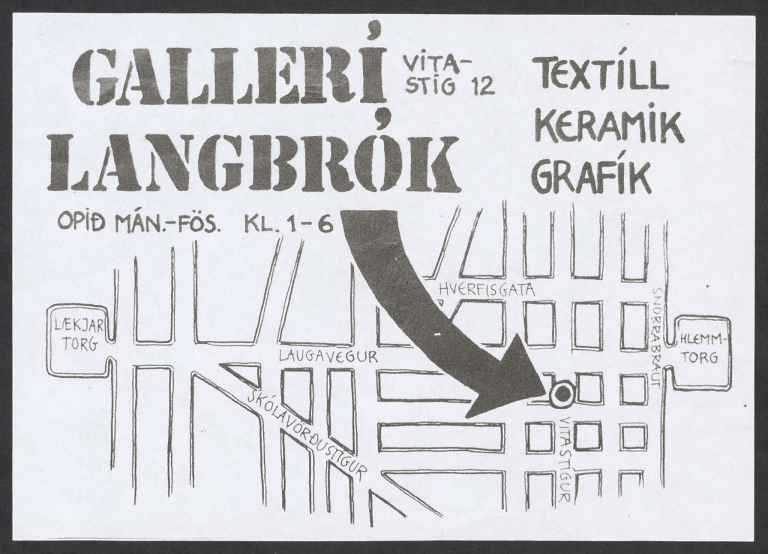
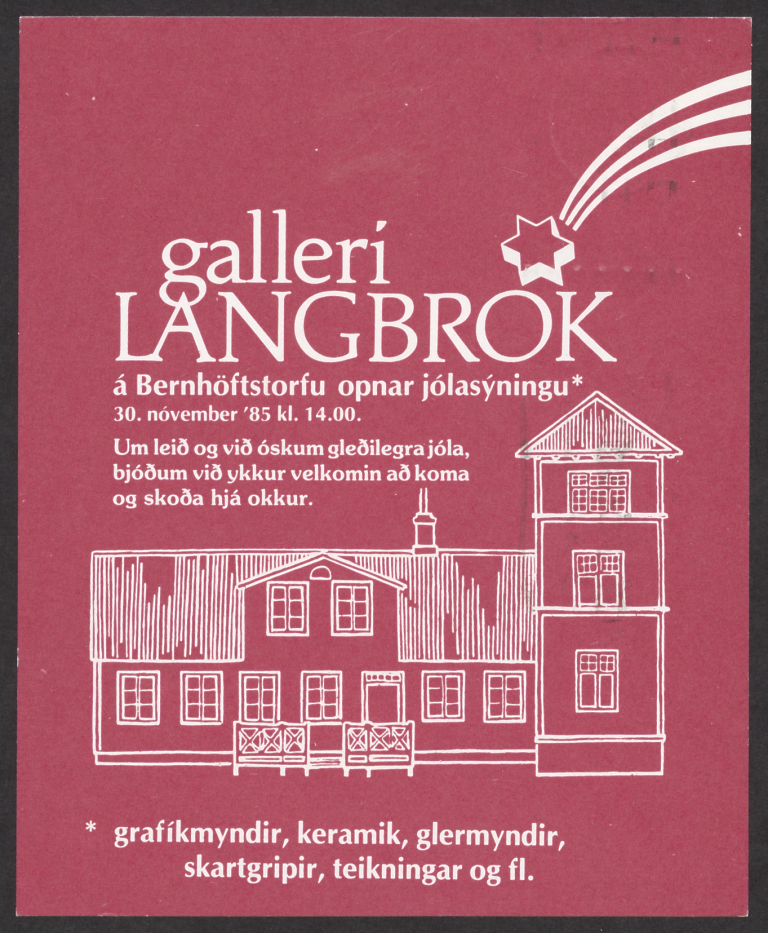
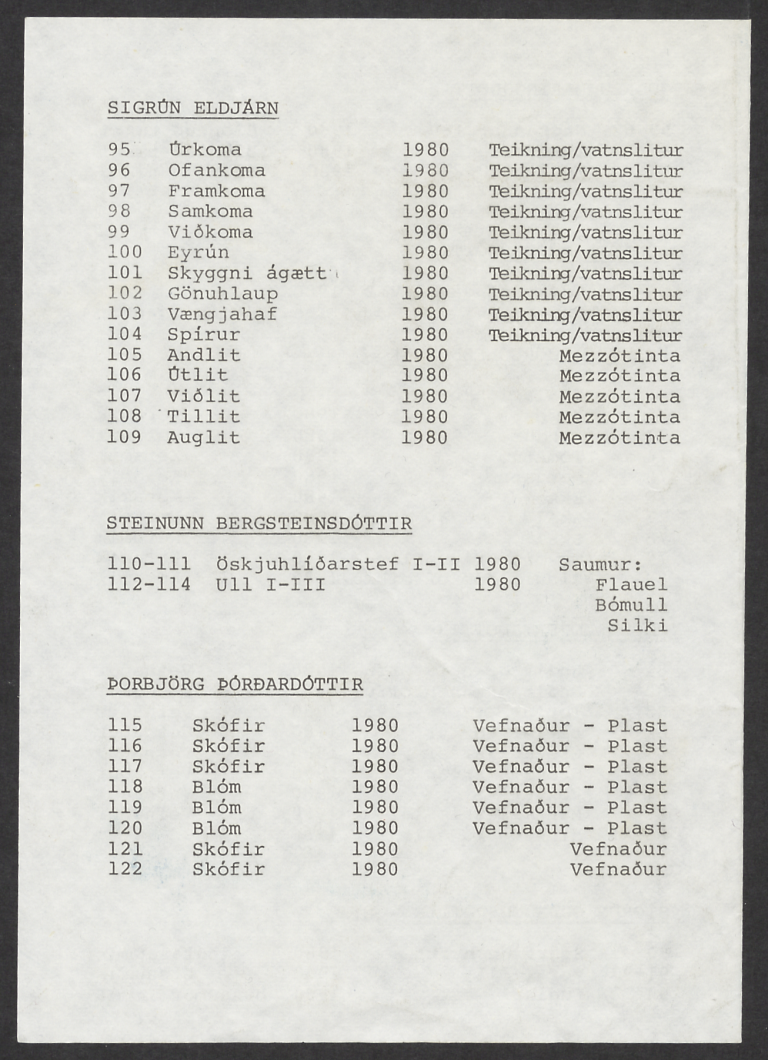
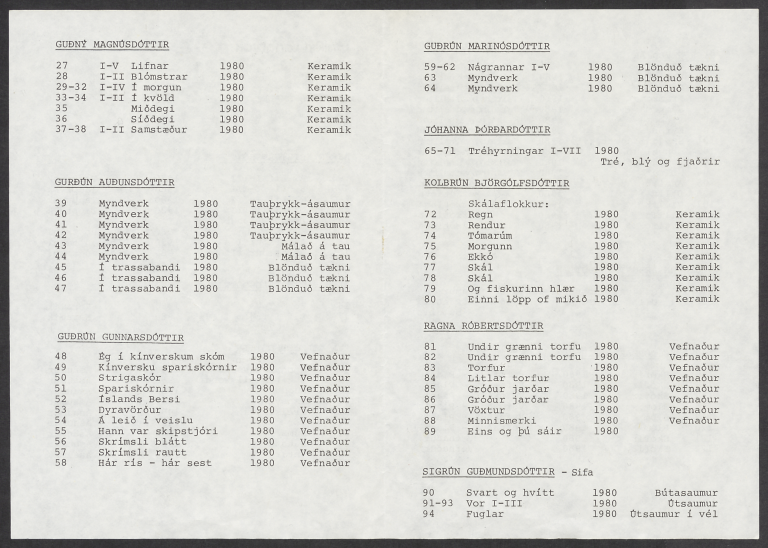
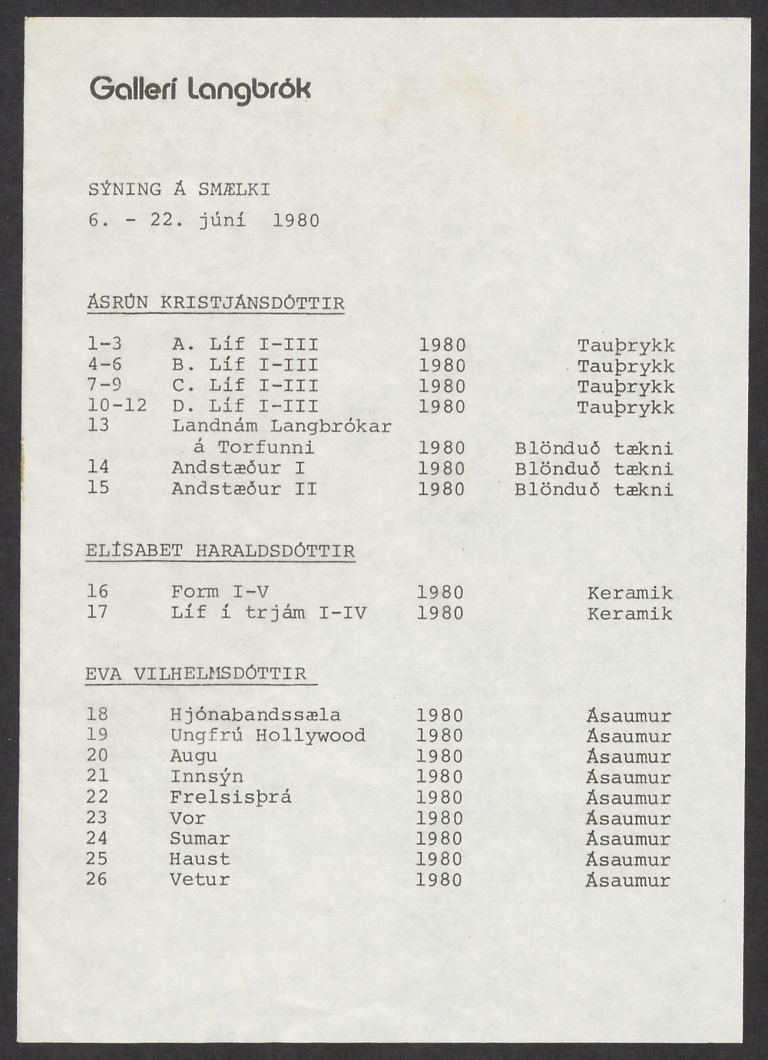
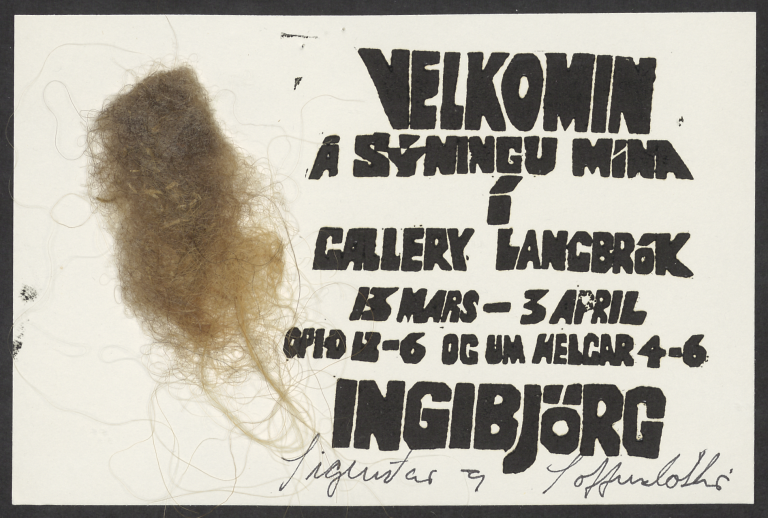
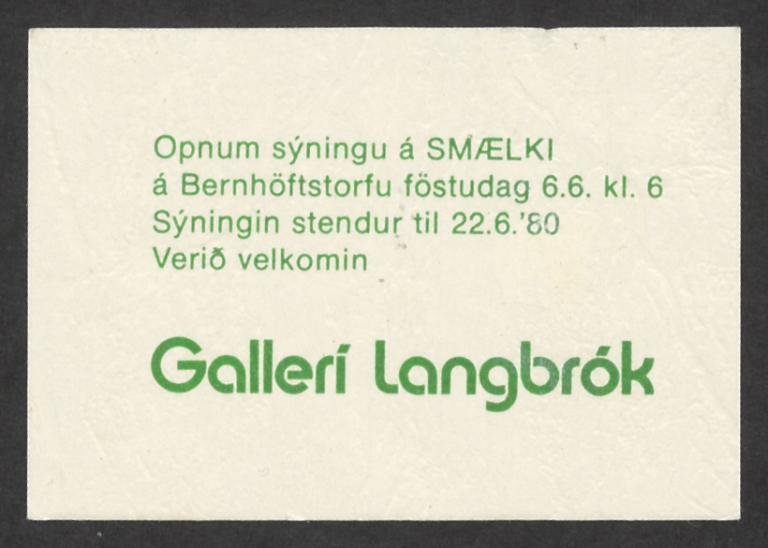
Gallery Langbrók was a gallery run by a group of female artists from 1978 till 1986, first in Vitastígur in Reykjavík and later in Amtmannstígur 1, where they exhibited and sold their works. The women came from different parts of the art world, many of them working with crafts and applied arts such as ceramics and fashion design. The name of the gallery derived from Hallgerður Langbrók (a 10th century Icelandic woman who is one of the main characters in the Iceland saga Njáls Saga), which the artists claimed to be the only “red-stocking in the Icelandic sagas”.

Peace organisations
Issues around peace have long been a matter of concern for women across the world. Icelandic women were active participants in the peace movement, both alongside men and within their own organisations. The movement is international and most Icelandic peace associations collaborated extensively with organisations abroad.
The Culture- and Peace Association of Icelandic Women
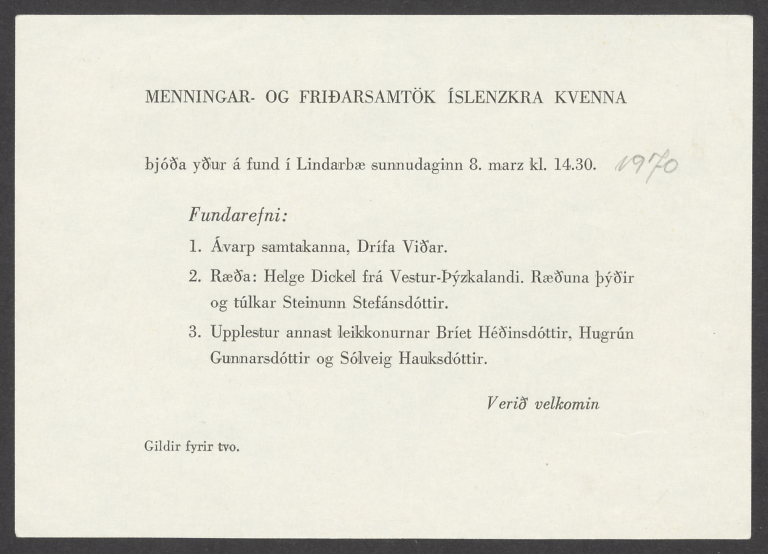
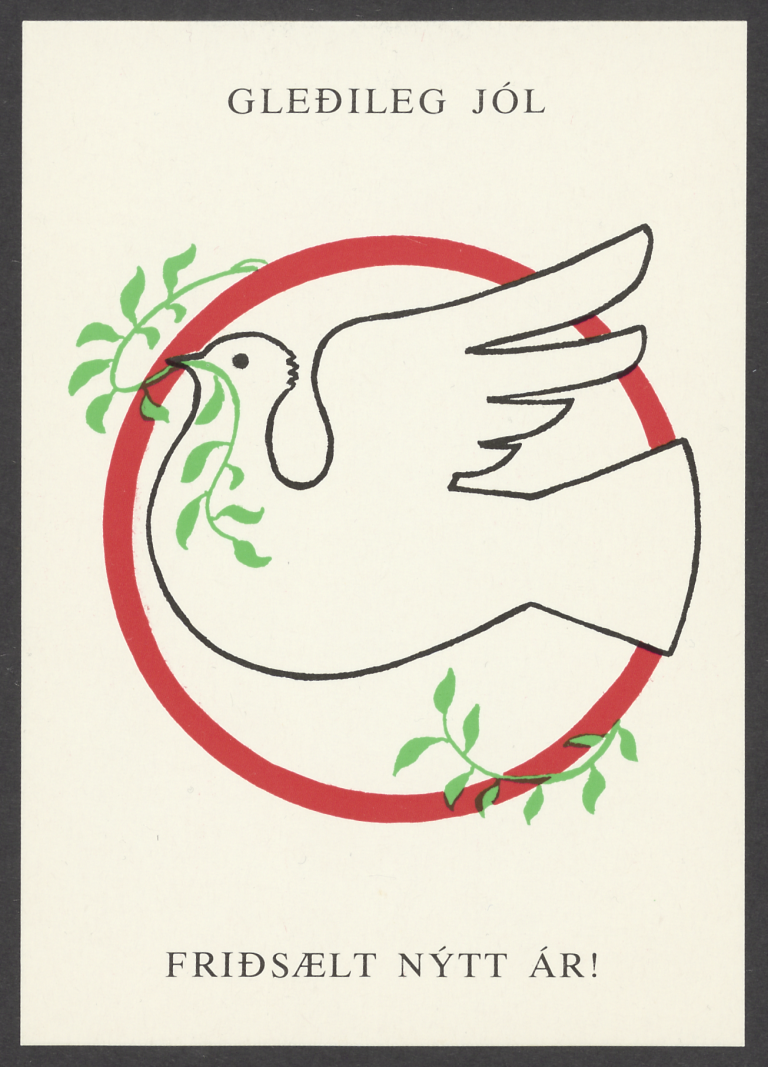
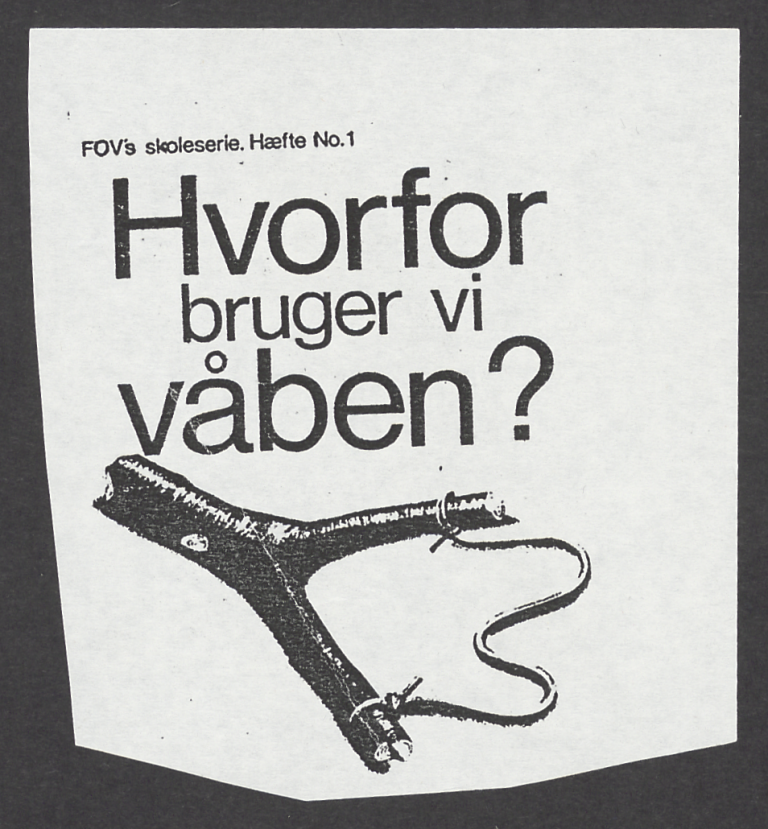

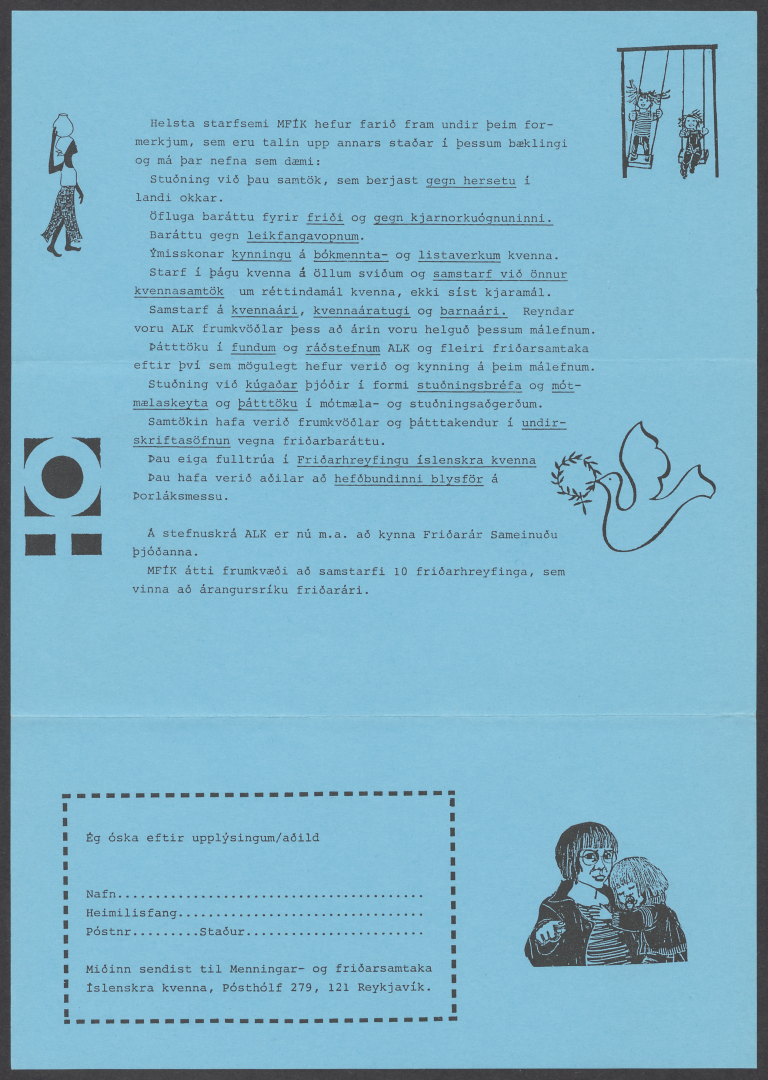
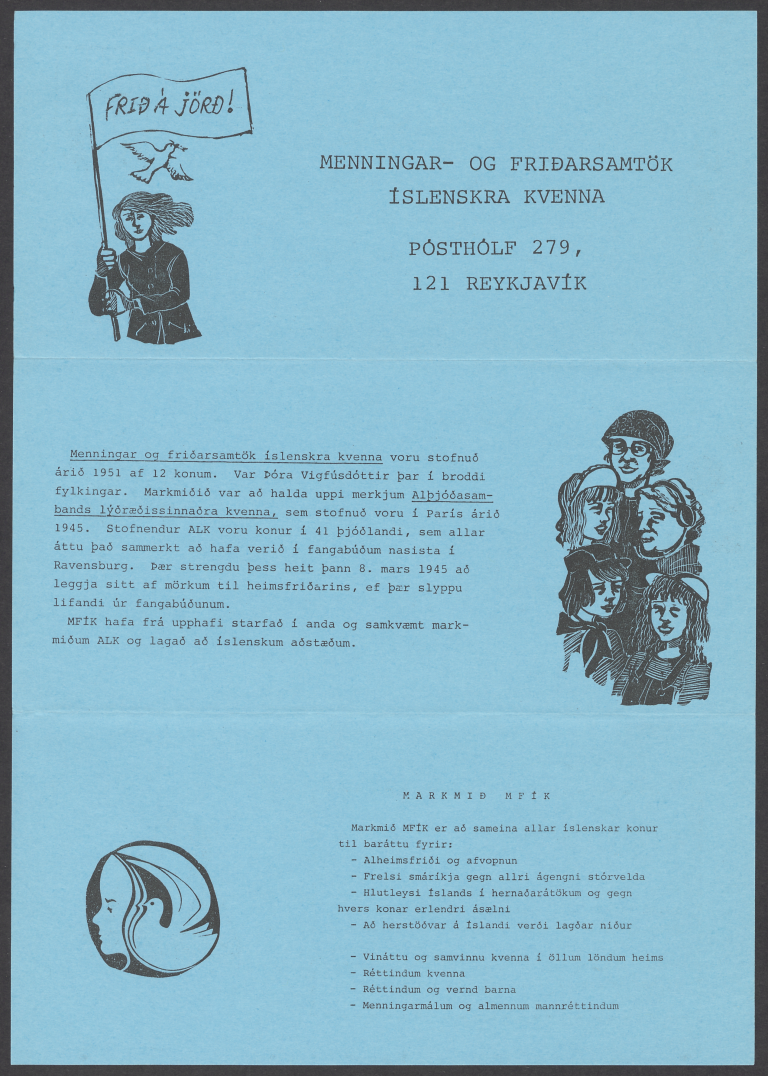
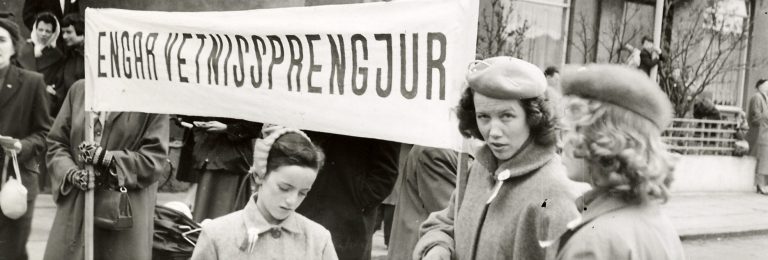
The Culture- and Peace Association of Icelandic women was founded in 1951. One of the main incentives of the group was the defence agreement between Iceland and the USA but the organisation was furthermore inspired by the operations of the International Women’s Organisation for Democracy, which was founded by the end of the Second World War. Many of the women in leadership roles at the Culture and Peace Association had connections to radical left wing political forces.
The Peace Movement of Icelandic Women
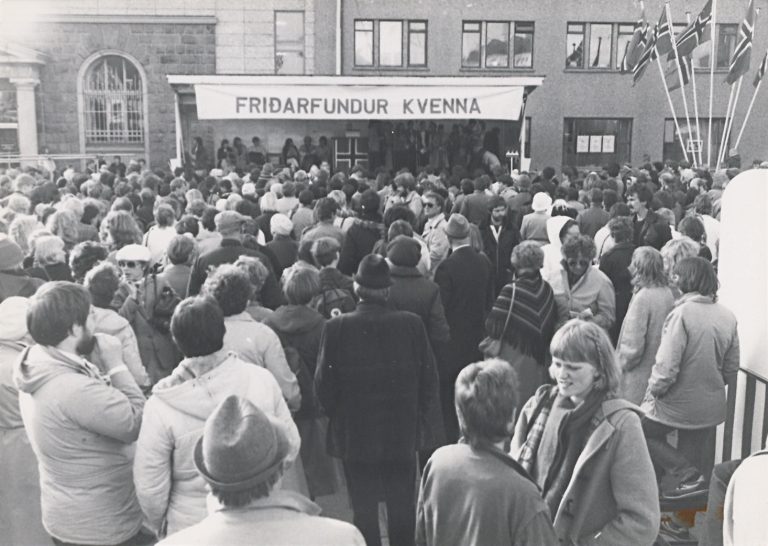
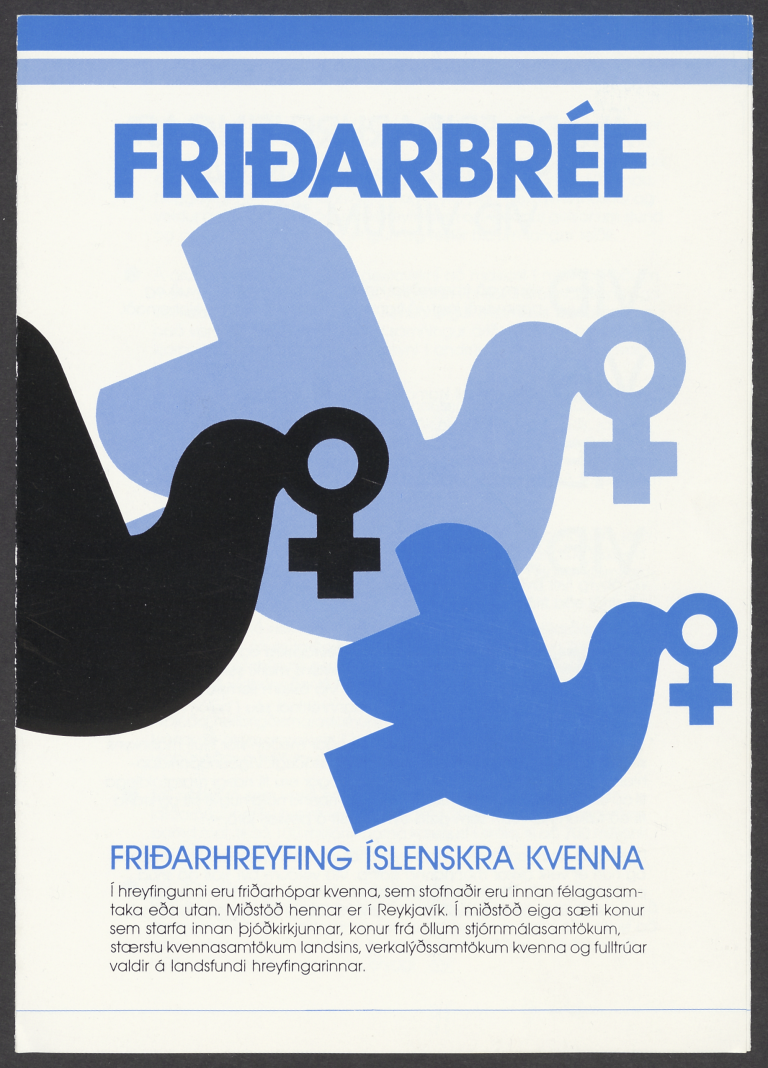
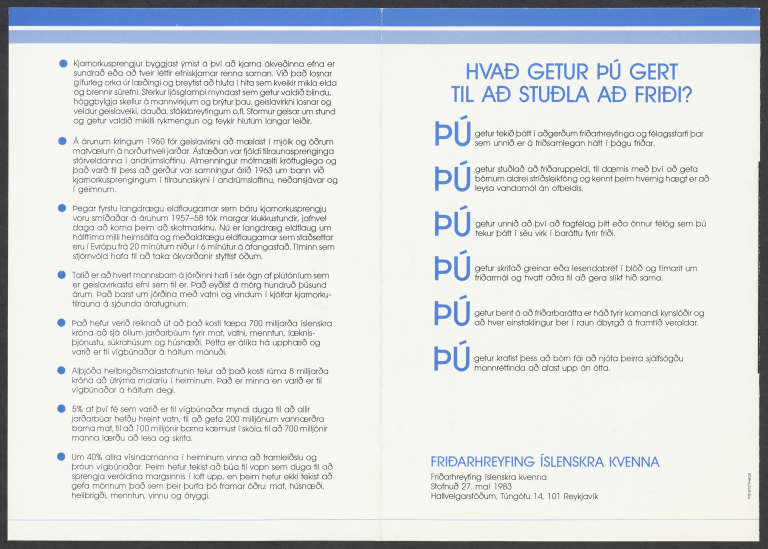
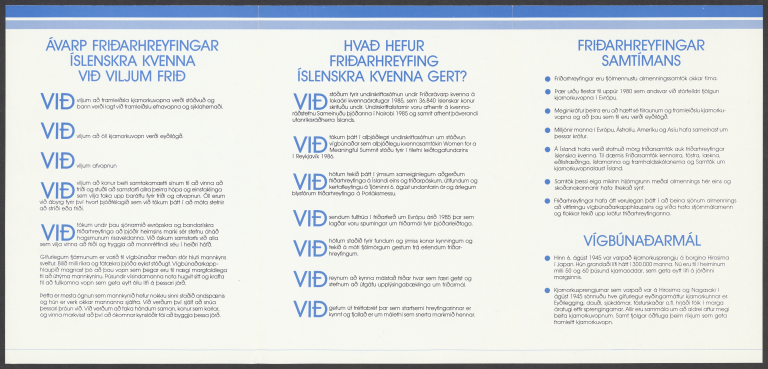
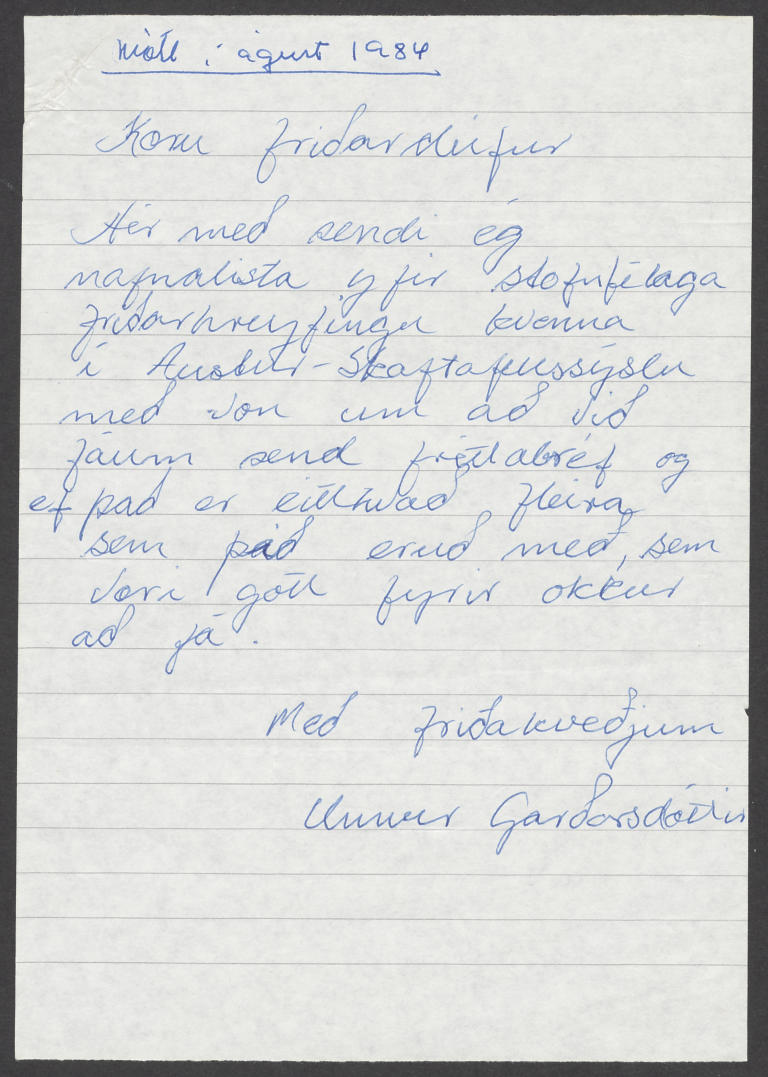
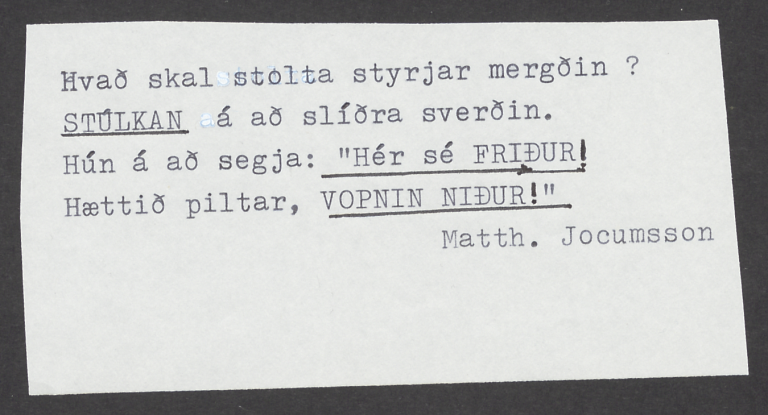
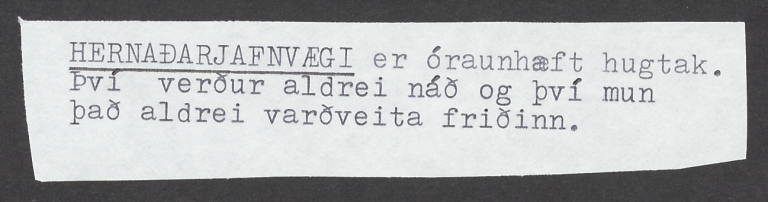
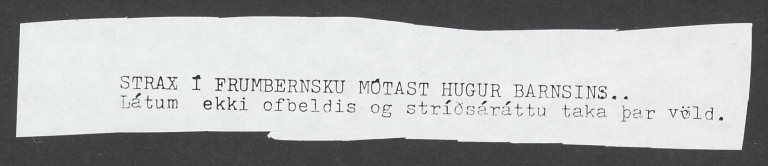
The Peace Movement of Icelandic women was founded in 1983 as a cross-political association about all matters of peace. The international peace movement was powerful in the 1980s, especially in discussion and protest against the nuclear threat. The group participated in activities of the Icelandic peace movement, including activities and events during the United Nations International Year of Peace in 1985.
Icelandic Peace Grandmothers

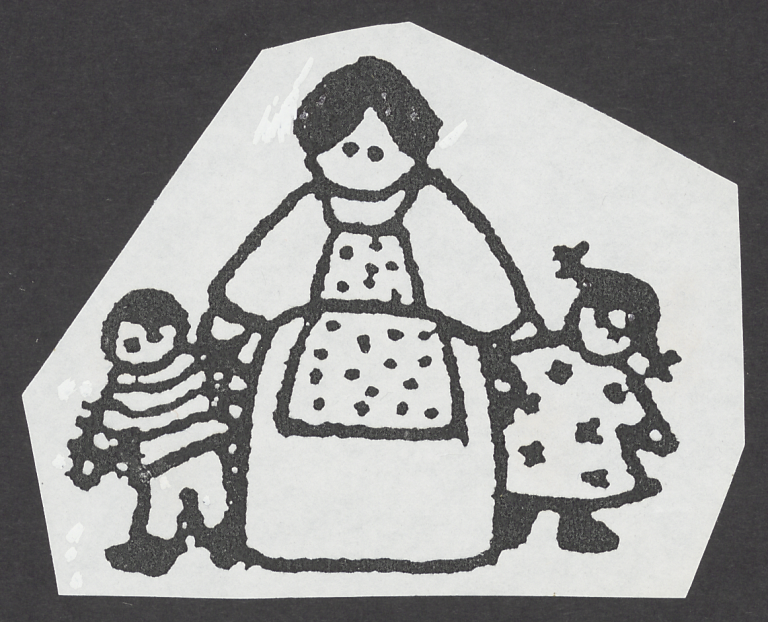
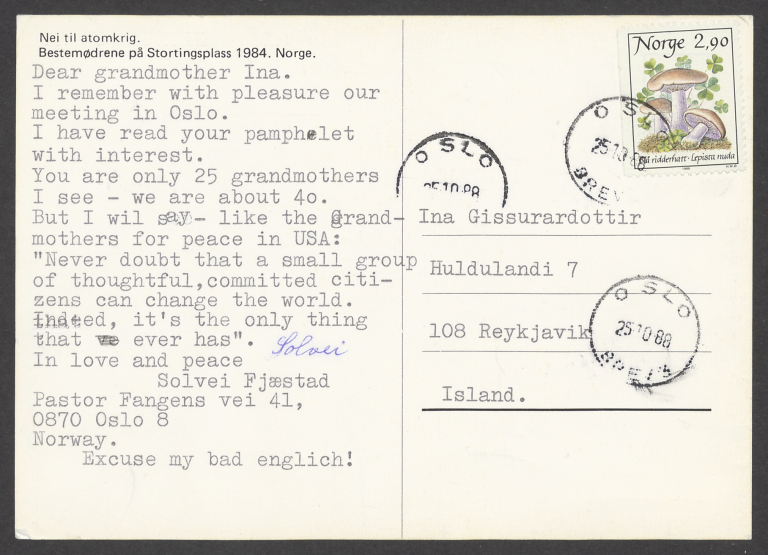
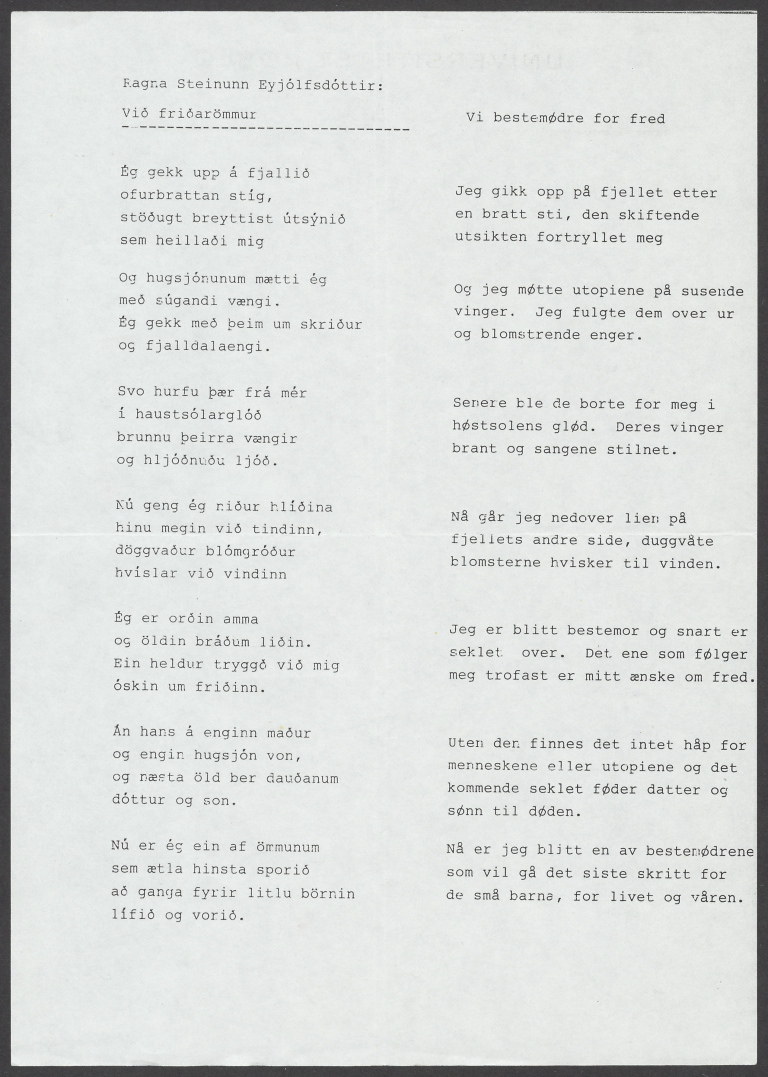
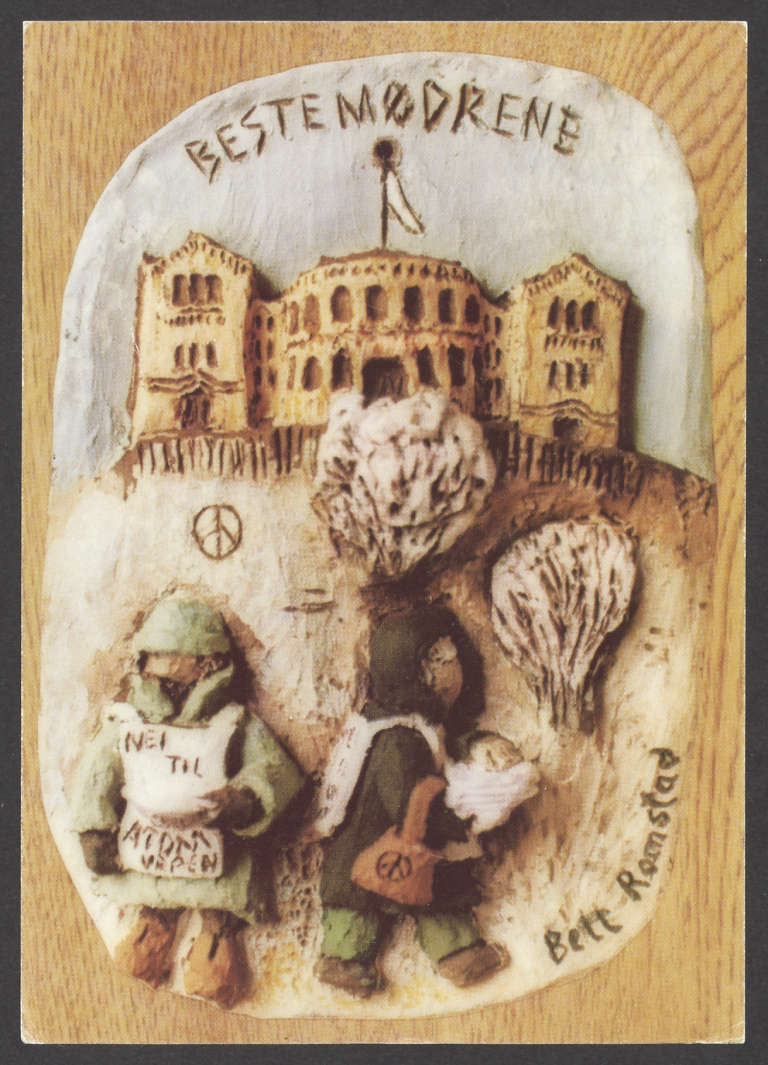
Icelandic Peace Grandmothers was an organisation founded in 1988, inspired by similar organisations abroad, and was active till the mid 90’s. The founders were grandmothers that wanted to advocate for peace with a focus on the welfare and safety of children. The Peace Grandmothers demanded that the Icelandic government place a trade embargo on South-Africa to protest the actions of the apartheid-governement. They also encouraged peace education in schools and spoke against showing violent movies on TV.
Women’s Rights Associations

The first Icelandic association which had women’s rights on its agenda was the Icelandic Women’s Association, which was founded in 1894. Its main issues included increased civil rights and education for women. Just over a decade later, the Icelandic Women’s Rights Association was established and dedicated itself exclusively to the fight for women’s rights. Since then, women in Iceland have established and founded multiple organisations that fight for gender equality in one way or another.
The Women’s Rights Association of Iceland
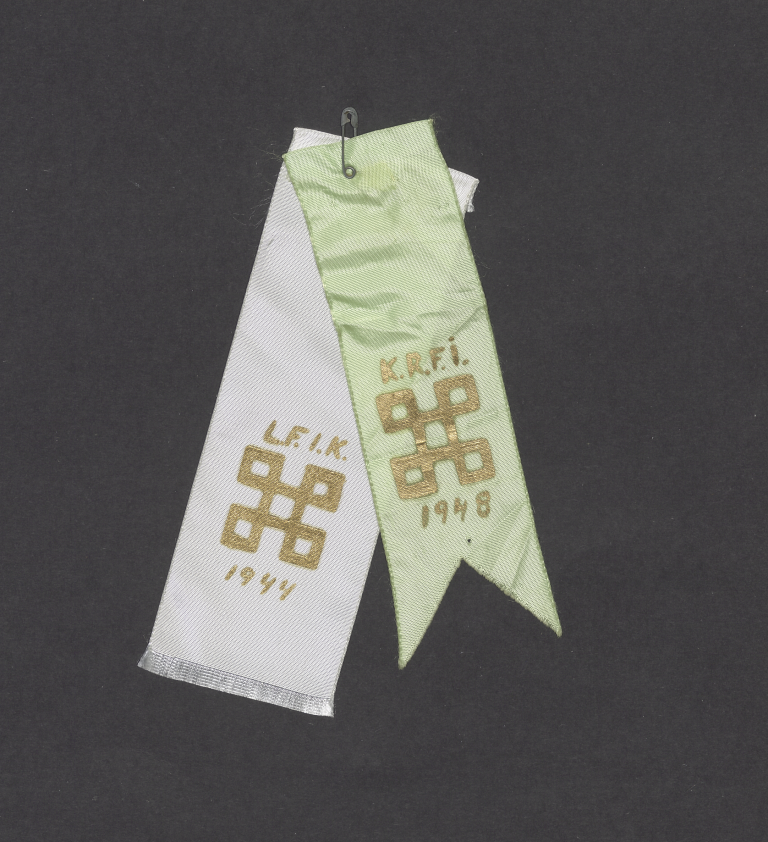
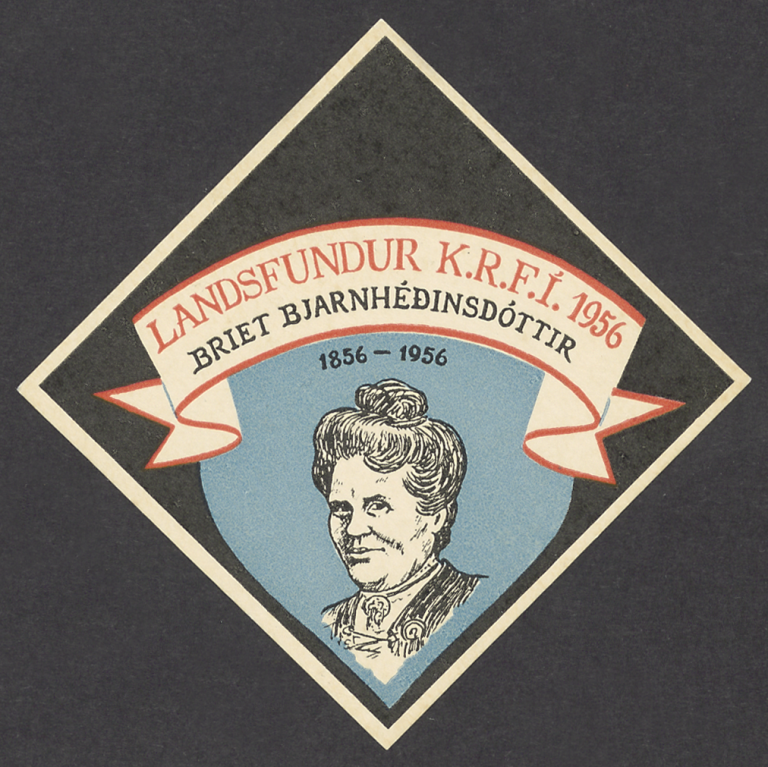
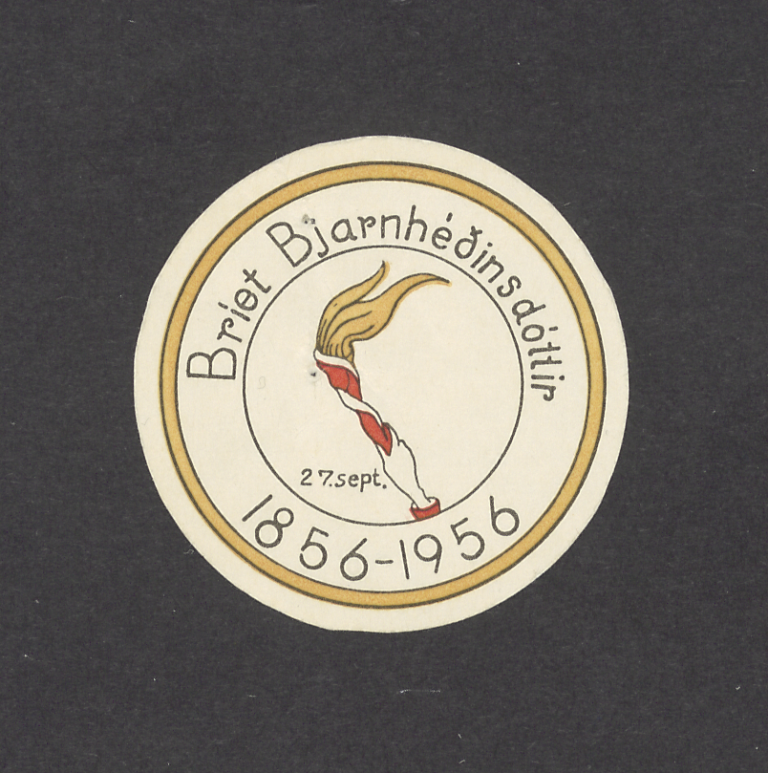
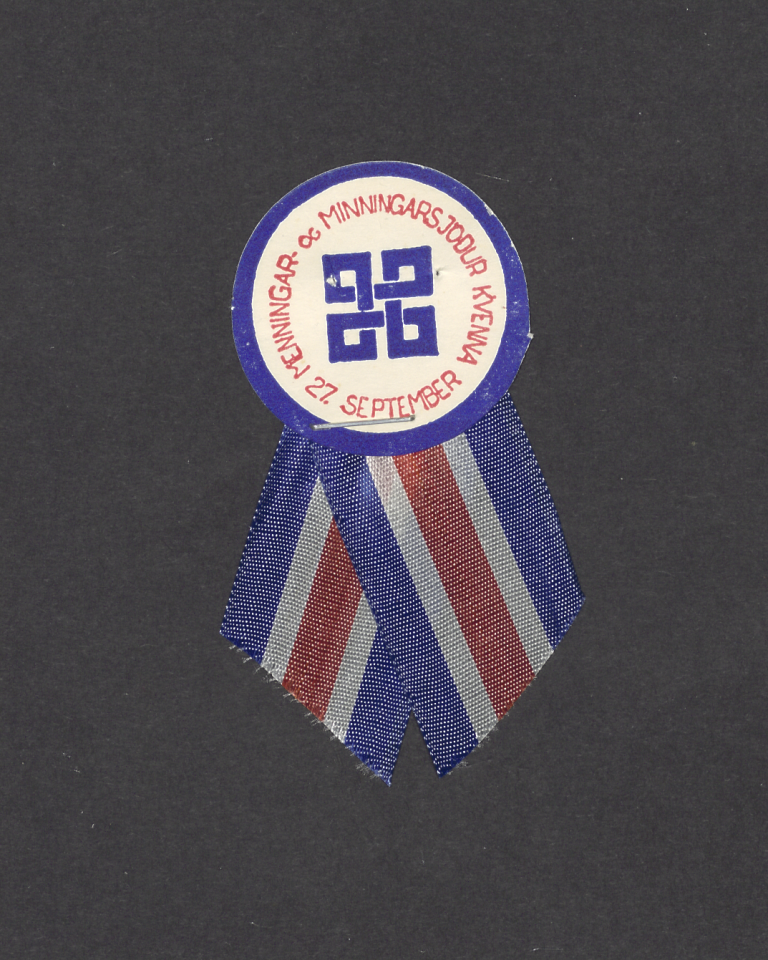
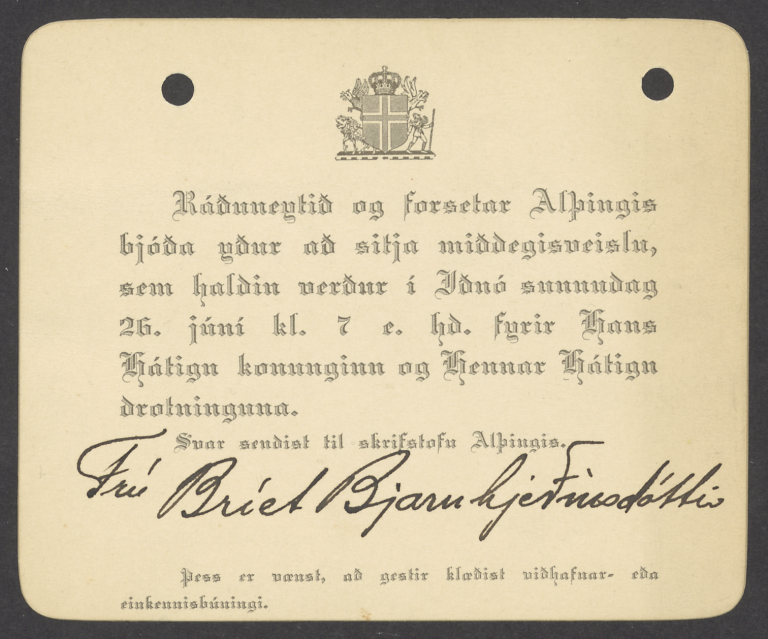
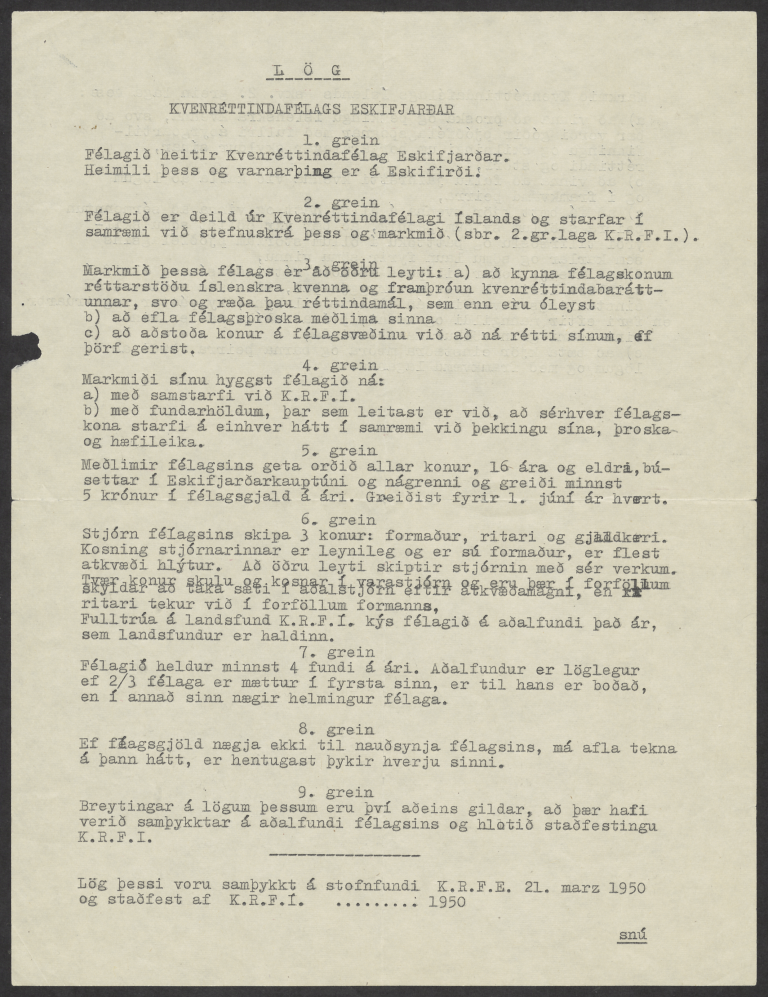
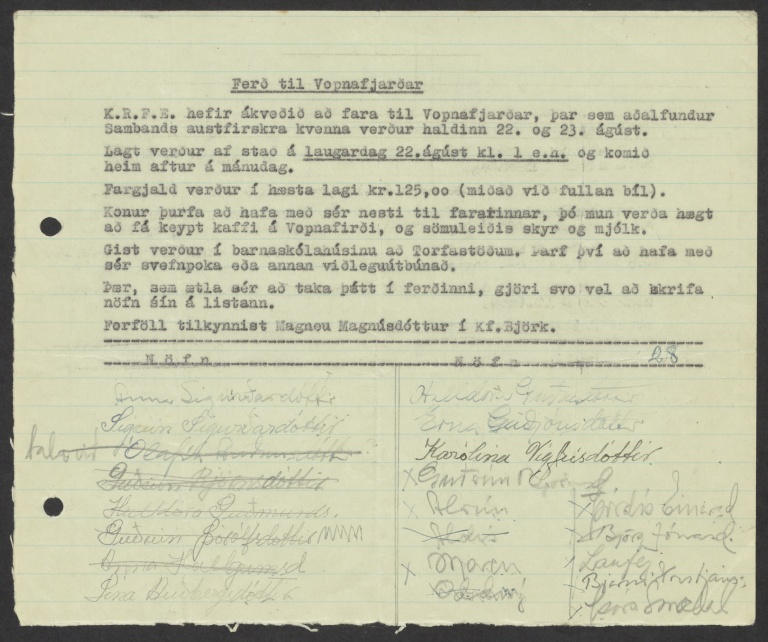
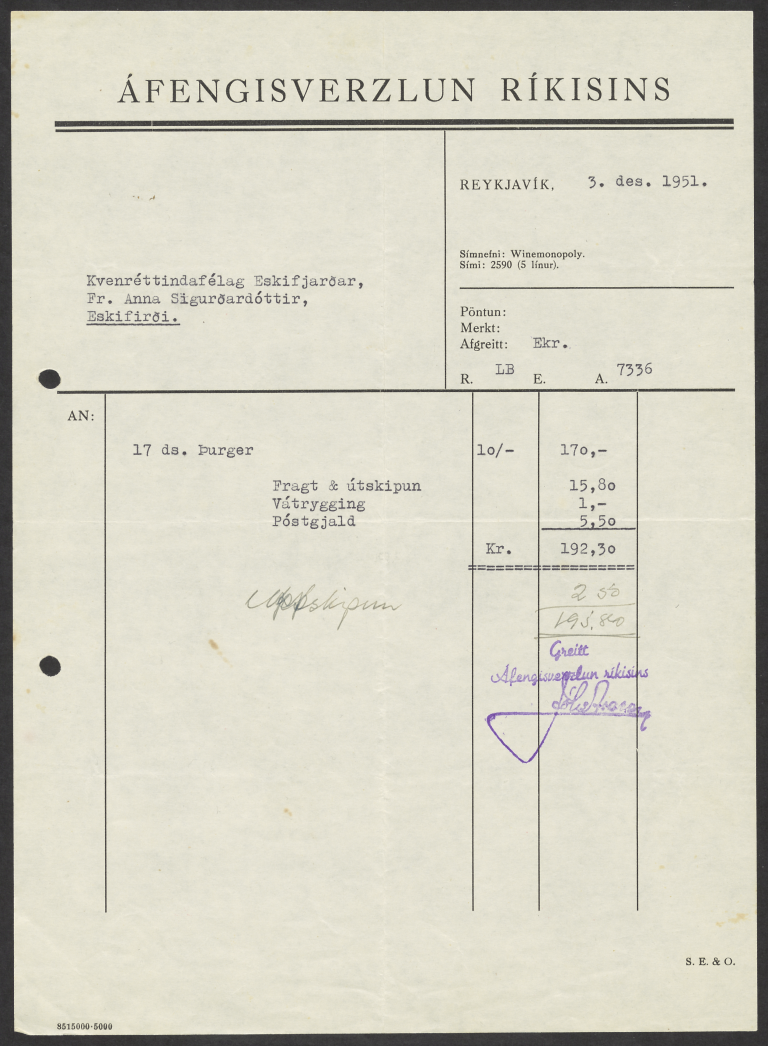
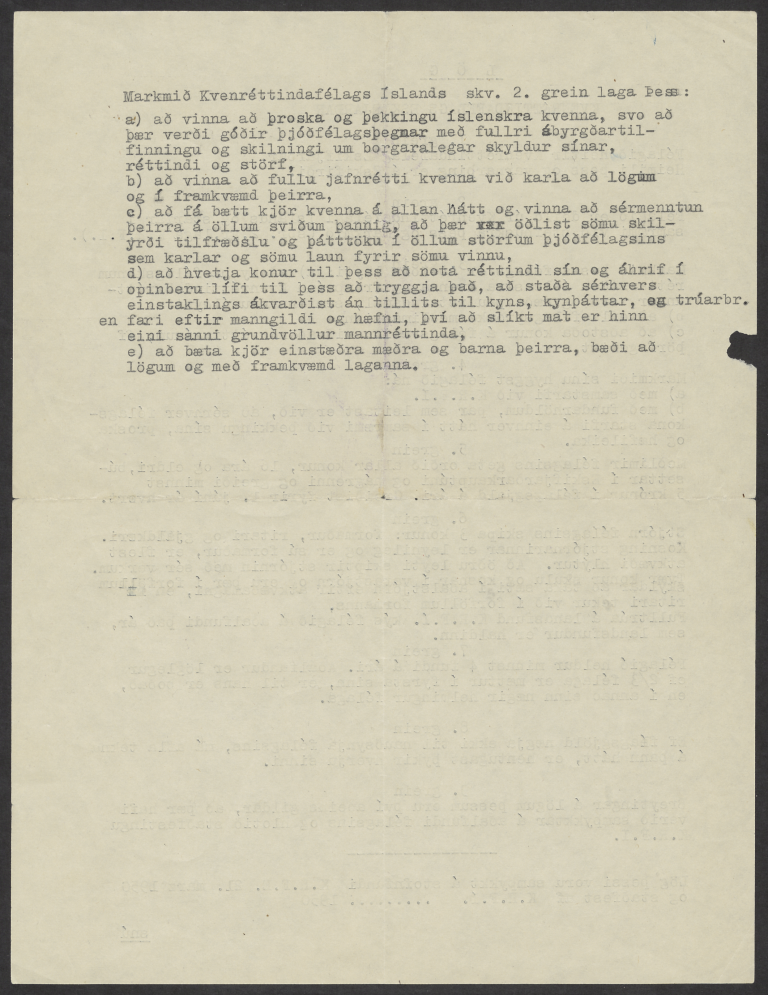
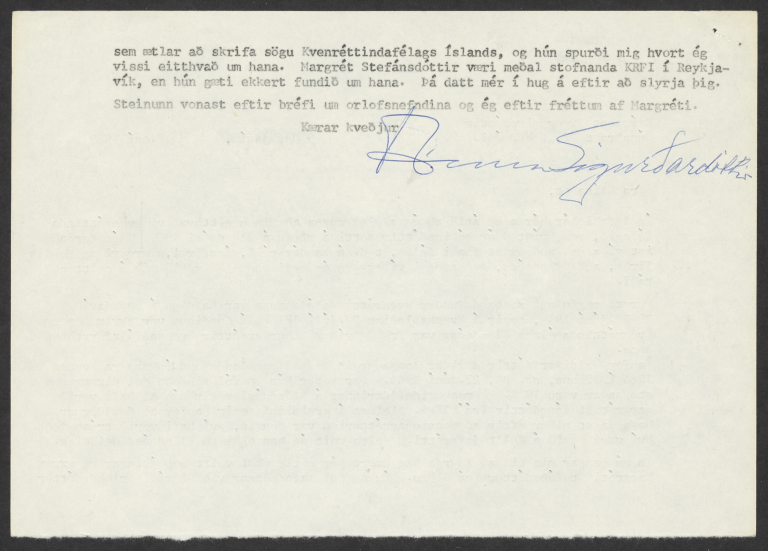
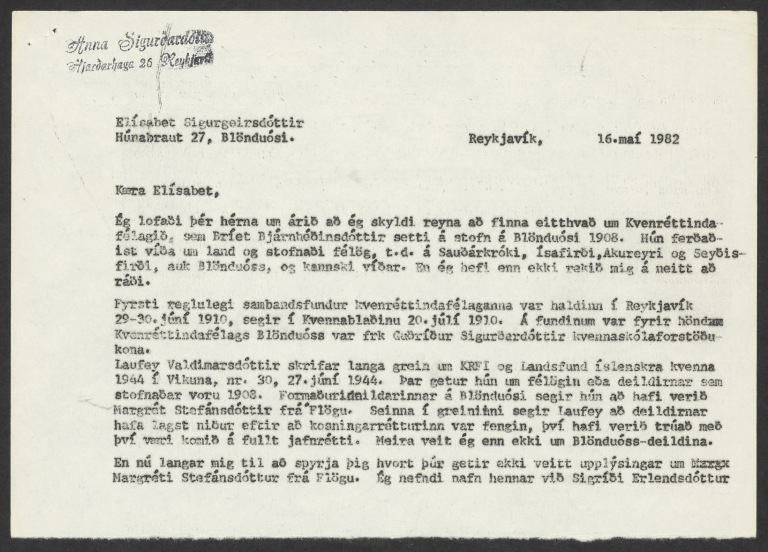
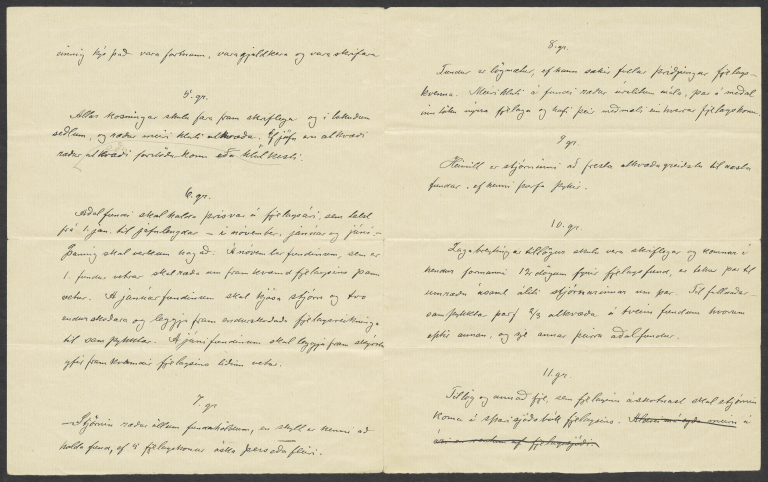
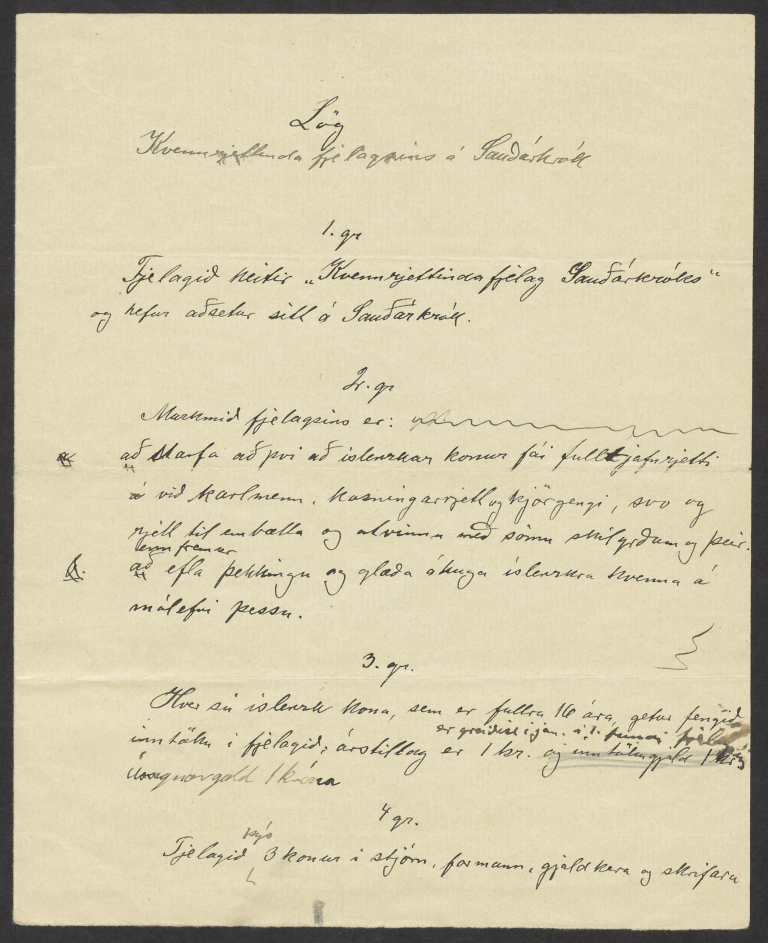
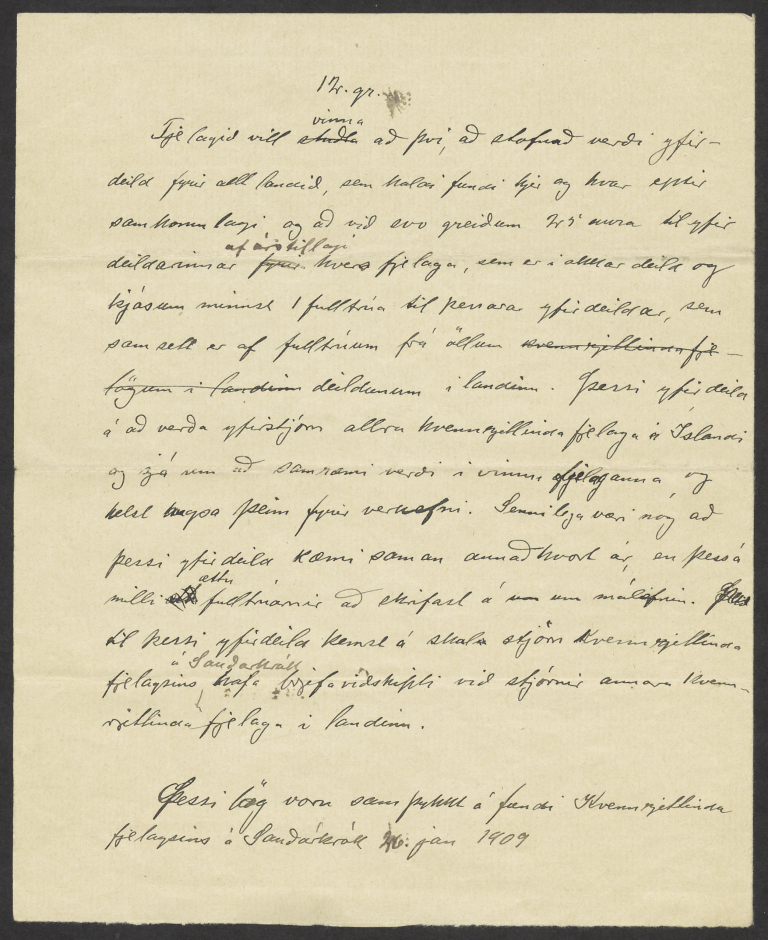
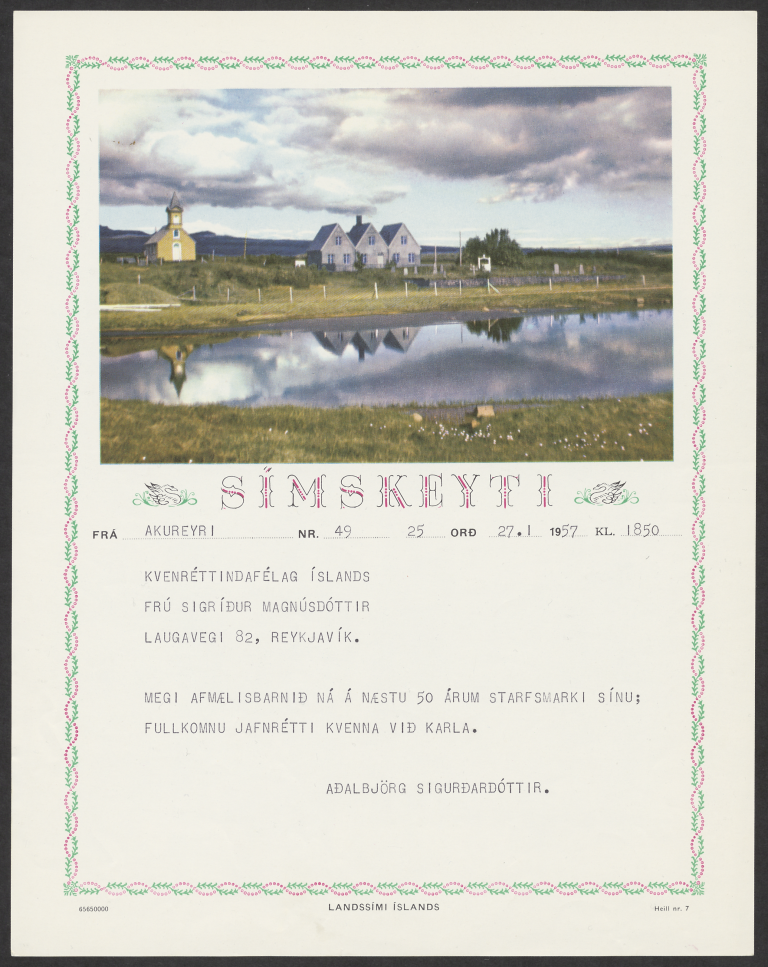
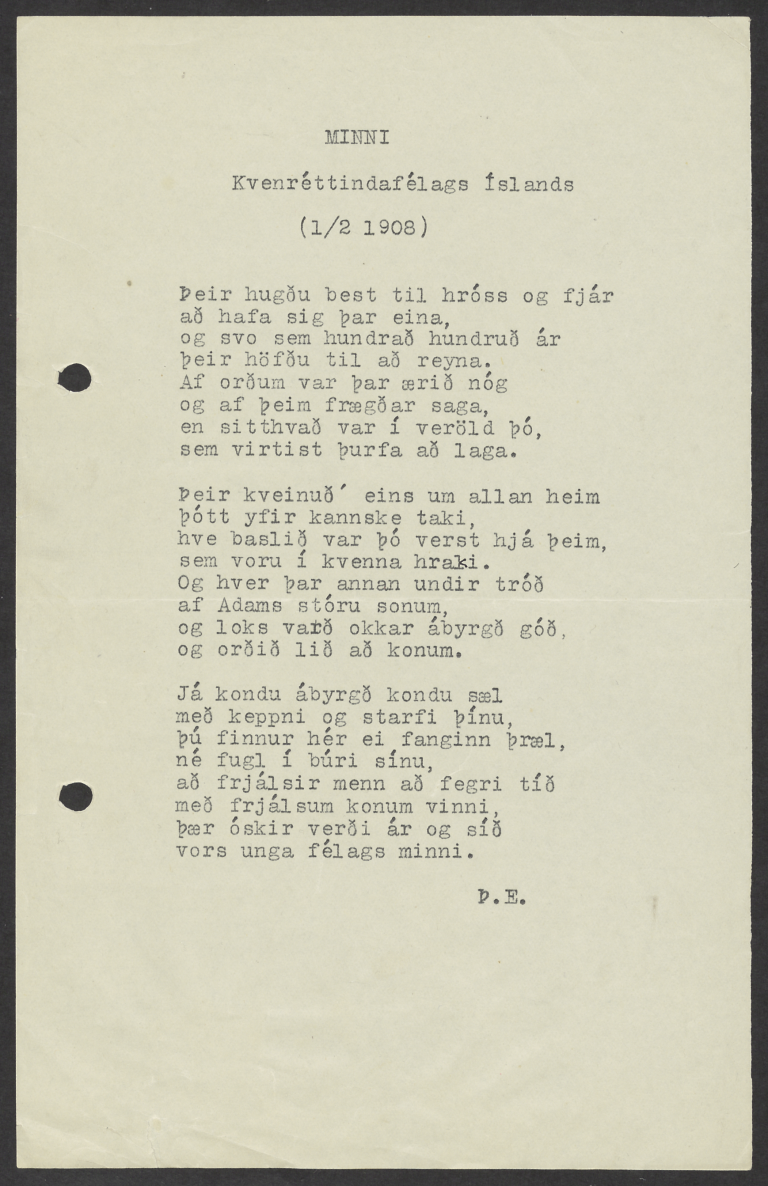
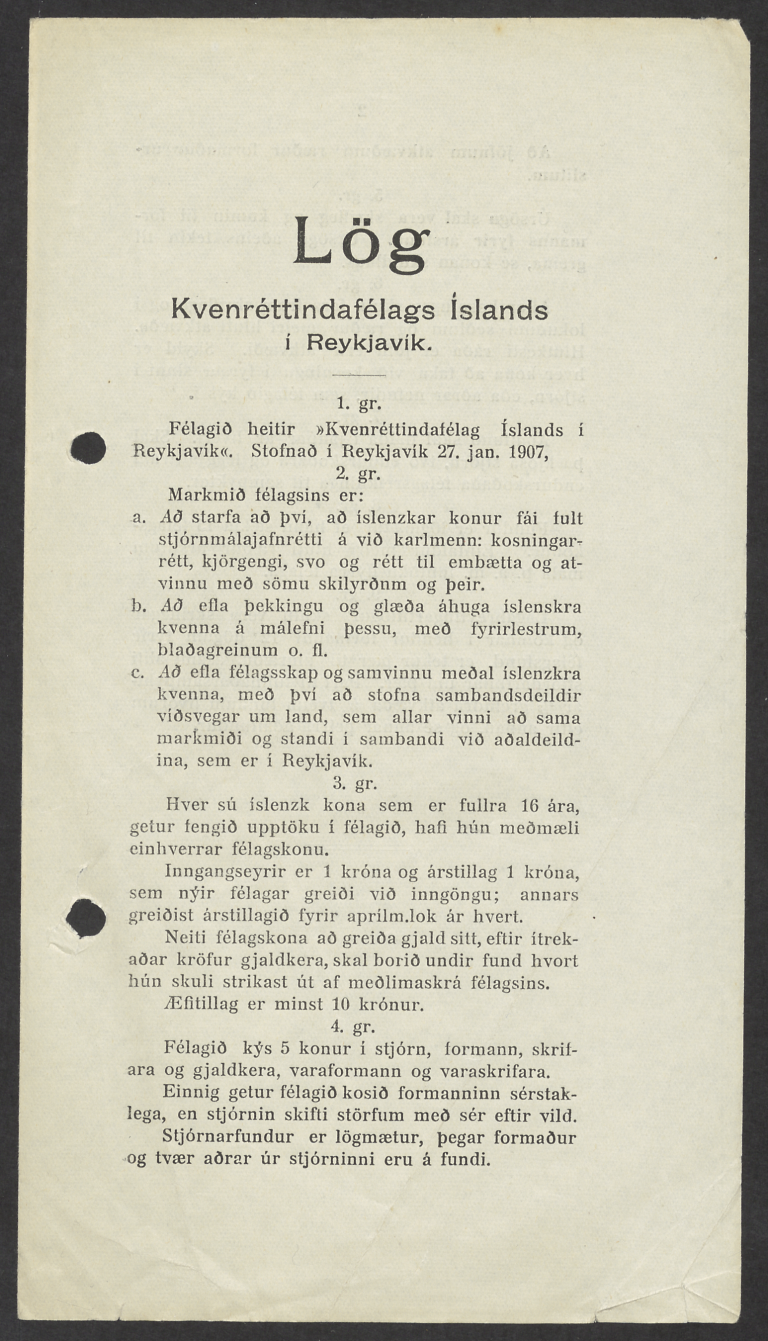
The Women’s Rights Association of Iceland was founded in 1907 in the home of the first chairman, Bríet Bjarnhéðinsdóttir, in Þingholtsstræti 18 downtown Reykjavík. The establishment of the association was linked to an international wave of women’s rights organisations that wanted women to gain full civil rights. Women’s Rights Associations were founded all around Iceland. In 1908, Bríet travelled the country and delivered lectures on women’s rights and following this associations were founded in Ísafjörður in the west of Iceland, in Blönduós, Sauðárkrókur and Akureyri in the north and in Seyðisfjörður in the east. The Women’s Rights Association of Eskifjörður was founded in 1950 due to the initiative of Anna Sigurðardóttir who later became the first chairwoman of the Women’s History Archives.
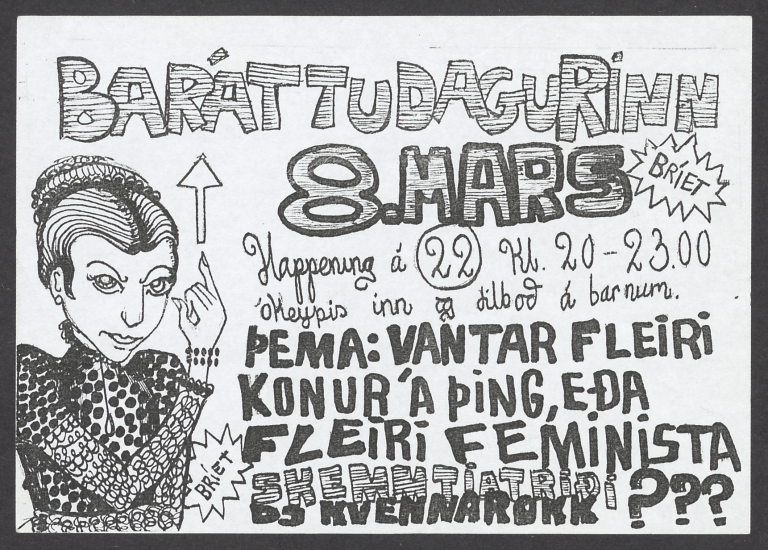
Bríet – the Association of Young Feminists
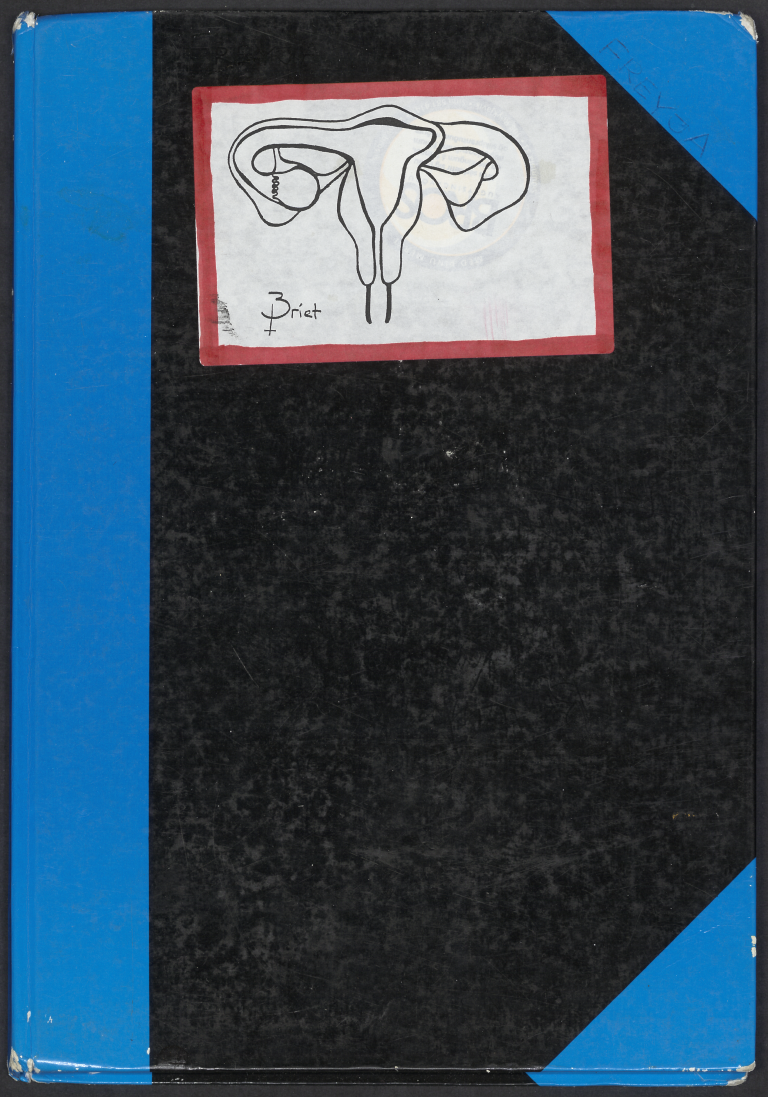
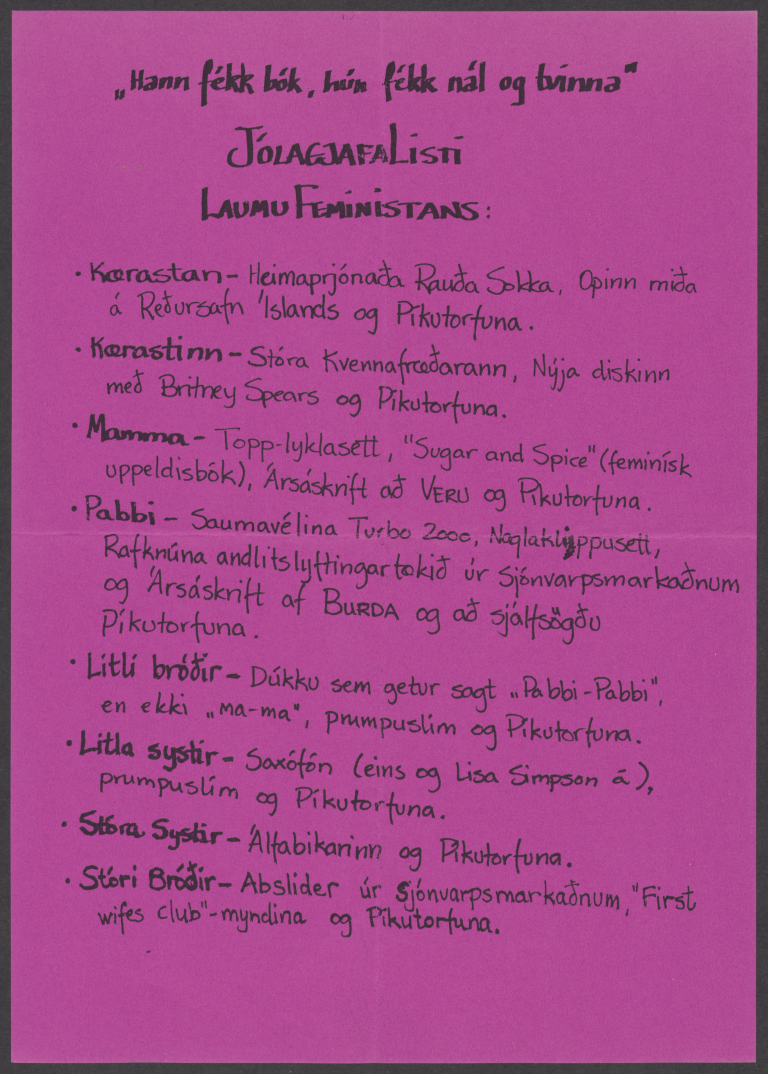
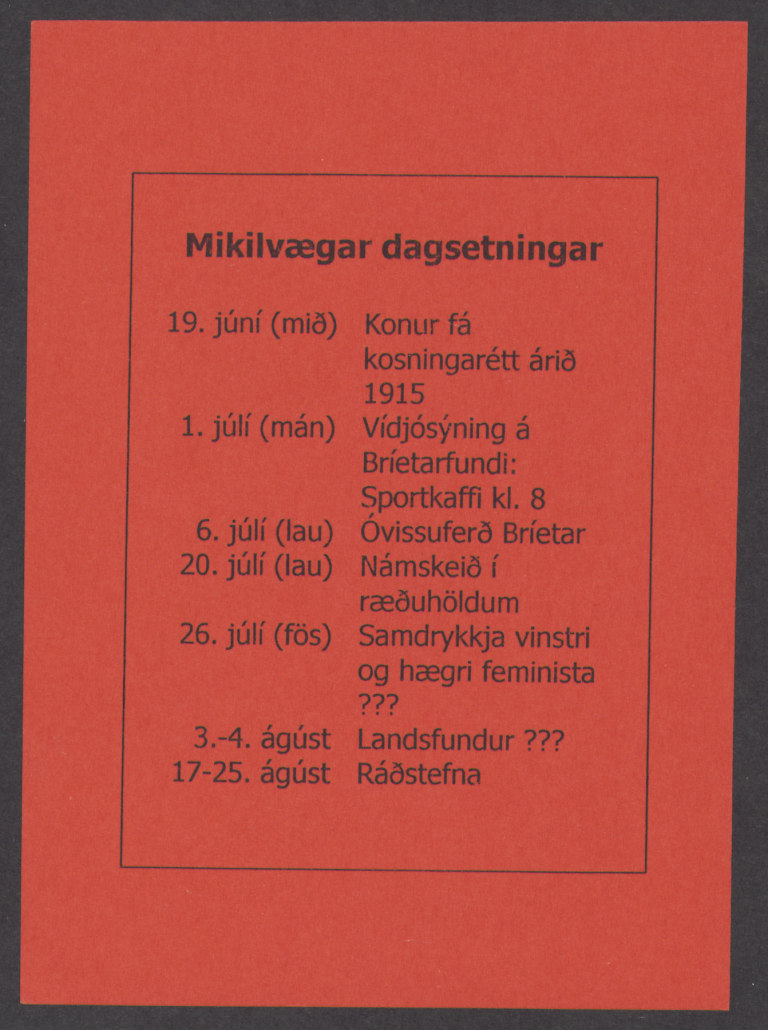
Bríet – the Association of Young Feminists and Femínistafélag Íslands (the Feminist Association of Iceland) were prominent in the feminist movement around and after the turn of the millennium in 2000. The association Bríet was founded in 1997 and named after Bríet Bjarnhéðinsdóttir.

The Feminist Association of Iceland
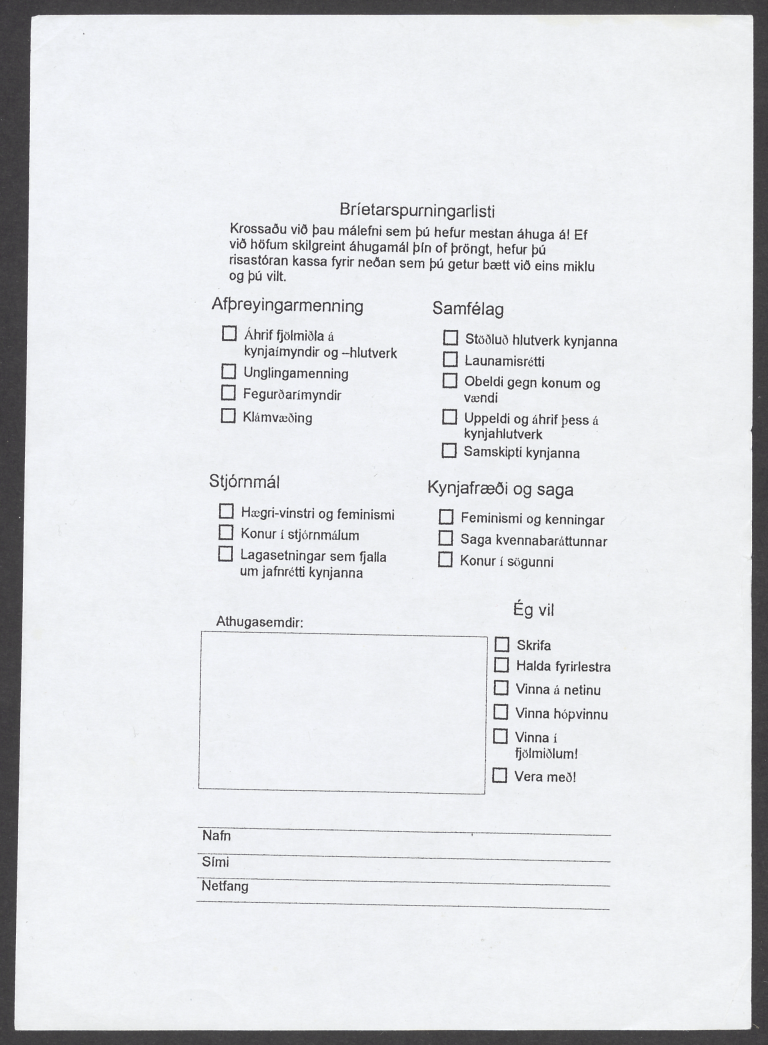
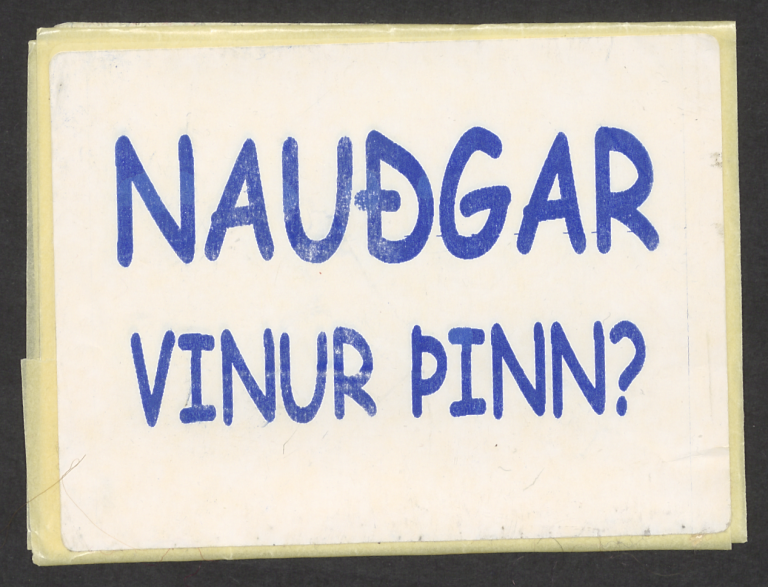
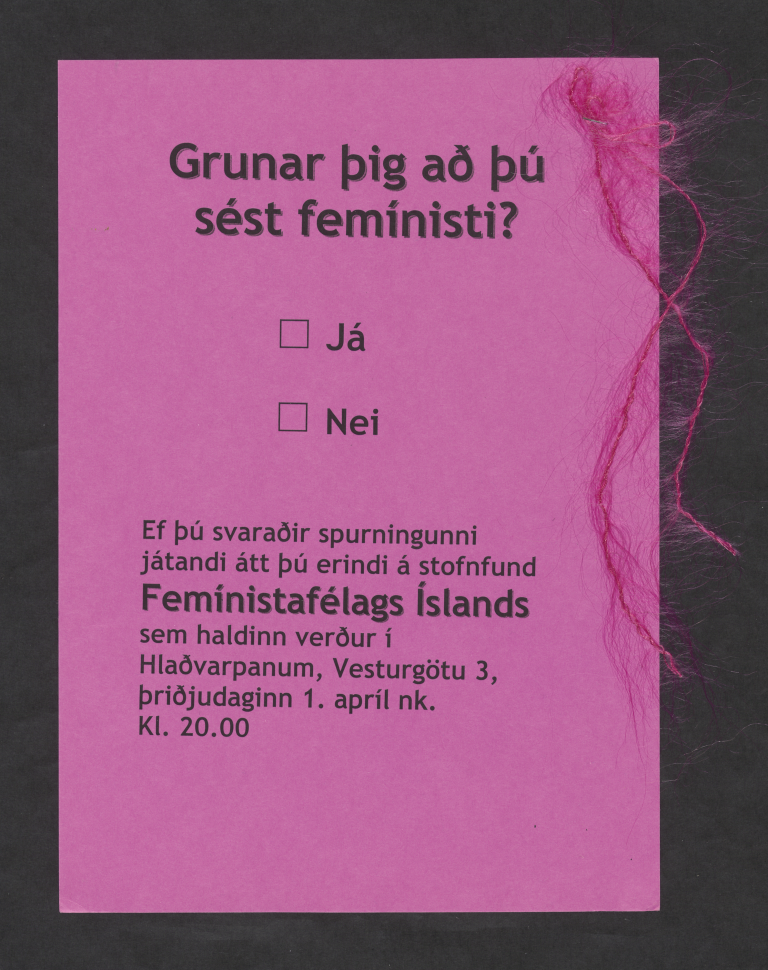
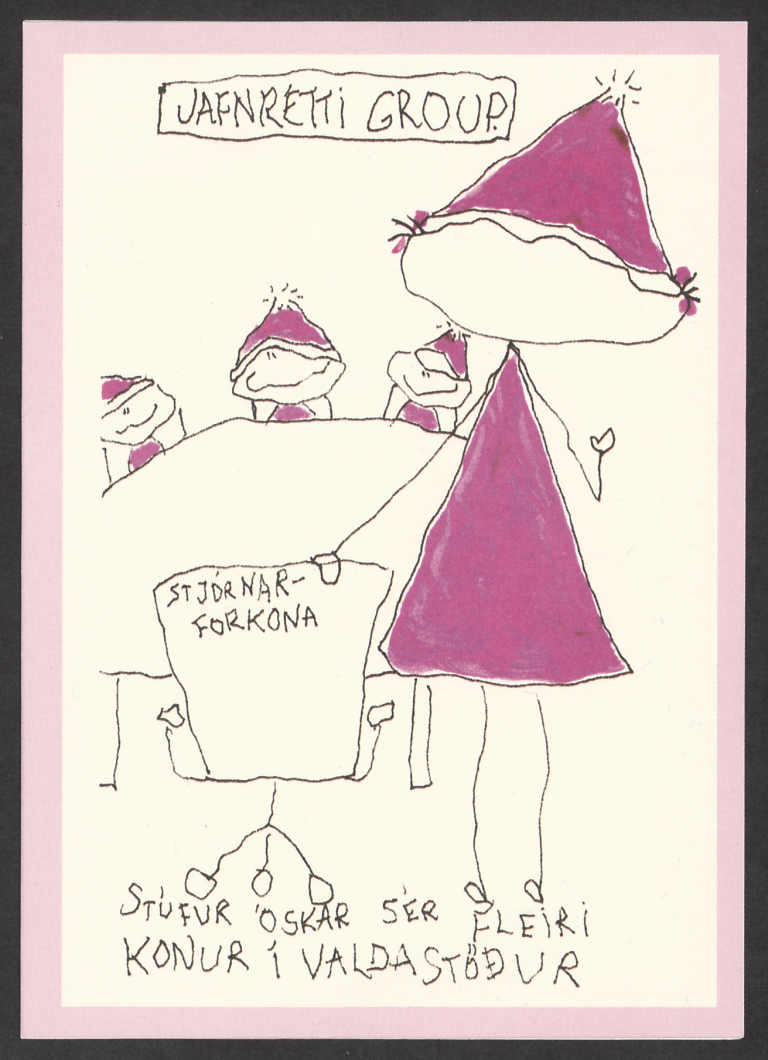
The Feminist Association of Iceland was founded in 2003 and had its roots in a feminist email list. The association focused on issues such as gender-based violence, pornification and gender stereotypes – and the Feminist Association’s men’s group encouraged men to object to rape.

Organisations against violence
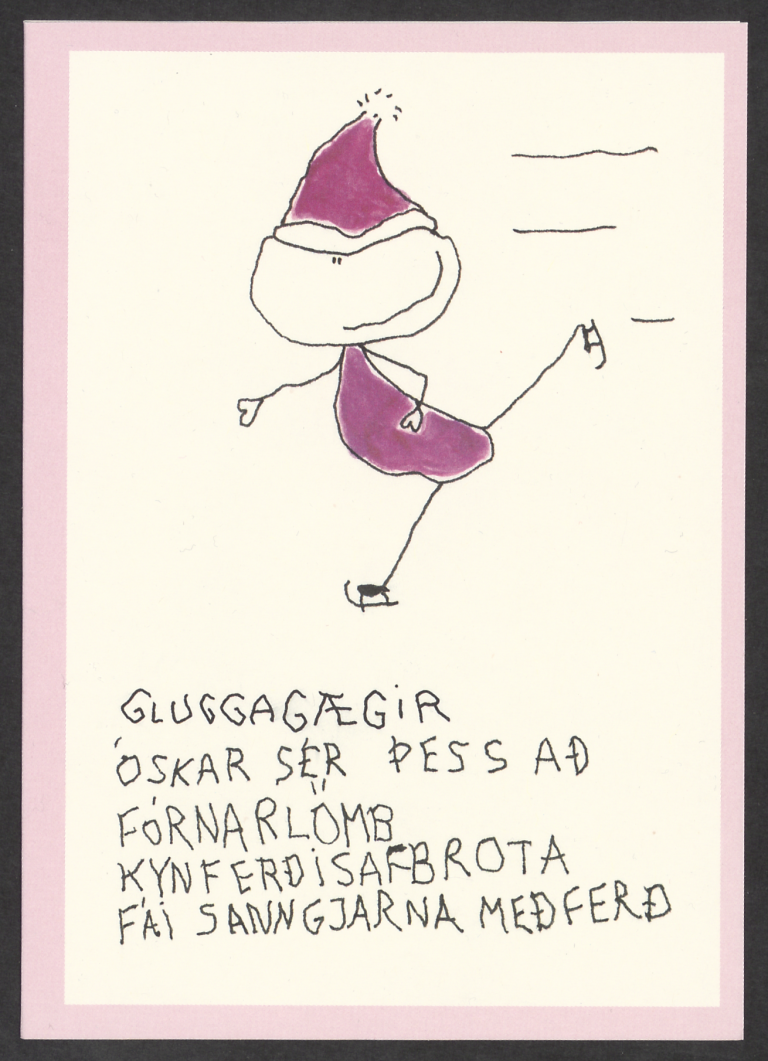
Around 1980, a serious discussion about gender-based violence began within the Icelandic women’s rights movement and organisations were founded to raise awareness of the issue and to support survivors of abuse.
The Women’s Shelter Association
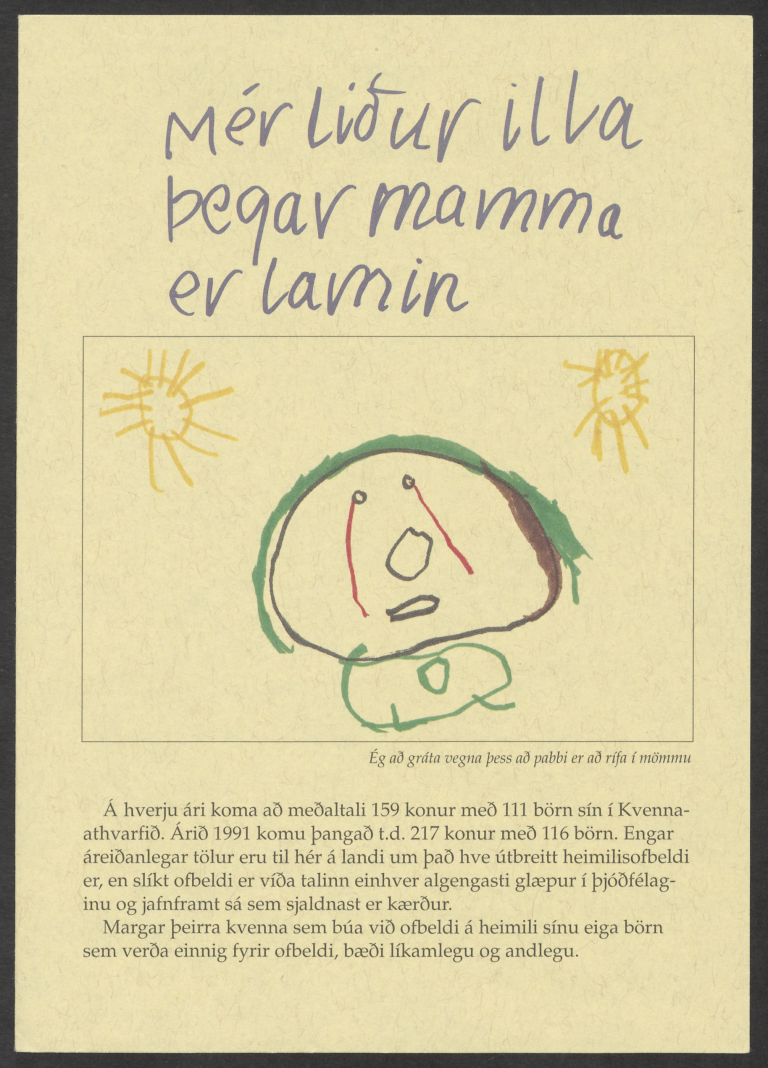
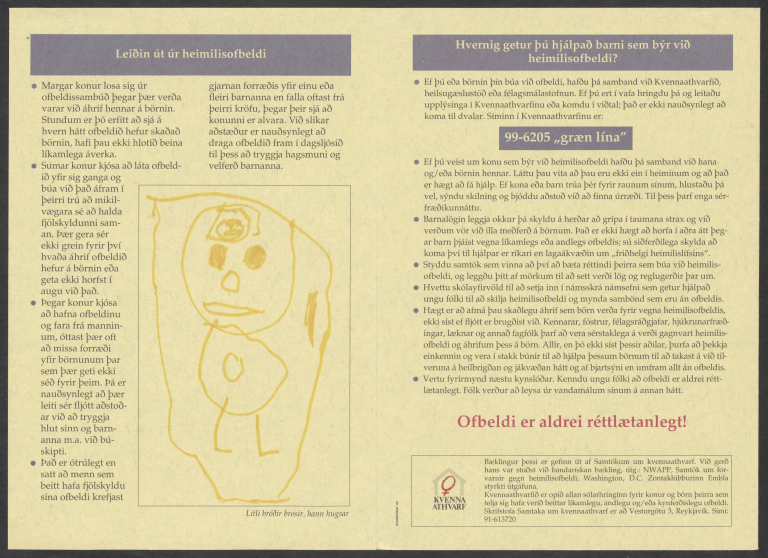
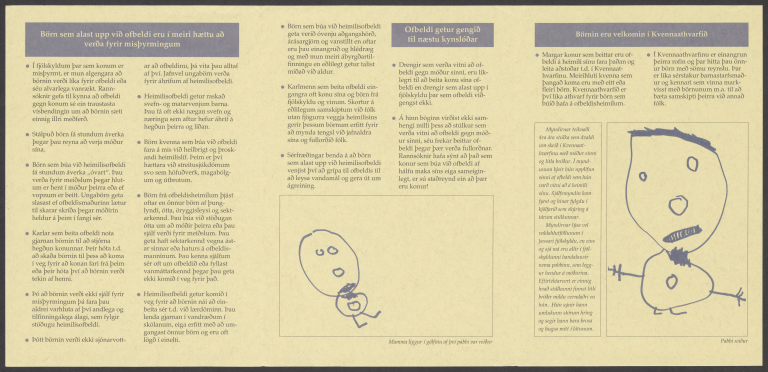
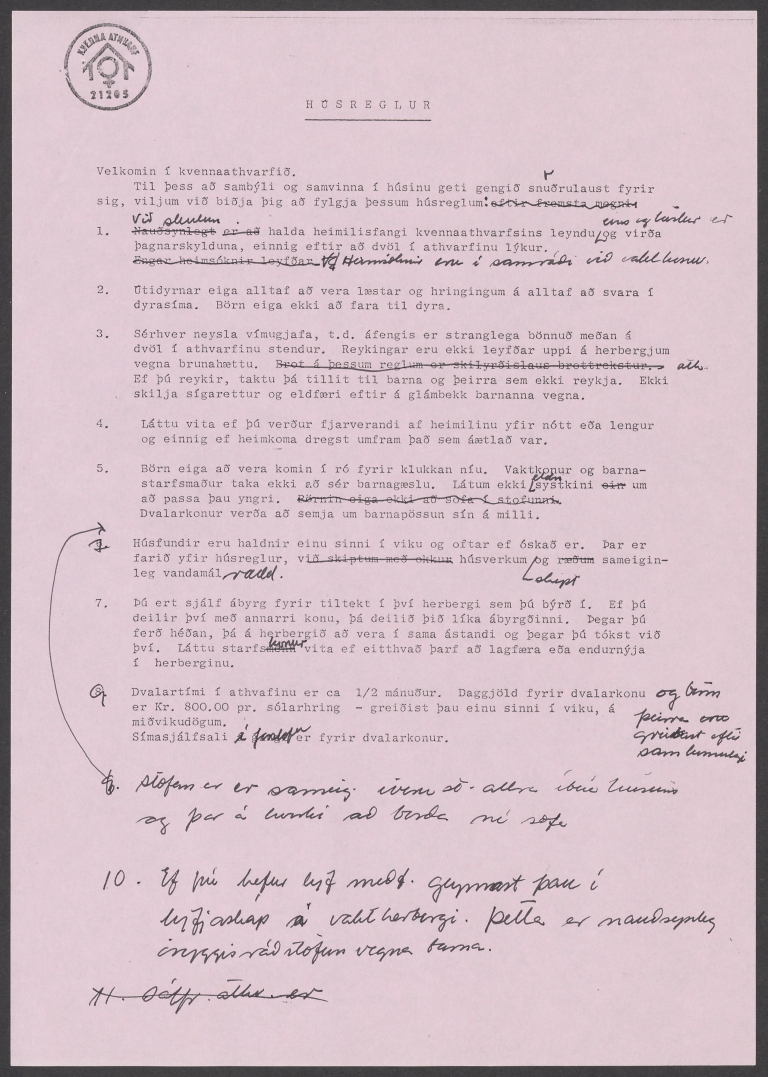

The Women’s Shelter Association was founded in the summer of 1982, when the discussion of gender-based violence had begun within the Icelandic women’s movement. Later the same year, this association opened the Women’s Shelter in Reykjavík, a refuge for women that were living under domestic violence, as well as it offered support for victims of rape and other sexual abuse.
Stígamót
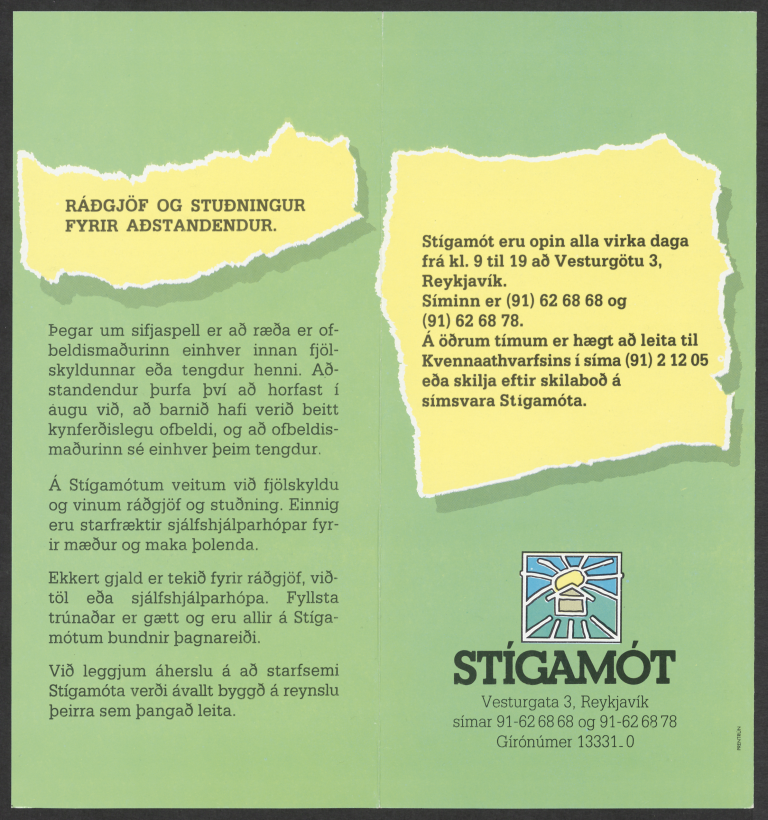
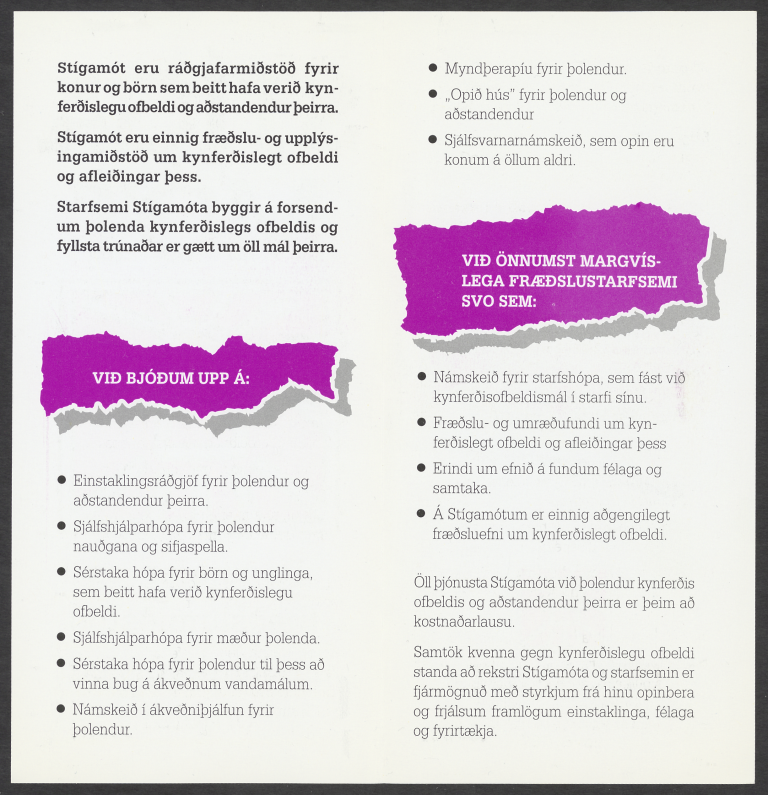

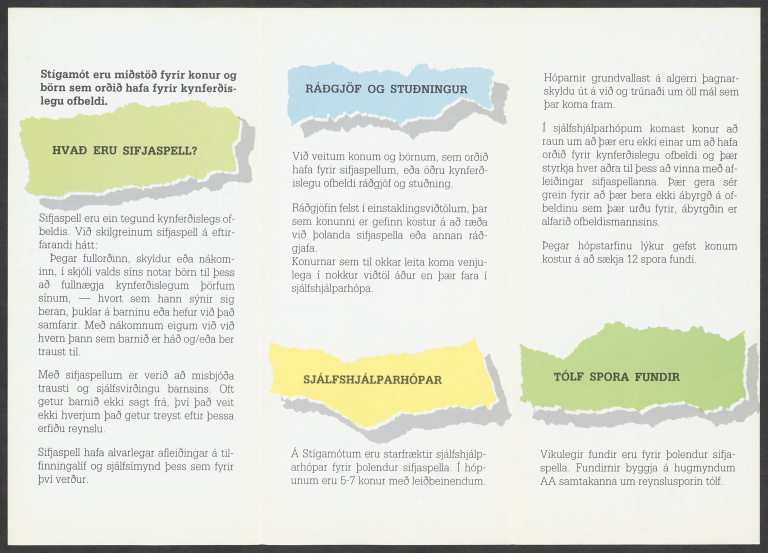
Stígamót was founded in 1990 and is a center for survivors of sexual violence, providing councelling and support. The aim of Stígamót was furthermore to increase social awareness of sexual violence.
The Women’s Sports Association
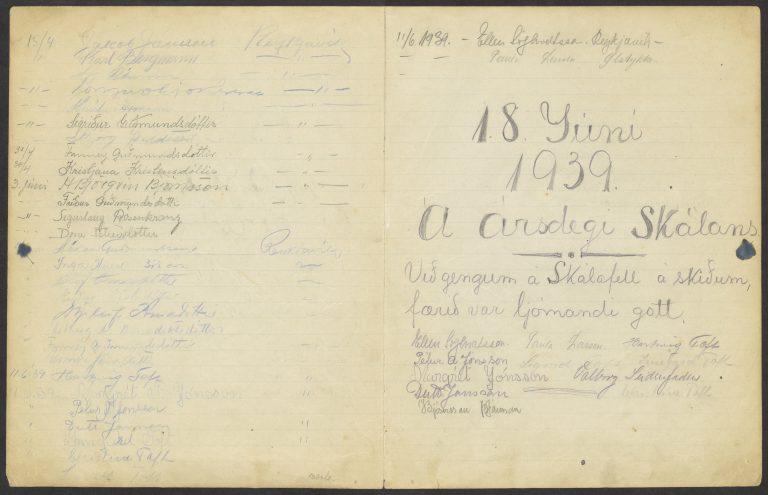
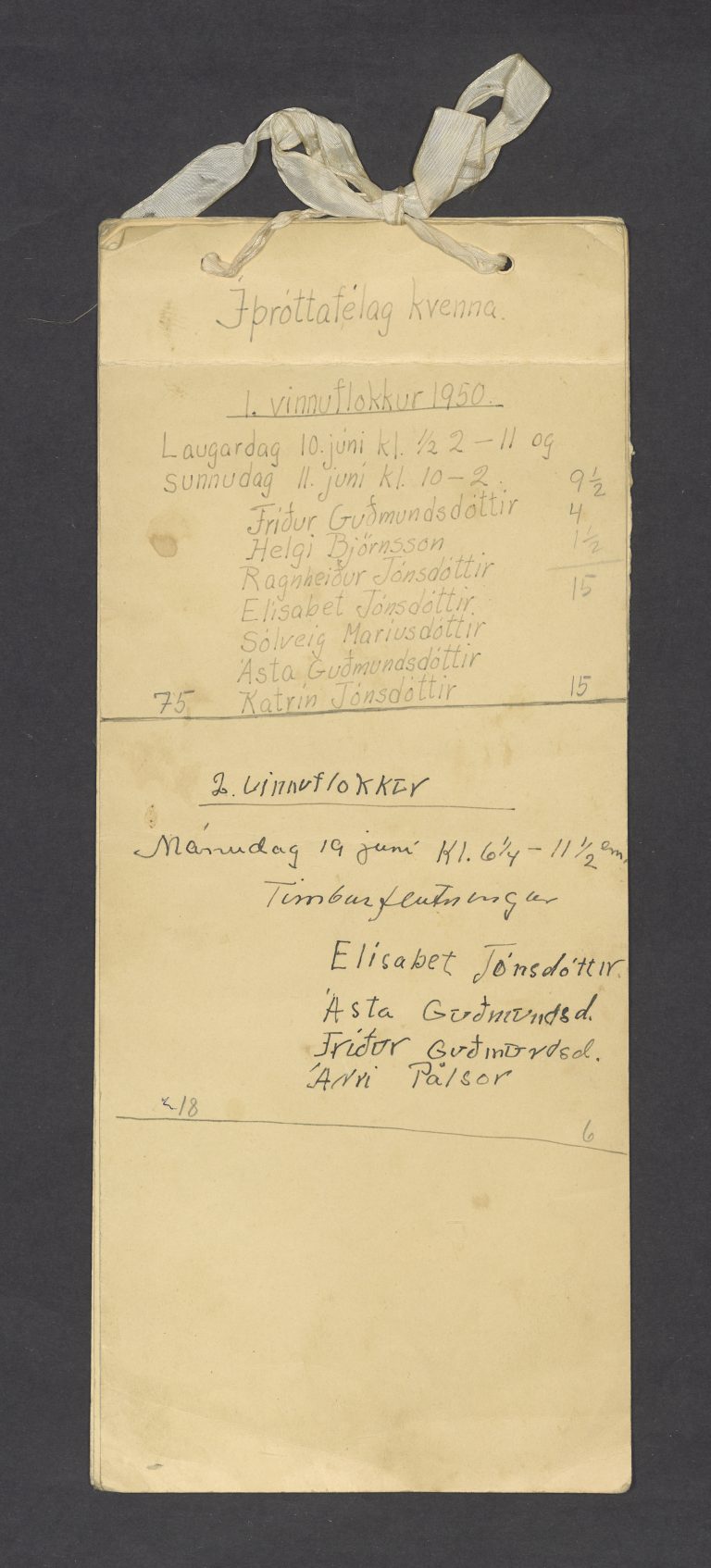
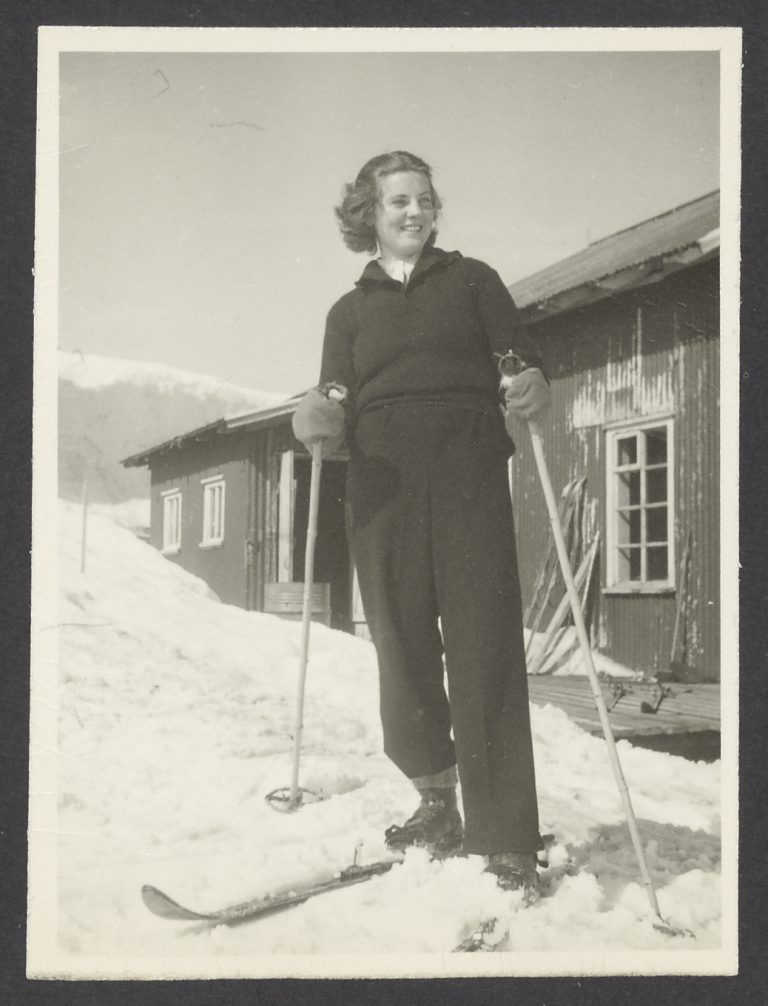
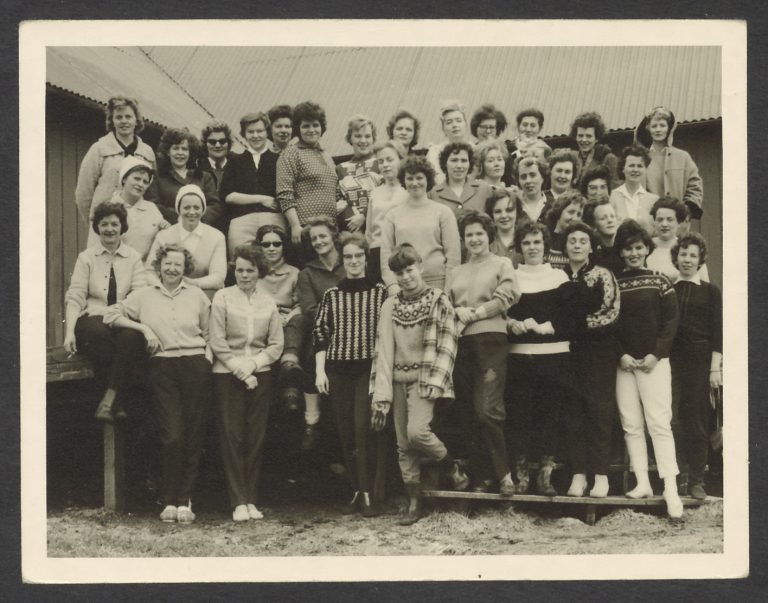
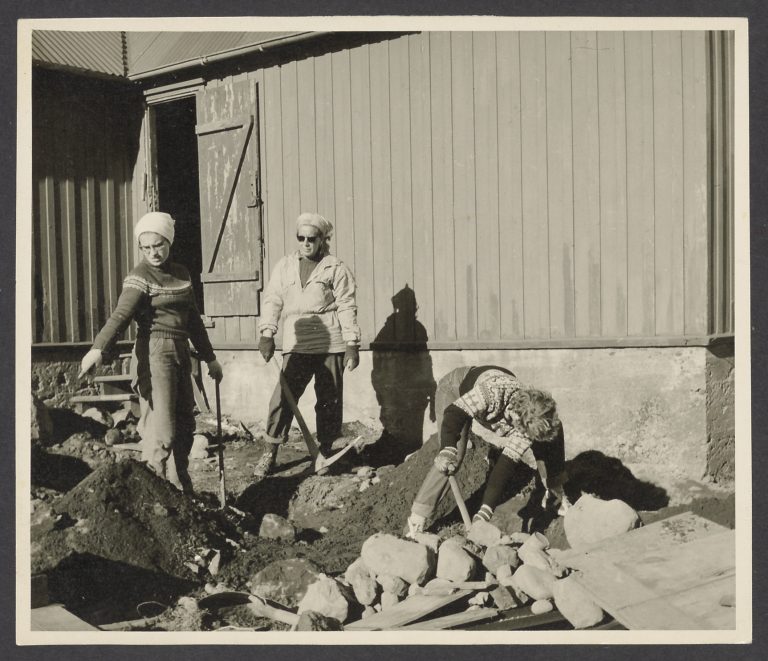
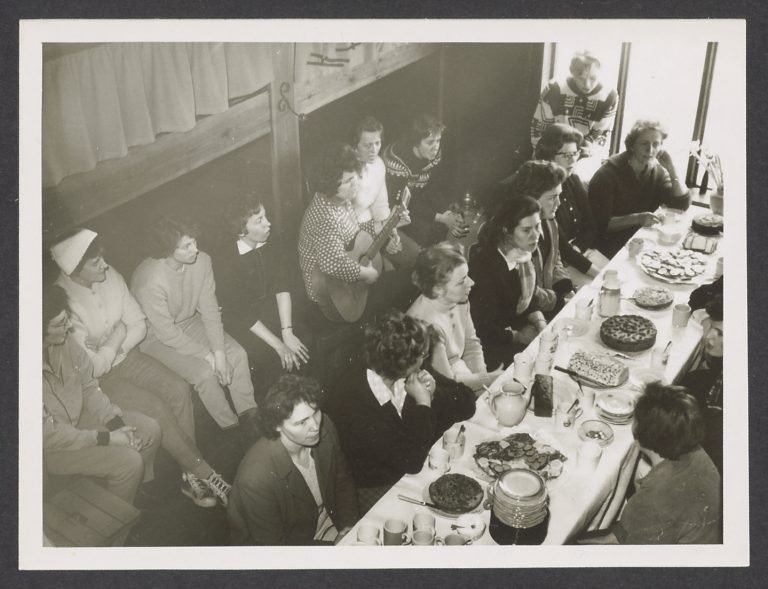
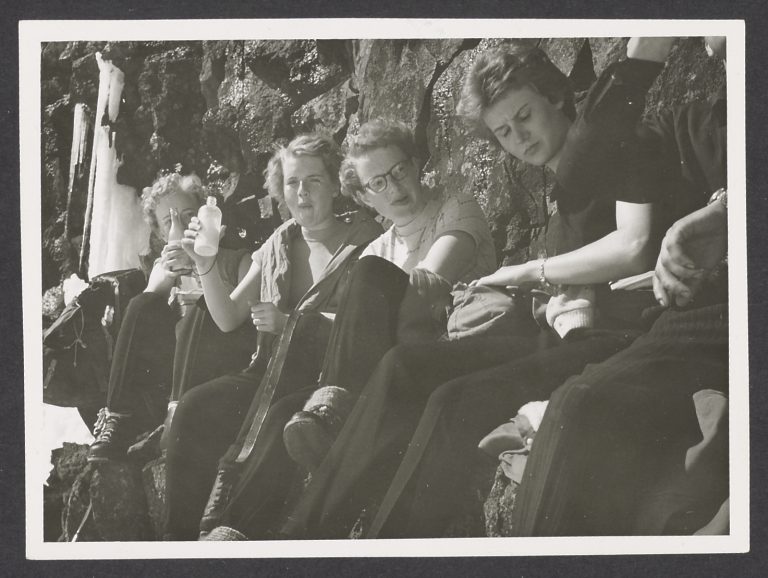
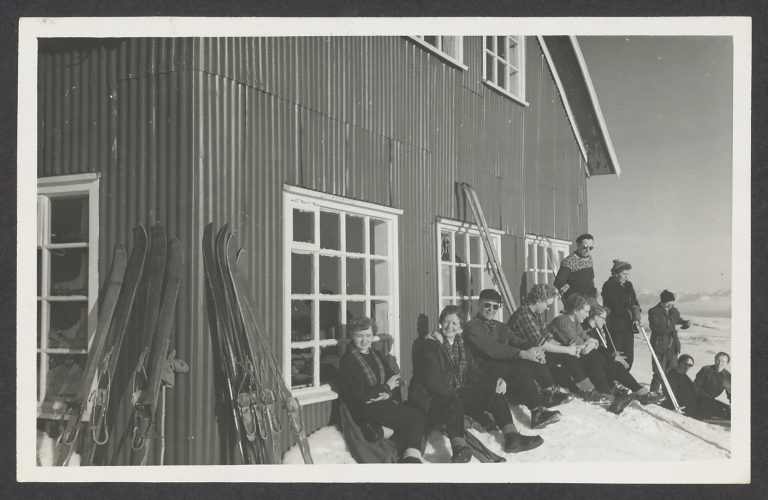
Founded in 1934. Its goal was to encourage and promote women’s participation in sports or, as stated in the club’s bylaws, to “strengthen the vigour, health, and beauty of Icelandic women.” The club organised a variety of sports activities but placed special emphasis on gymnastics and skiing. The club members undertook the construction of a ski lodge at Skálafell, which was opened in 1938.
Socialists Women’s Association
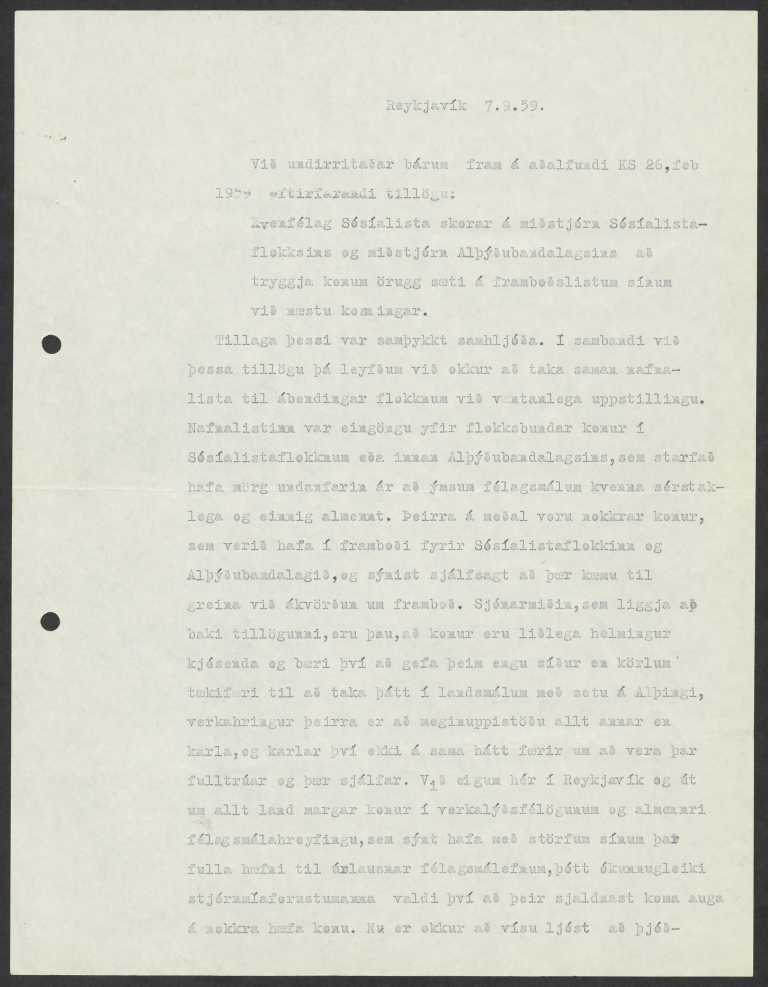
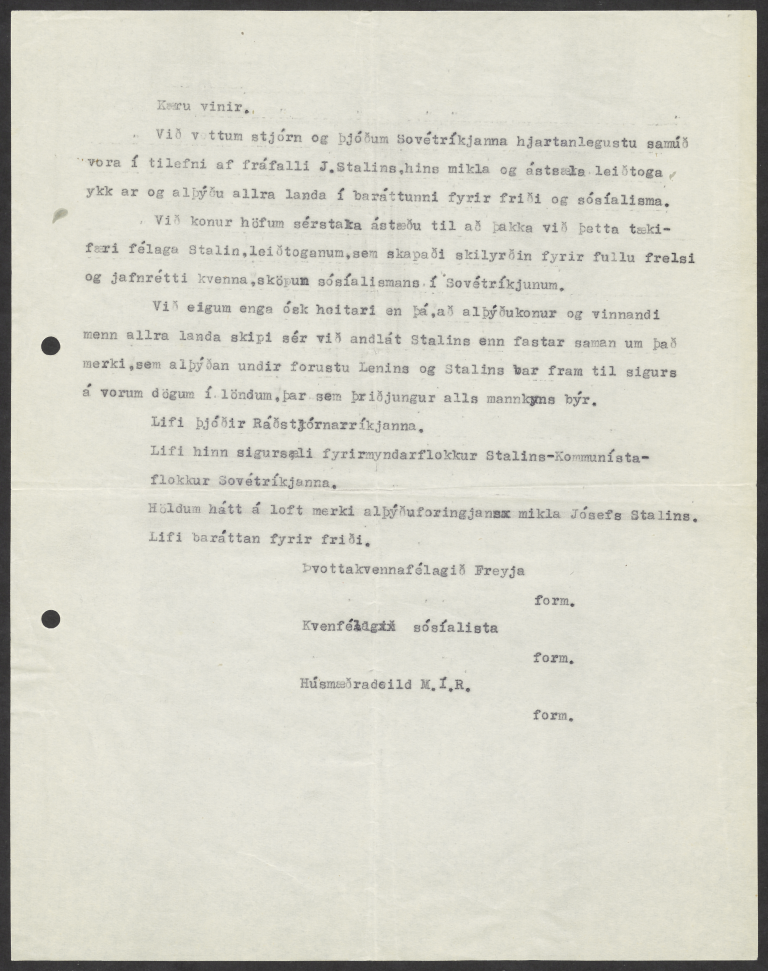
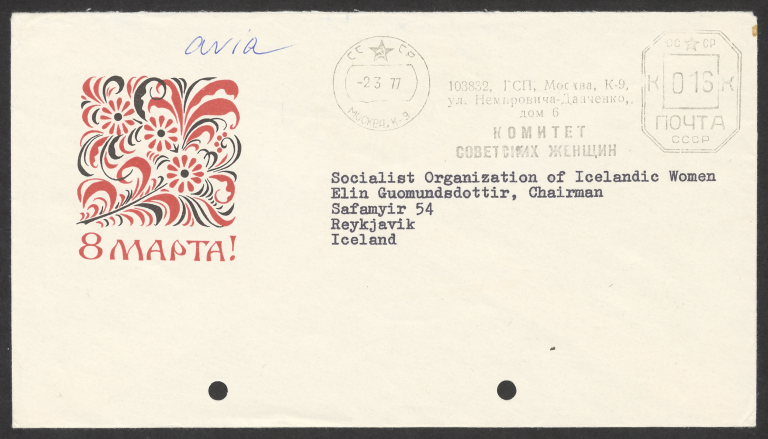
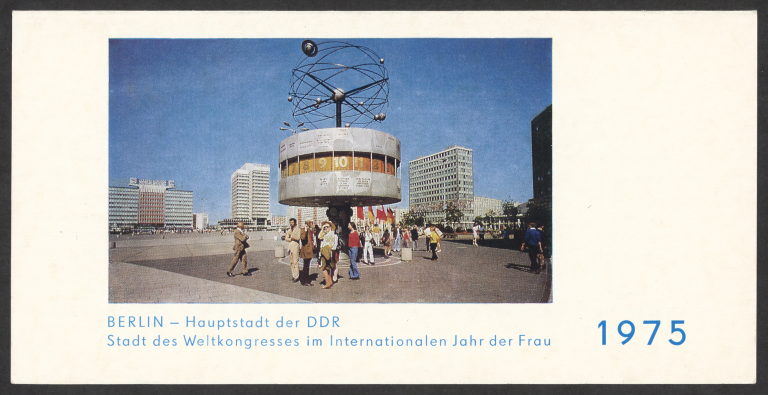
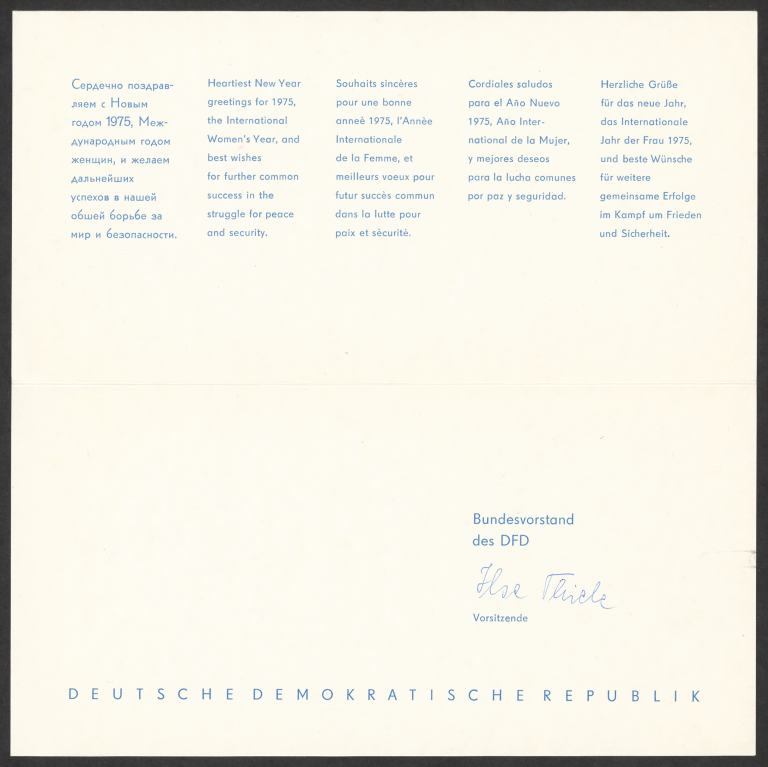
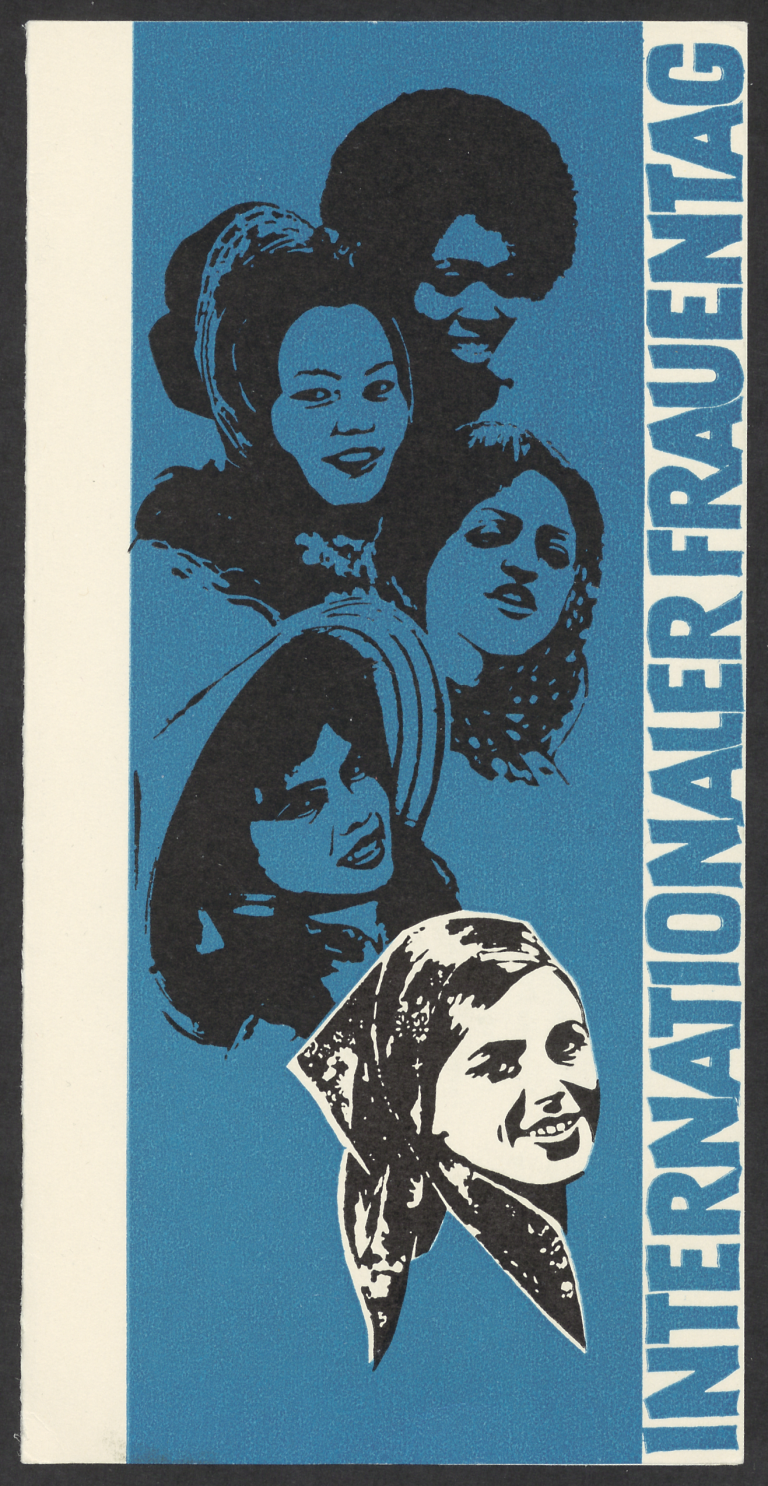
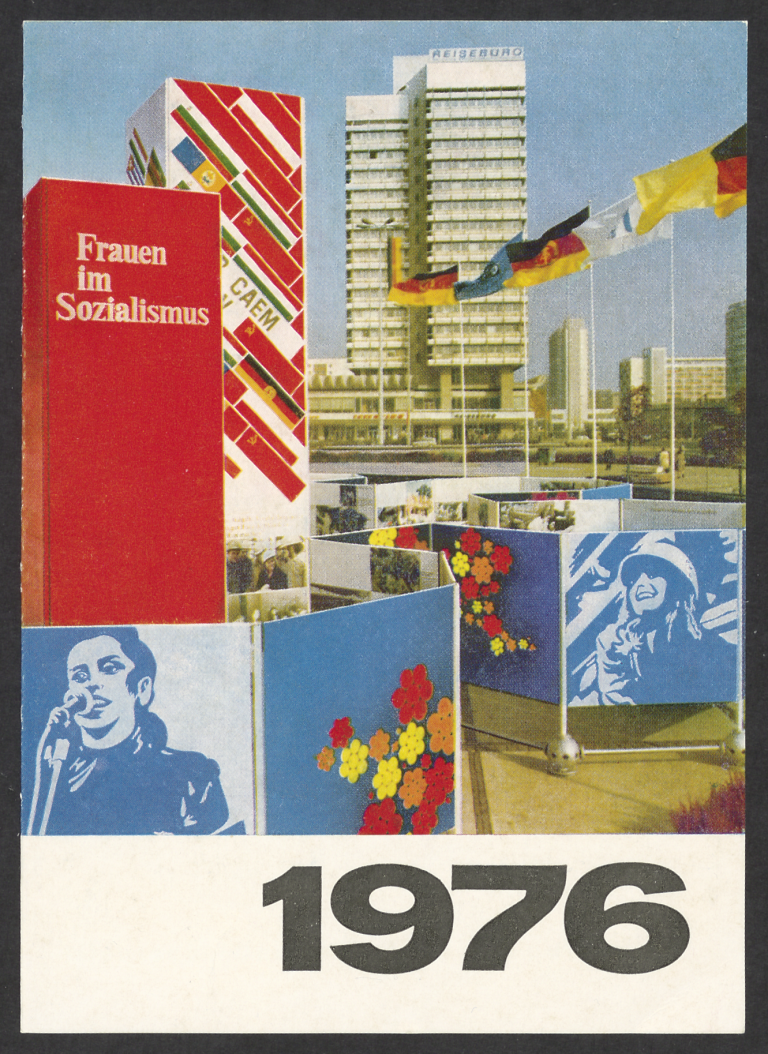
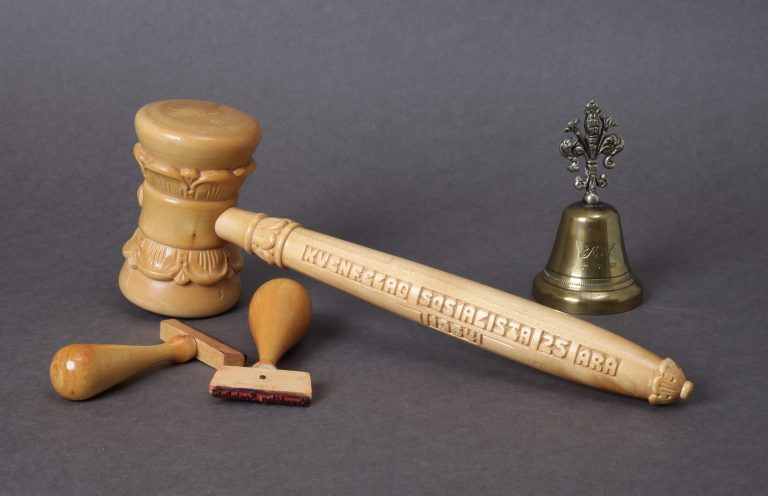
Women’s associations have operated within many Icelandic political parties. Their archives are usually included in the archives of the respective parties and are therefore not preserved at the Women’s History Archives. The exception to this is the archive of the Socialists Women’s Association, which operated in connection to the Socialist Party from 1939. The association’s goal was to introduce and communicate socialism to women, and they fought for increased female leadership within the party as well. In the 1960s, the Socialist Party merged into the People’s Alliance, but the Socialist Women’s Association continued its activities until it was dissolved in 1992.
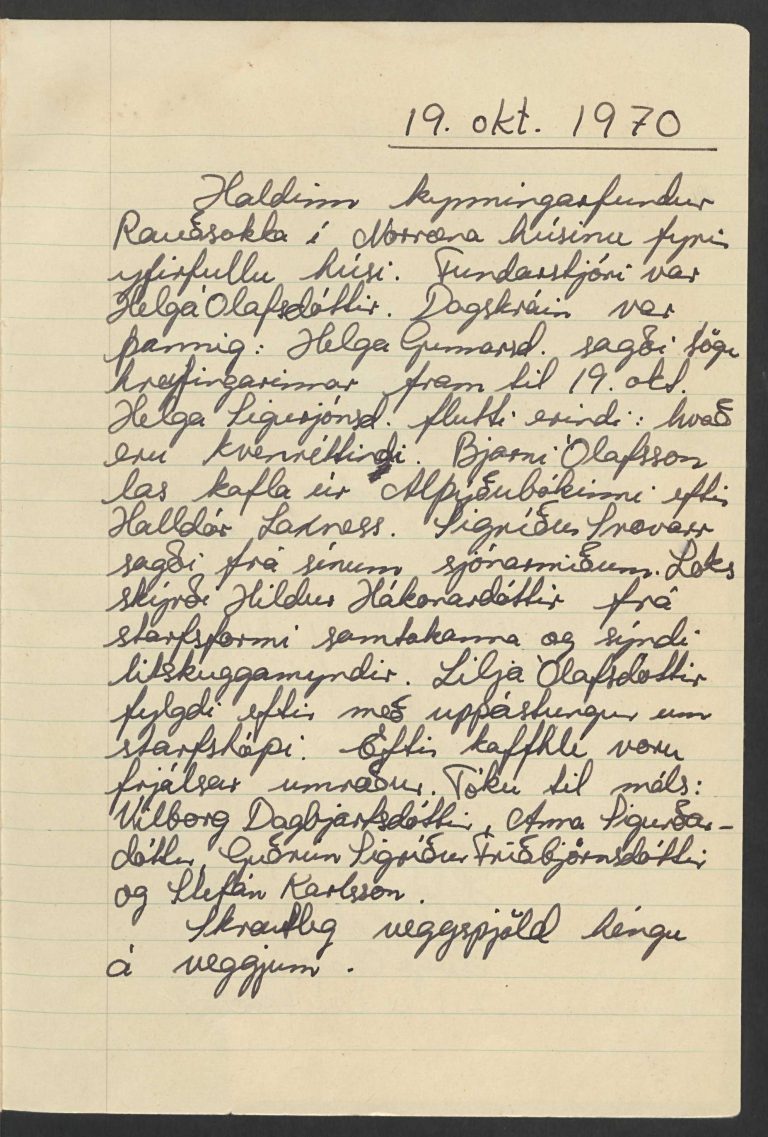
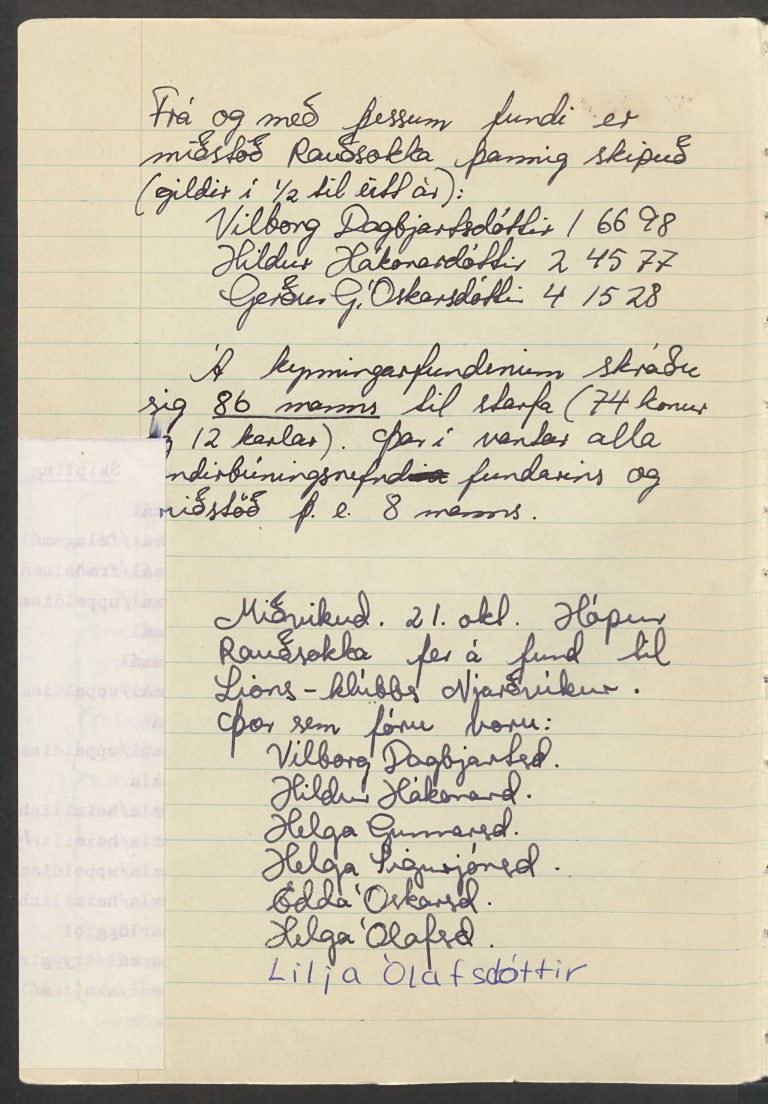
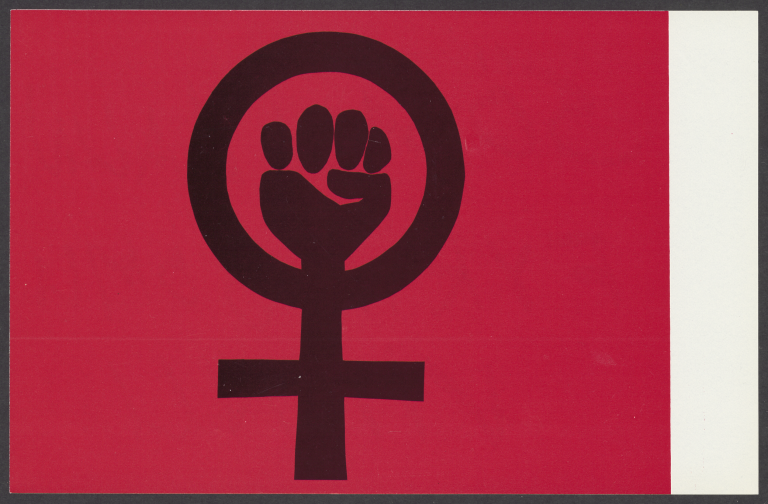
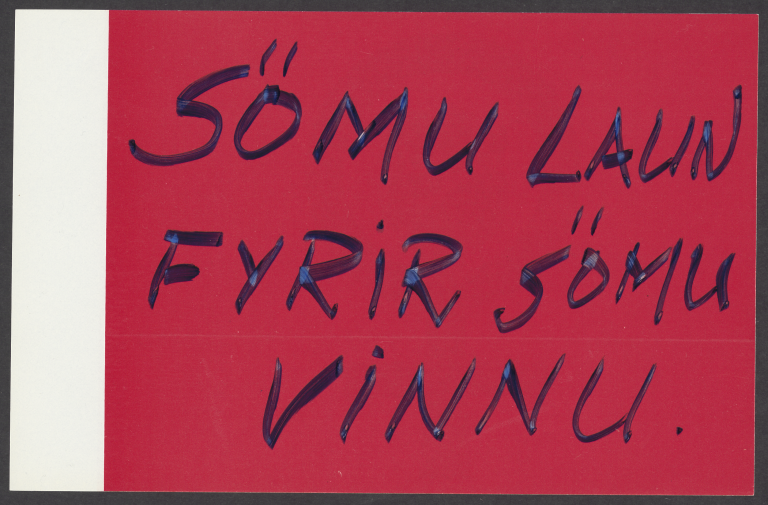
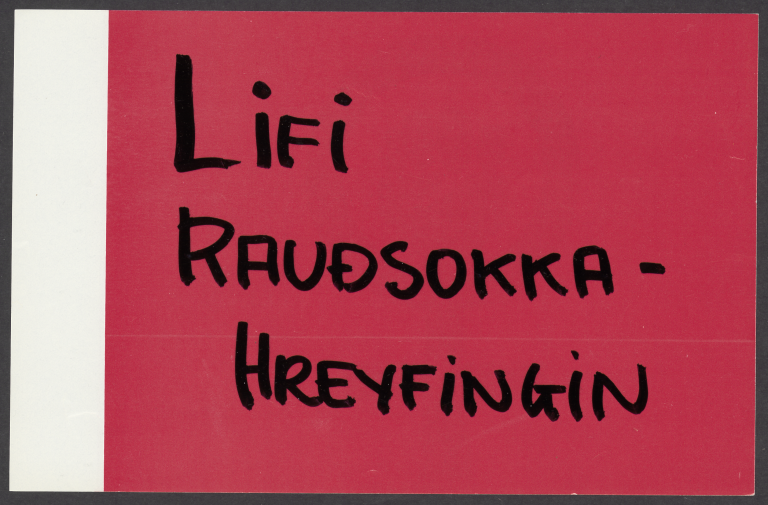
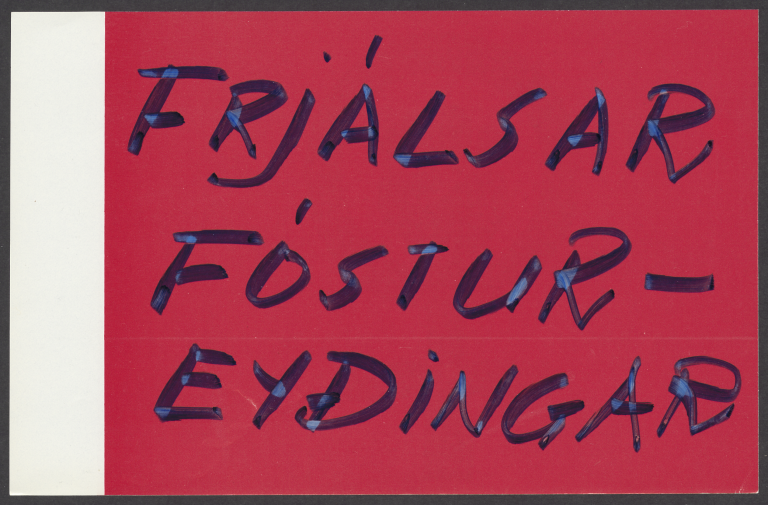
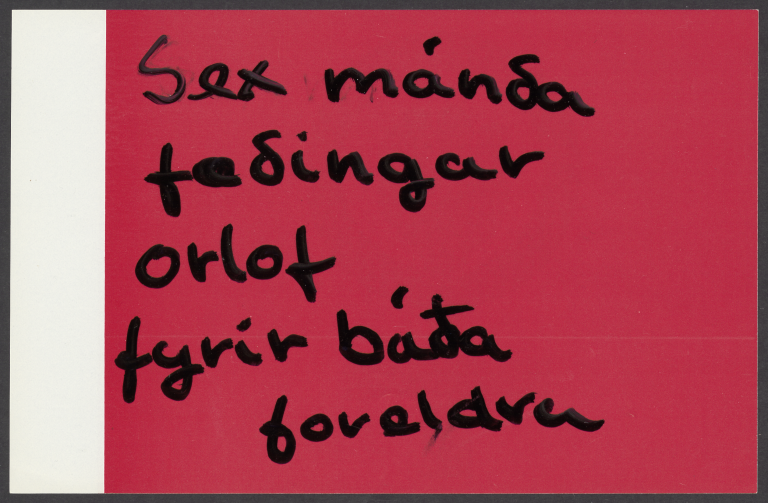
The Redstockings movement
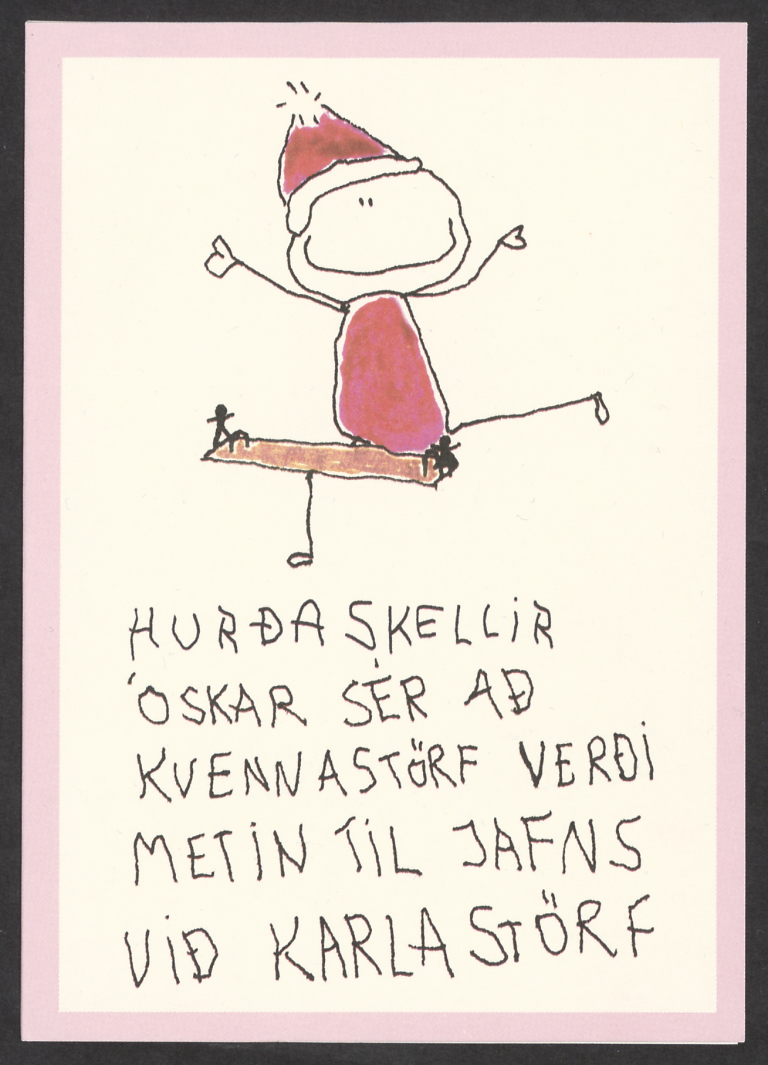
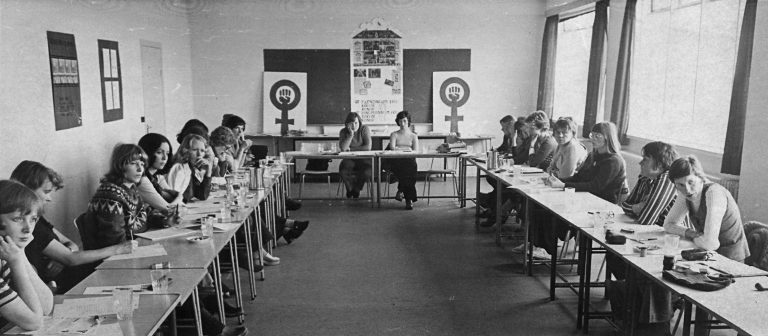
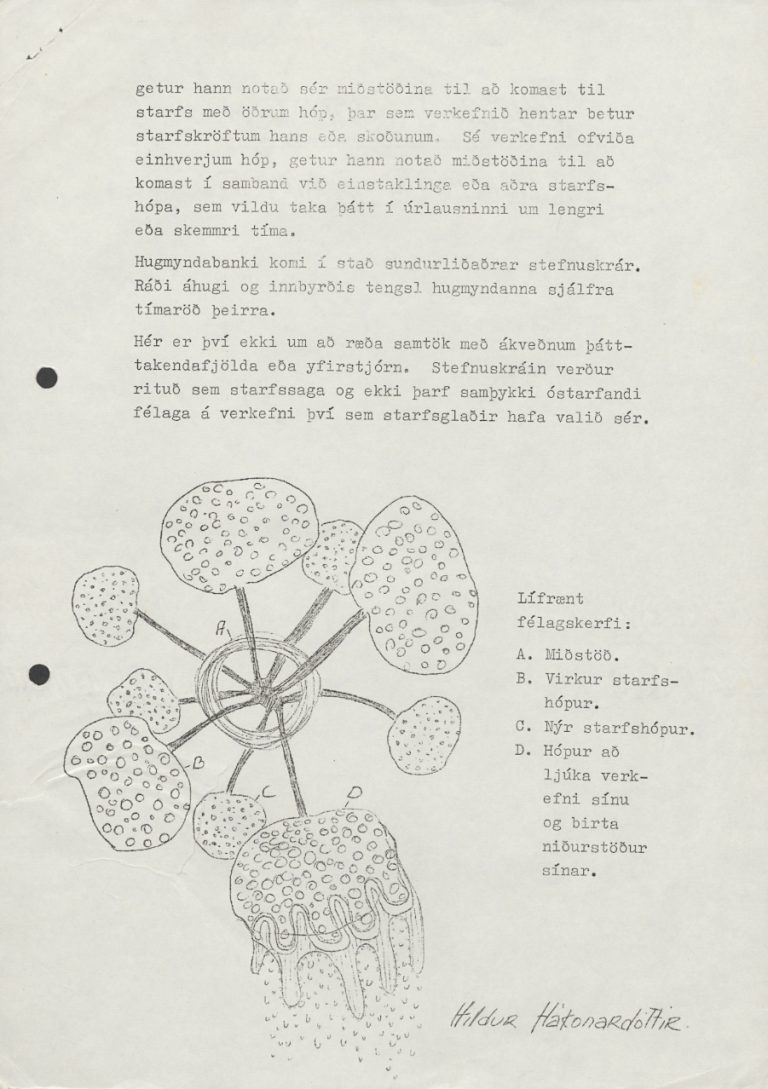
Founded in the year 1970 and was a cutting-edge group in the fight for women’s rights in Iceland in the 70s. The movement had a flat hierarchical structure which was founded in the operations of independent groups taking on diverse topics, including the gender pay gap, issues around childcare and a new legislation on abortion. The Redstockings movement often presented their cause visually and in a theatrical way, with both political art and performances.
W.O.M.E.N., the Women Of Multicultural Ethnicity Network in Iceland
The first guestbook of W.O.M.E.N., the Women Of Multicultural Ethnicity Network in Iceland, founded in 2003. This book is the first donation from W.O.M.E.N. to the Women’s History Archives, presented at the opening of the exhibition WE ARE MANY, 17th of october 2025.